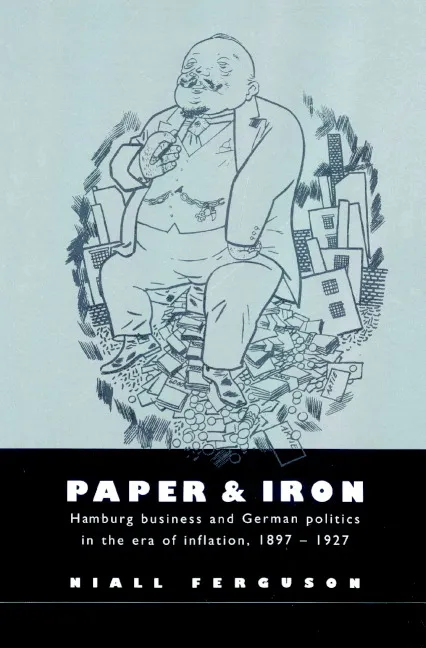
Paper and Iron
Hamburg Business and German Politics in the Era of Inflation, 1897 1927
Report an issue
Tell us what's wrong and we'll take a look.
Thanks – we got it. We'll review and follow up if needed.
Few economic events have had the impact of German hyperinflation in 1923, still remembered as a root cause of Hitler's rise to power; yet in recent years historians have defended the inflationary policies adopted after 1918. Niall Ferguson takes a different view. He argues that inflation was an economic and political disaster, and that alternative economic policies could have stabilized the German currency in 1920. To explain why these were not adopted, he points to long-term defects in the political institutions of the Reich from the 1890s. The book therefore not only reveals the Wilhelmine origins of Weimar's failure: it also casts new light on the origins of the Third Reich.
Niall Ferguson
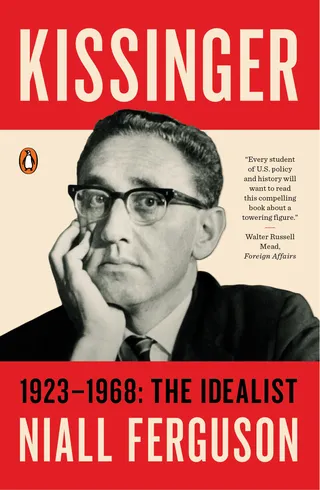
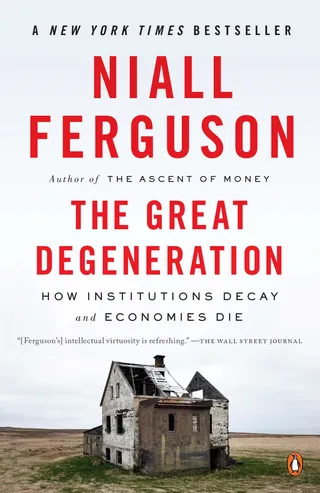
Niall Ferguson is one of Britain's most renowned historians. He is the Laurence A. Tisch Professor of History at Harvard University, a senior research fellow of the Hoover Institution, Stanford University, and a visiting professor at Tsinghua University in Beijing. He is the author of numerous books, including The Ascent of Money, a New York Times bestseller. His Kissinger, a feature-length film based on his interviews with Henry Kissinger, won the 2011 New York Film Festival prize for best documentary. His many other prizes and awards include the Benjamin Franklin Prize for Public Service, the Hayek Prize for Lifetime Achievement, and the Ludwig Erhard Prize for Economic Journalism.
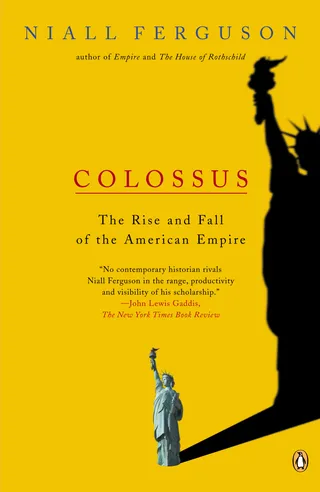
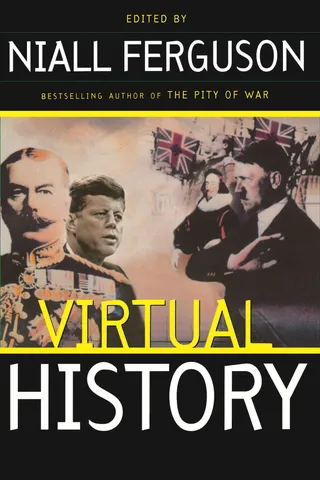
More by Niall Ferguson




Why Readwise Books?
Readwise Books is an ebook & audiobook platform that automatically logs how much you and your friends read, making it fun and easy to read more. Learn more →