Report an issue
Tell us what's wrong and we'll take a look.
Thanks – we got it. We'll review and follow up if needed.
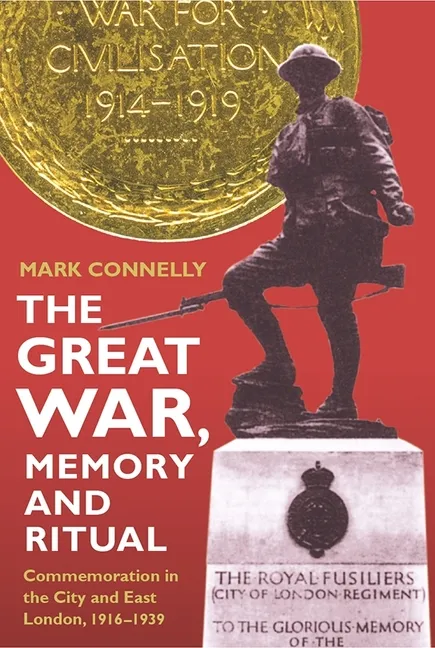
The modern idea that the Great War was regarded as a futile waste of life by British society in the disillusioned 1920s and 1930s is here called into question by Mark Connelly. Through a detailed local study of a district containing a wide variety of religious, economic and social variations, he shows how both the survivors and the bereaved came to terms with the losses and implications of the Great War. His study illustrates the ways in which communitiesas diverse as the Irish Catholics of Wapping, the Jews of Stepney and the Presbyterian ex-patriate Scots of Ilford, thanks to the actions of the local agents of authority and influence - clergymen, rabbis, councillors, teachers and employers - shaped the memory of their dead and created a very definite history of the war. Close focus on the planning of, fund-raising for, and erection of war memorials expands to a wider examination of how those memorials became a focus for a continuing need to remember, particularly each year on Armistice Day.
Mark Connelly is Professor of Modern British Military History, University of Kent.


Why Readwise Books?
Readwise Books is an ebook & audiobook platform that automatically logs how much you and your friends read, making it fun and easy to read more. Learn more →