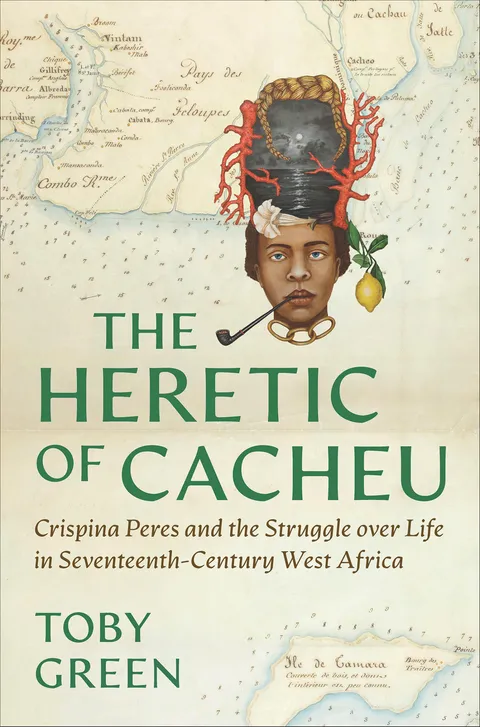
The Heretic of Cacheu
Crispina Peres and the Struggle over Life in Seventeenth-Century West Africa
Report an issue
Tell us what's wrong and we'll take a look.
Thanks – we got it. We'll review and follow up if needed.
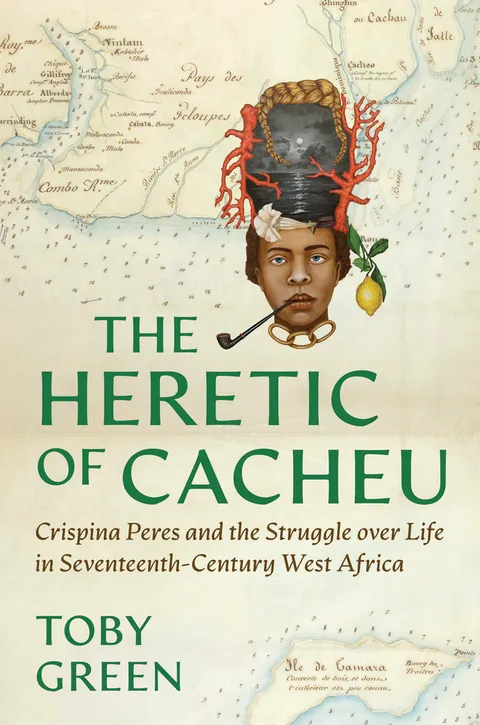
Tells the extraordinary story of seventeenth-century West African slave trader Crispina Peres to explore the shifting, sophisticated world in which she lived. In 1665, Crispina Peres, the most powerful trader in the West African slave-trafficking port of Cacheu, was arrested by the Portuguese Inquisition. Her enemies had conspired to denounce her for taking treatments prescribed by Senegambian healers, the djabakós. But who was Peres? And why was the Inquisition so concerned with policing the faith of a West African woman in today's Guinea-Bissau? In The Heretic of Cacheu, award-winning historian Toby Green takes us to the heart of this conundrum, immersing us in the atmosphere of an otherwise distant setting. We learn how people in seventeenth-century Cacheu built their houses; styled their clothes; healed themselves from illness; and worshipped, worked, and played. Green renders the haunting realities of the growing slave trade and the rise of European empires in shocking detail. By the 1650s, the relationships between Europe, West Africa, and the Americas were already old and tangled, with slaving ports, colonies, and military bases having intermingled over many generations. But Cacheu also profoundly troubled this dynamic. It was globally connected to places ranging from China and India to Brazil and Colombia, and women such as Crispina Peres ran the town and challenged the patriarchy of empire. For the first time, through surviving documents recording Peres's case, The Heretic of Cacheu lets readers experience the reality of this unique place and time through a remarkable act of historical recovery.


Why Readwise Books?
Readwise Books is an ebook & audiobook platform that automatically logs how much you and your friends read, making it fun and easy to read more. Learn more →