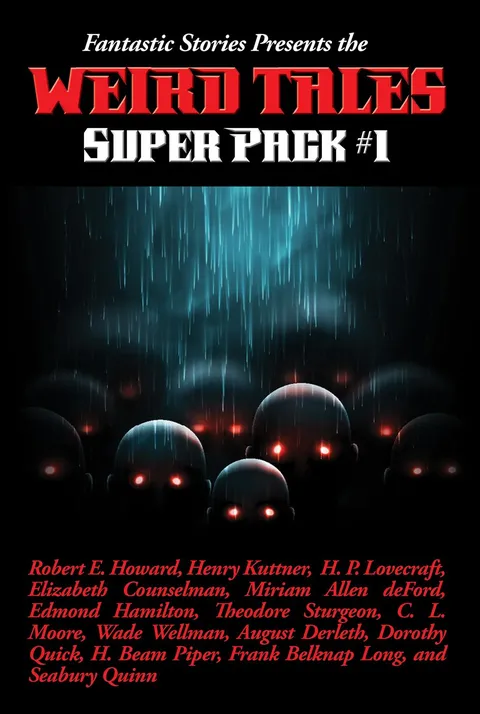
Fantastic Stories Presents the Weird Tales Super Pack #1
Report an issue
Tell us what's wrong and we'll take a look.
Thanks – we got it. We'll review and follow up if needed.
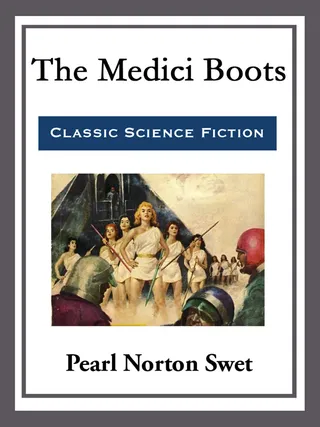
‘Weird Tales’ launched in March of 1923 and the world was never the same again. While pulp magazines had been around for some time, ‘Weird Tales’ was the first pulp magazine to specialize in supernatural fiction. ‘Weird Tales’ single-handedly created the field of genre fiction as we know it. No longer did readers of Fantasy, Science Fiction, and Horror have to seek out single stories in otherwise mundane magazines; now they had a magazine all of their own that published only the stories they wanted to read. Collected in this anthology are over two hundred thousand words and more than five hundred pages of some of the greatest stories ever published in the pages of ‘Weird Tales.’ Included are: ‘Beyond the Black River’ by Robert E. Howard; ‘The Secret of Kralitz’ by Henry Kuttner; ‘The Shunned House’ by H. P. Lovecraft; ‘Way Station’ by Mary Elizabeth Counselman; ‘Never Stop to Pat a Kitten’ by Miriam Allen deFord; ‘The Diary of Philip Westerly’ by Paul Compton; ‘The Door Into Infinity’ by Edmond Hamilton; ‘Isle of the Undead’ by Lloyd Arthur Eshbach; ‘The Perfect Host’ by Theodore Sturgeon; ‘Gainful Employment’ by Jamie Wild; ‘The Tree of Life’ by C. L. Moore; ‘Mop-Head’ by Leah Bodine Drake; ‘The Golgotha Dancers’ by Manly Wade Wellman; ‘The Medici Boots’ by Pearl Norton Swet; ‘The House in the Valley’ by August Derleth; ‘More than Shadow’ by Dorothy Quick; ‘In the Dark’ by Ronal Kayser; ‘Dearest’ by H. Beam Piper; ‘Doom of the House of Duryea’ by Earl Peirce, Jr.; ‘The Mississippi Saucer’ by Frank Belknap Long; ‘Mask of Death’ by Paul Ernst; ‘The Ring of Bastet’ by Seabury Quinn; ‘Tiger Cat’ by David H. Keller; ‘Old Mr. Wiley’ by Greye La Spina; ‘The Long Arm’ by Franz Habl; and ‘The People of the Black Circle’ by Robert E. Howard.
Robert E Howard
Robert E. Howard (1906-1936) was born and raised in rural Texas, the son of a pioneer physician. He began writing professionally at the age of fifteen and turned out dozens of tales of heroic and supernatural fantasy, featuring many memorable creations - including the character he is best remembered for: Conan of Cimmeria. These stories, mostly published in Weird Tales, won him a huge audience across the world and influenced a whole generation of writers, from Robert Jordan to Raymond E. Feist. Sadly, Howard killed himself in June 1936 when he learned that his beloved mother had fallen into a coma.
More by Robert E Howard
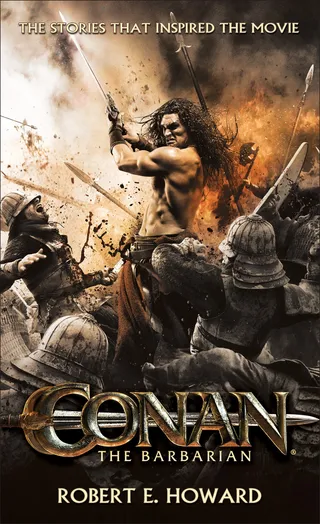
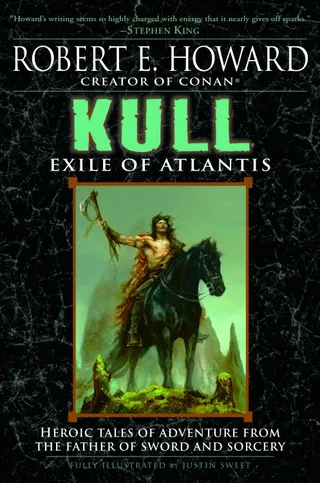
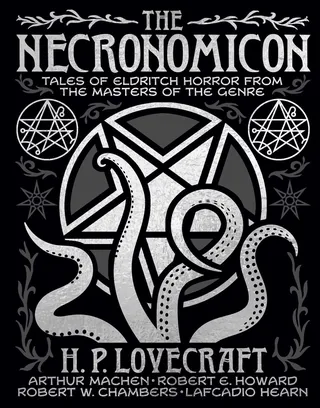

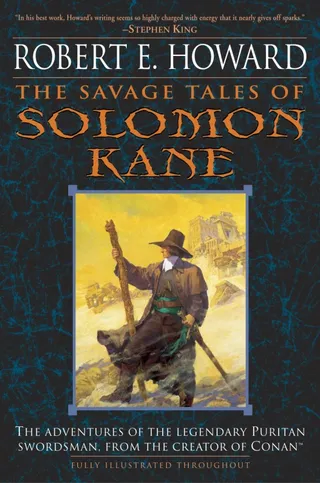

Henry Kuttner
Henry Kuttner (1915 -1958)
Henry Kuttner was born in Los Angeles, in 1915. As a young man he worked for the literary agency of his uncle, Laurence D'Orsay, before selling his first story, 'The Graveyard Rats', to Weird Tales in early 1936. In 1940 Kuttner married fellow writer C. L. Moore, whom he met through the 'Lovecraft Circle'", a group of writers and fans who corresponded with H. P. Lovecraft. During the Second World War, they were regular contributors to John W. Campbell's Astounding Science-Fiction, and collaborated for most of the 40's and 50's, publishing primarily under the pseudonyms Lewis Padgett and Lawrence O'Donnell. In 1950 he began studying at the University of Southern California, graduating in 1954. He was working towards his masters degree but died of a heart attack in 1958, before it was completed.
For more information see www.sf-encyclopedia.com/entry/kuttner_henry
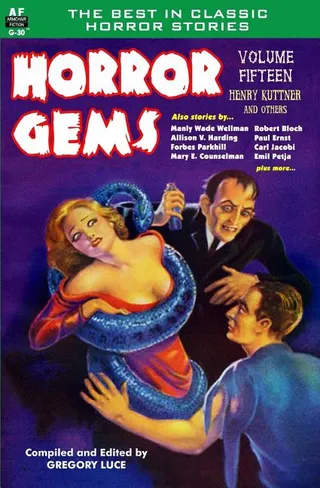
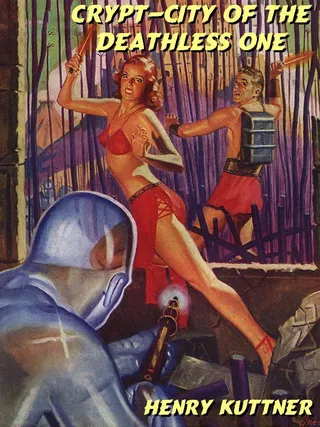
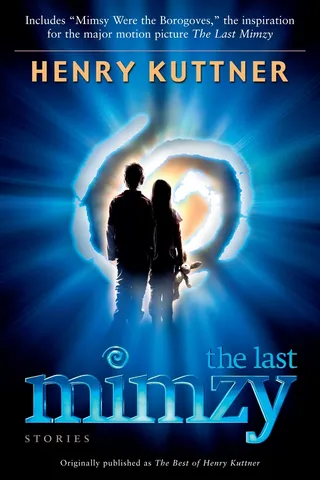
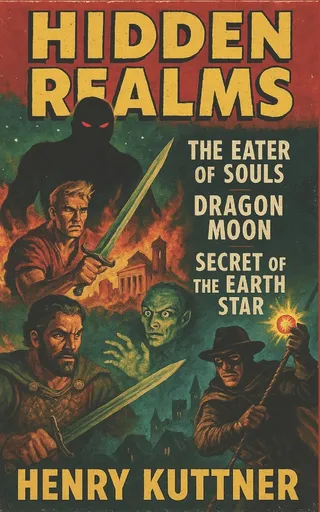
More by Henry Kuttner



















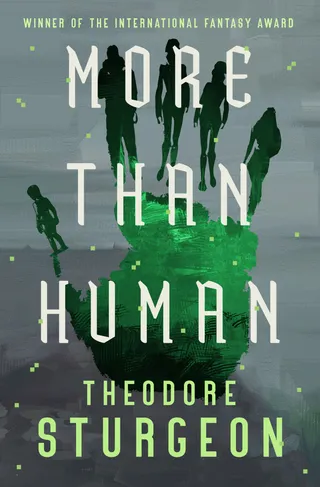
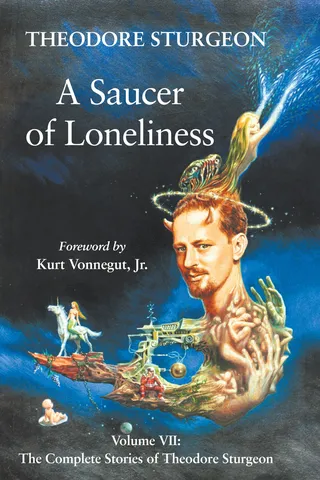
Theodore Sturgeon
Theodore Sturgeon (1918 - 1985) Theodore Sturgeon was born Edward Hamilton Waldo in New York City in 1918. Sturgeon was not a pseudonym; his name was legally changed after his parents' divorce. After selling his first SF story to Astounding in 1939, he travelled for some years, only returning in earnest in 1946. He produced a great body of acclaimed short fiction (SF's premier short story award is named in his honour) as well as a number of novels, including More Than Human, which was awarded the 1954 retro-Hugo in 2004. In addition to coining Sturgeon's Law - '90% of everything is crud' - he wrote the screenplays for seminal Star Trek episodes 'Shore Leave' and 'Amok Time', inventing the famous Vulcan mating ritual, the pon farr.
More by Theodore Sturgeon




















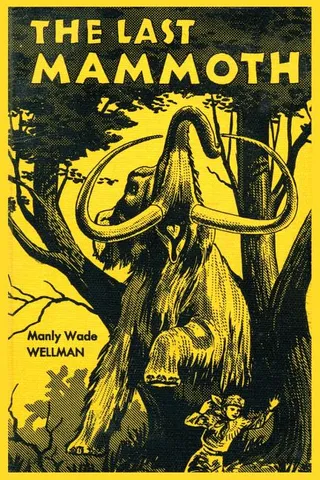
Manly Wade Wellman
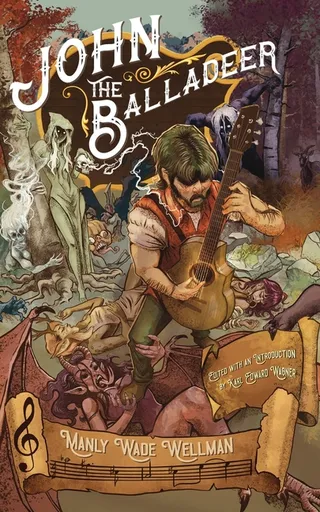
Manly Wade Wellman was an American writer of fantasy, horror, mystery, science fiction, folklore, and regional fiction. Born in Portuguese West Africa in 1903 and raised partly in the American South, Wellman developed a lifelong interest in folk traditions, legends, supernatural belief, music, and the hidden strangeness of rural places. His work appeared in many major pulp and genre magazines, including Weird Tales, where his stories helped make him one of the memorable voices of twentieth-century weird fiction.Wellman wrote across a remarkable range. He produced science fiction, detective stories, historical fiction, comic-book scripts, juvenile books, and supernatural tales, but he is especially admired for fiction rooted in Appalachian folklore and American backwoods legend. His characters include the occult investigator Judge Pursuivant, the wandering silver-stringed guitarist John, and other figures who confront ghosts, curses, monsters, and old powers lingering in the mountains and small towns of America.Wellman's best work is distinctive because it treats folklore not as decoration, but as living material. He understood the music, speech, fears, and inherited stories of regional culture, and he brought them into weird fiction with warmth, conviction, and craft. He won major genre recognition during his career and remains a key writer for readers interested in supernatural fiction that feels deeply tied to place, oral tradition, and the older shadows beneath American life.
More by Manly Wade Wellman
























Frank Belknap Long
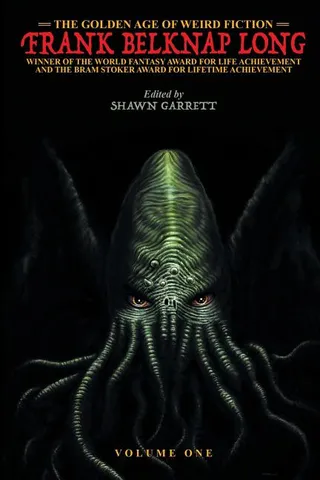
Frank Belknap Long (1901-1994) was a prolific American writer of horror fiction, fantasy, science fiction, poetry, gothic romance, comic books, and nonfiction. He received the World Fantasy Award for Life Achievement, the Bram Stoker Award for Lifetime Achievement, and the First Fandom Hall of Fame Award in 1977.
More by Frank Belknap Long






Paul Ernst
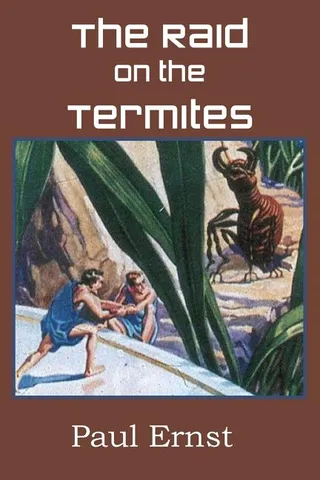
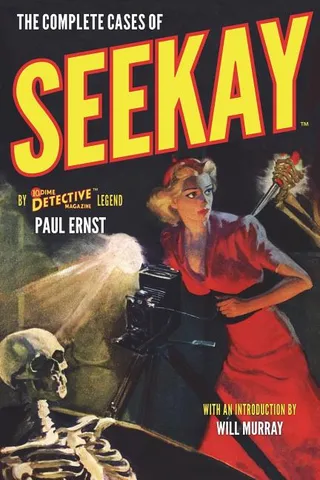
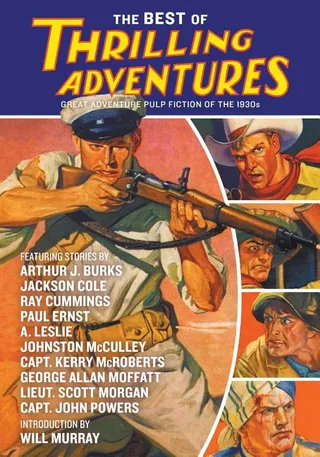
Paul Frederick Ernst (November 7, 1899 - September 21, 1985) was a pulp fiction writer from the United States. He is best known as the author of the first 24 "Avenger" novels, which were published by Street & Smith under the pen name Kenneth Robeson. Paul Ernst was born in the city of Akron, Ohio. reportedly "[took] up fiction writing in his early twenties". His writings, described as "a prolific manufacturer of potboilers-made-to-order," appeared in a number of early Science fiction and fantasy periodicals. His work appeared in Astounding Stories, Strange Tales, and Amazing, and he wrote the Doctor Satan series (8 stories in total) that ran in Weird Tales from 1935 to 1936. Between 1939 and 1942, he was most known for authoring the original 24 The Avenger stories for the namesake pulp magazine. When the work at pulp magazines dried up, Ernst "was able to make a painless transition into the more prestigious "slick" magazines, where his word skill earned him higher financial rewards." In 1971, he was "still active as a writer," having written "Blackout" for the July 1971 issue of Good Housekeeping magazine. In September 1985, he died in Pinellas County, Florida, at the age of 85.
More by Paul Ernst














Greye La Spina
Grey La Spina (1880 - 1969) was an American author of fantasy and horror fiction. She was a regular contributor to leading pulp magazines of the early twentieth century and over the course of her career wrote over one hundred pieces of fiction with her most notable works being "The Wolf of the Steppes," (1919) and the horror novel, Invaders From the Dark (1925).
More by Greye La Spina






Why Readwise Books?
Readwise Books is an ebook & audiobook platform that automatically logs how much you and your friends read, making it fun and easy to read more. Learn more →