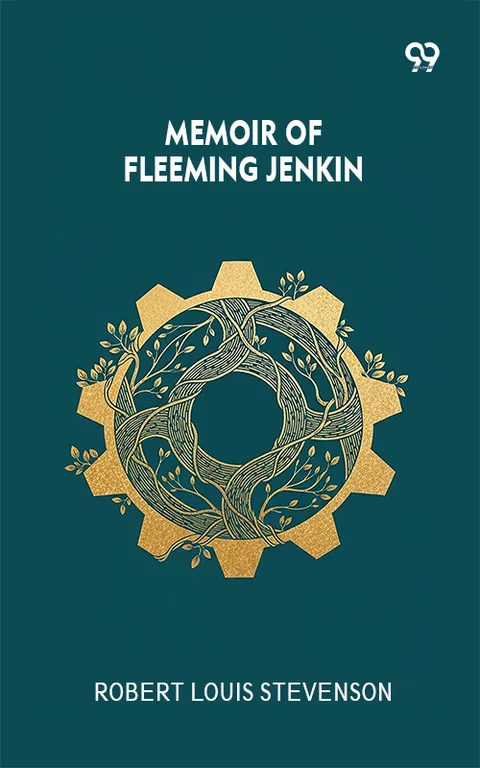
Memoir Of Fleeming Jenkin
Report an issue
Tell us what's wrong and we'll take a look.
Thanks – we got it. We'll review and follow up if needed.

Memoir of Fleeming Jenkin presents a reflective portrayal of the life and work of an influential engineer and inventor whose achievements, though not widely recognized, left a lasting impact. The narrative opens with an extensive trace of his family lineage, portraying a heritage marked by notable accomplishments and challenges. Through accounts of inherited fortunes that proved illusory and the shifting circumstances that surrounded his early years, the memoir conveys a vivid picture of a childhood shaped by both privilege and hardship. The work delves into the complexities of familial relationships and economic instability, painting a rich backdrop against which the subject's personal drive and professional ambitions developed. As the story unfolds, it captures the interplay of personal traits, environmental influences, and formative experiences that contributed to his distinctive character. Themes of resilience, ingenuity, and perseverance resonate throughout, highlighting how adversity and opportunity intertwined to define his journey in life and work.
Robert Louis Stevenson
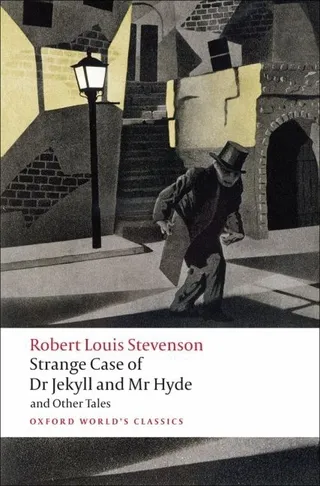
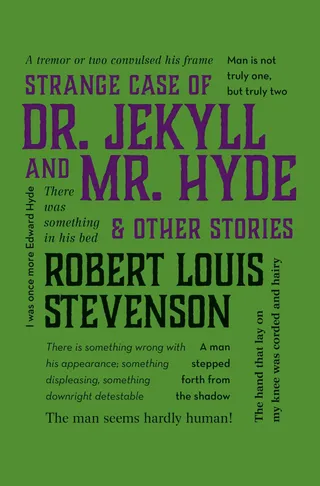
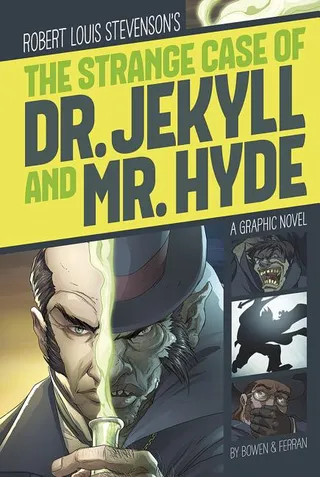
Robert Louis Stevenson was born in Edinburgh in 1850, the only son of an engineer, Thomas Stevenson. Despite a lifetime of poor health, Stevenson was a keen traveller, and his first book An Inland Voyage (1878) recounted a canoe tour of France and Belgium. In 1880, he married an American divorcee, Fanny Osbourne, and there followed Stevenson's most productive period, in which he wrote, amongst other books, Treasure Island (1883), The Strange Case of Dr Jekyll and Mr Hyde, and Kidnapped (both 1886). In 1888, Stevenson left Britain in search of a more salubrious climate, settling in Samoa, where he died in 1894.
More by Robert Louis Stevenson





Why Readwise Books?
Readwise Books is an ebook & audiobook platform that automatically logs how much you and your friends read, making it fun and easy to read more. Learn more →