Report an issue
Tell us what's wrong and we'll take a look.
Thanks – we got it. We'll review and follow up if needed.
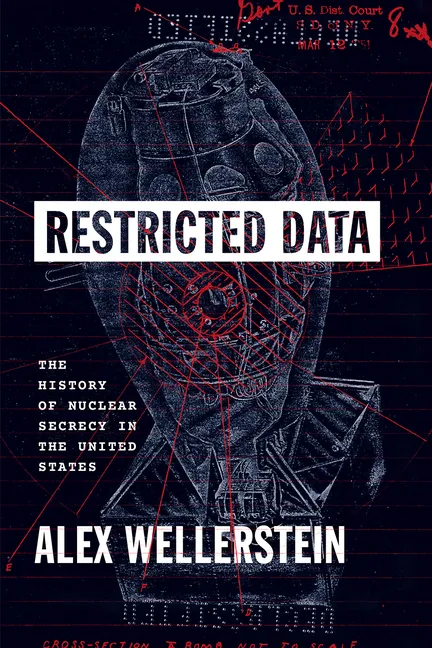
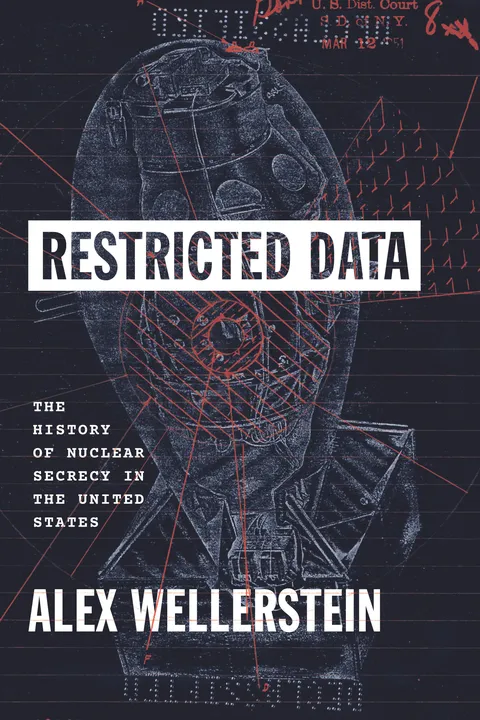
"Groundbreaking . . . Wellerstein peels back the layers of the nuclear onion to reveal a rich debate about what should be kept secret and why." —Nature The first full history of US nuclear secrecy, from its origins in the late 1930s to our post–Cold War present. The American atomic bomb was born in secrecy. From the moment scientists first conceived of its possibility to the bombings of Hiroshima and Nagasaki and beyond, there were efforts to control the spread of nuclear information and the newly discovered scientific facts that made such powerful weapons possible. The totalizing scientific secrecy that the atomic bomb appeared to demand was new, unusual, and very nearly unprecedented. It was foreign to American science and American democracy—and potentially incompatible with both. From the beginning, this secrecy was controversial, and it was always contested. The atomic bomb was not merely the application of science to war, but the result of decades of investment in scientific education, infrastructure, and global collaboration. If secrecy became the norm, how would science survive? Drawing on troves of declassified files, including records released by the government for the first time through the author's efforts, Restricted Data traces the complex evolution of the US nuclear secrecy regime from the first whisper of the atomic bomb through the mounting tensions of the Cold War and into the early twenty-first century. A compelling history of powerful ideas at war, it tells a story that feels distinctly American: rich, sprawling, and built on the conflict between high-minded idealism and ugly, fearful power. "Wellerstein examines the health of democracy in the face of big science, big government, and big weapons." ―Science
Alex Wellerstein
Alex Wellerstein is an Associate Professor in the Science and Technology Studies program at the Stevens Institute of Technology and a visiting researcher at the Nuclear Knowledges program, Center for International Studies, Sciences Po, Paris. He is the author of Restricted Data: The History of Nuclear Secrecy in the United States, and he has written for The New Yorker, Atlantic, Harper’s Magazine, and many other venues. He is perhaps best known as the creator of the NUKEMAP, the world’s most popular online nuclear weapons effects simulator. He is also the author of the Doomsday Machines blog, and he has taught at Harvard, MIT, and Georgetown University.
More by Alex Wellerstein


Why Readwise Books?
Readwise Books is an ebook & audiobook platform that automatically logs how much you and your friends read, making it fun and easy to read more. Learn more →