Propaganda
Report an issue
Tell us what's wrong and we'll take a look.
Thanks – we got it. We'll review and follow up if needed.
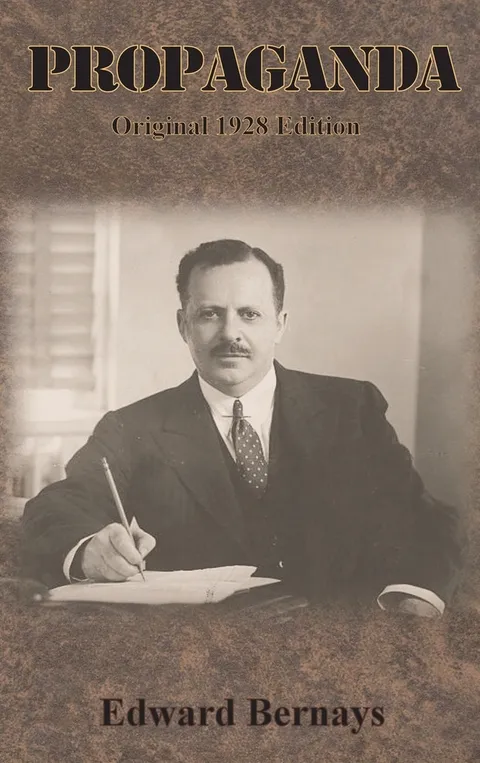
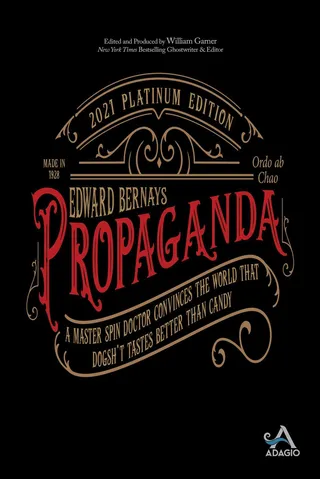
Propaganda incorporates the literature from social science and psychological manipulation into an examination of the techniques of public communication. Bernays wrote the book in response to the success of some of his earlier works such as Crystallizing Public Opinion (1923) and A Public Relations Counsel (1927). Propaganda explored the psychology behind manipulating masses and the ability to use symbolic action and propaganda to influence politics, effect social change, and lobby for gender and racial equality. This work propelled Bernays into media historians' view of him as the "father of public relations."
Edward L. Bernays
Edward L. Bernays (1891–1995) is commonly referred to as the father of public relations. Born in Vienna, Austria, and a nephew of Sigmund Freud, Bernays moved to the United States as a young child. His belief that popular opinion could and should be manipulated led him to create psychological and sociological techniques that allowed businesses, industries, and even governments to influence the public. Lucky Strike, the Waldorf Astoria, General Motors, General Electric, and Ivory soap numbered among his illustrious clients. Woodrow Wilson even hired Bernays to promote the American efforts in World War I. Famous for popularizing the use of the press release and developing memorable campaigns, Bernays is responsible for creating the field of public relations as we know it.
More by Edward L. Bernays





Why Readwise Books?
Readwise Books is an ebook & audiobook platform that automatically logs how much you and your friends read, making it fun and easy to read more. Learn more →