Report an issue
Tell us what's wrong and we'll take a look.
Thanks – we got it. We'll review and follow up if needed.
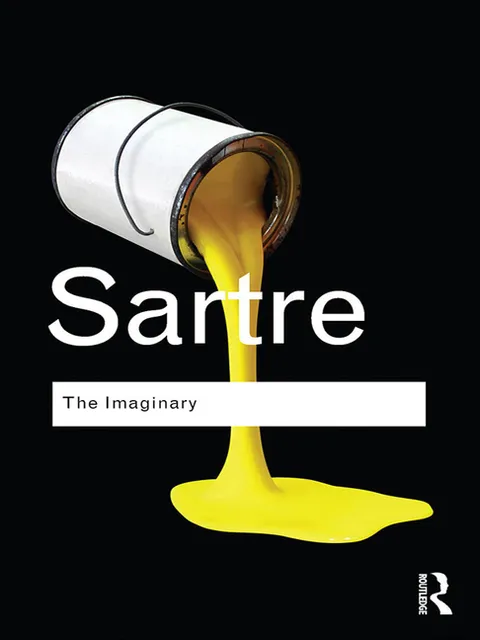
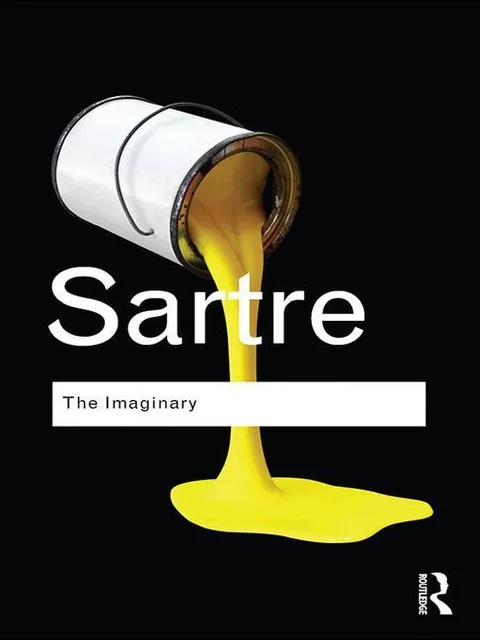
A cornerstone of Sartre's philosophy, The Imaginary was first published in 1940. Sartre had become acquainted with the philosophy of Edmund Husserl in Berlin and was fascinated by his idea of the 'intentionality of consciousness' as a key to the puzzle of existence. Against this background, The Imaginary crystallized Sartre's worldview and artistic vision. The book is an extended examination of the concepts of nothingness and freedom, both of which are derived from the ability of consciousness to imagine objects both as they are and as they are not - ideas that would drive Sartre's existentialism and entire theory of human freedom.
Jean-Paul Sartre
Jean-Paul Sartre was a philosopher, novelist, public intellectual, biographer, playwright and founder of the journal Les Temps modernes. Born in Paris in 1905, Sartre was awarded the Nobel Prize for Literature in 1964 - and turned it down. His books include Nausea, Intimacy, The Flies, No Exit, The Freud Scenario, War Diaries, Critique of Dialectical Reason, and the monumental treatise Being and Nothingness. He died in 1980.
More by Jean-Paul Sartre




Why Readwise Books?
Readwise Books is an ebook & audiobook platform that automatically logs how much you and your friends read, making it fun and easy to read more. Learn more →