Philosophy of Biology
Report an issue
Tell us what's wrong and we'll take a look.
Thanks – we got it. We'll review and follow up if needed.
An essential introduction to the philosophy of biology
This is a concise, comprehensive, and accessible introduction to the philosophy of biology written by a leading authority on the subject. Geared to philosophers, biologists, and students of both, the book provides sophisticated and innovative coverage of the central topics and many of the latest developments in the field. Emphasizing connections between biological theories and other areas of philosophy, and carefully explaining both philosophical and biological terms, Peter Godfrey-Smith discusses the relation between philosophy and science; examines the role of laws, mechanistic explanation, and idealized models in biological theories; describes evolution by natural selection; and assesses attempts to extend Darwin's mechanism to explain changes in ideas, culture, and other phenomena. Further topics include functions and teleology, individuality and organisms, species, the tree of life, and human nature. The book closes with detailed, cutting-edge treatments of the evolution of cooperation, of information in biology, and of the role of communication in living systems at all scales.
Authoritative and up-to-date, this is an essential guide for anyone interested in the important philosophical issues raised by the biological sciences.
Peter Godfrey-Smith
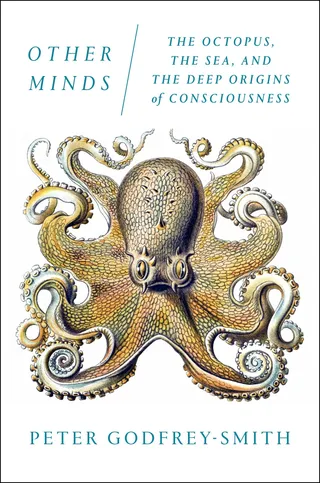
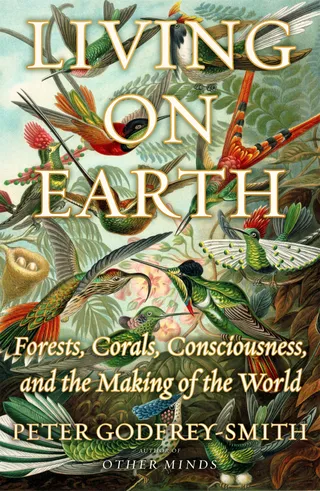
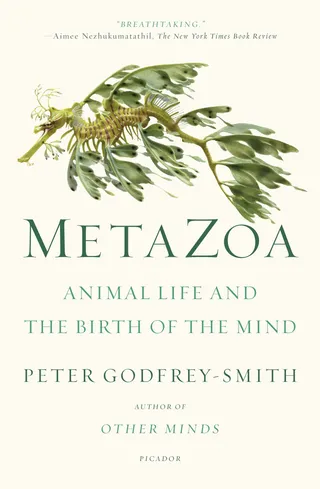
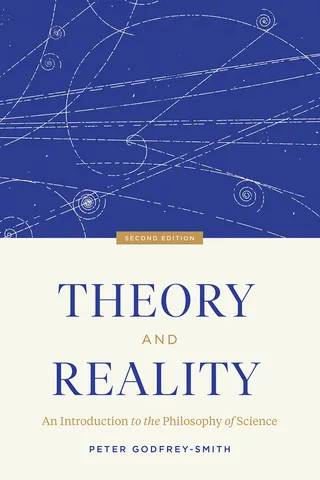
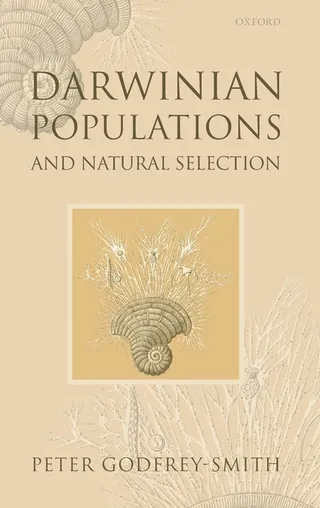
Peter Godfrey-Smith is the author of the bestselling Other Minds: The Octopus, the Sea, and the Deep Origins of Consciousness, which has been published in more than twenty languages, and Metazoa: Animal Life and the Birth of the Mind. His other books include Theory and Reality: An Introduction to the Philosophy of Science and Darwinian Populations and Natural Selection, which won the 2010 Lakatos Award. He is a professor in the School of History and Philosophy of Science at the University of Sydney.
More by Peter Godfrey-Smith








Why Readwise Books?
Readwise Books is an ebook & audiobook platform that automatically logs how much you and your friends read, making it fun and easy to read more. Learn more →