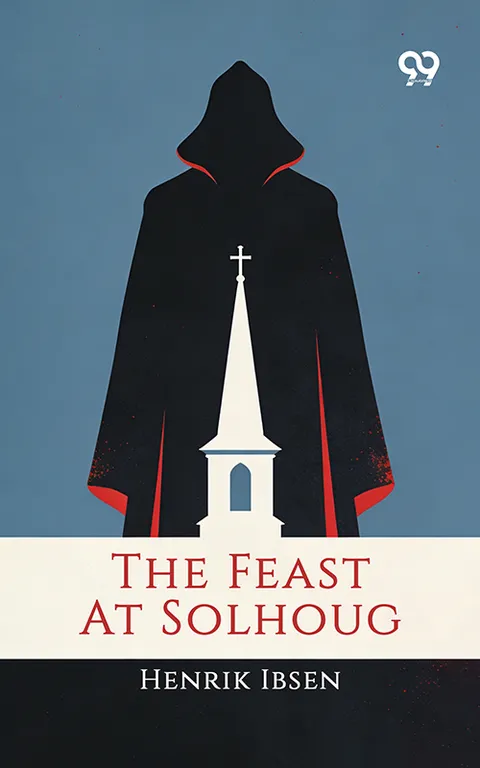
The Feast At Solhoug
Report an issue
Tell us what's wrong and we'll take a look.
Thanks – we got it. We'll review and follow up if needed.
The feast at solhoug is a 19th century Scandinavian drama that blends romance, folklore, and moral conflict within a medieval-inspired setting. It is important as an early work that reflects the development of poetic drama and explores emotional intensity through themes of love, regret, and fate. The narrative unfolds during a festive gathering that masks deeper tensions among those present. At its core lies a struggle between past desire and present obligation, as unresolved emotions resurface and disrupt established relationships. The arrival of a figure tied to earlier affections introduces conflict, challenging loyalty, trust, and personal integrity. The story examines how longing for an alternate life can lead to dangerous choices, especially when influenced by jealousy and ambition. Contrasting personalities reveal differing responses to love and duty, highlighting innocence, manipulation, and sacrifice. As external pressures grow, including the threat of authority and social consequences, the atmosphere becomes increasingly tense, leading to irreversible outcomes. The poetic style enhances the emotional depth, drawing from traditional Scandinavian influences and ballad-like storytelling. The work stands out as a romantic tragedy that captures the complexities of human desire and the consequences of choices shaped by passion and regret.
Henrik Ibsen
Henrik Ibsen (1828-1906) has been described as 'the father of modern theatre'. Most of his early plays were traditional historical dramas. After 'Peer Gynt', a fairy-tale fantasy in verse, Ibsen wrote the rest of his plays in prose, and came to be regarded as the great Naturalist dramatist.
More by Henrik Ibsen



Why Readwise Books?
Readwise Books is an ebook & audiobook platform that automatically logs how much you and your friends read, making it fun and easy to read more. Learn more →