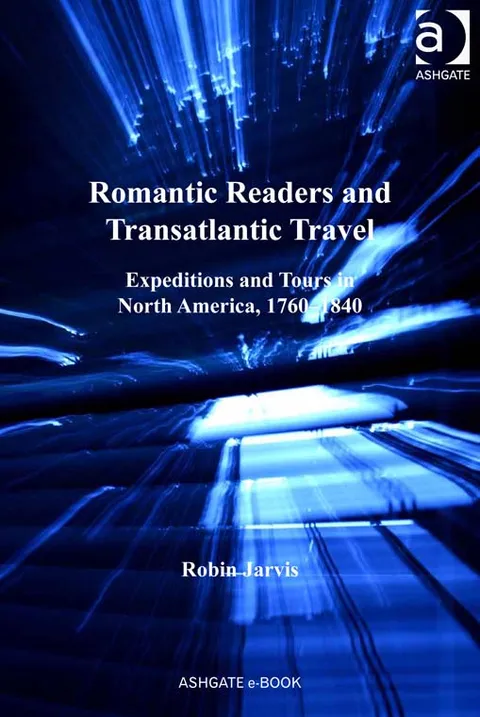
Romantic Readers and Transatlantic Travel
Expeditions and Tours in North America, 1760–1840
Report an issue
Tell us what's wrong and we'll take a look.
Thanks – we got it. We'll review and follow up if needed.
Why and how did people read literature on North America by explorers, travellers, emigrants, and tourists? This is the central question Robin Jarvis takes up as he addresses a significant gap in scholarship on travel writing: its contemporary reception. Referencing reviews in the periodical press, personal journals, letters, autobiographies, marginalia, and bibliographical evidence relating to the production, distribution, and reception of travel literature, Jarvis focuses especially on the ideas and perceptions of North America expressed by individuals who never visited the subcontinent. Among the issues Jarvis explores are what the British reception of North American travel narratives says about the ways in which the United States was imagined in the Romantic period; how poets such as Samuel Taylor Coleridge, Felicia Hemans, Robert Southey, and William Wordsworth, all voracious travel readers, incorporated their readings of travel books into their works; and the ways in which the reception of North American travel writing should be contextualized within the broader contours of British society and culture. Significantly, Jarvis differentiates between different communities of readers to show the extent to which class or professional status affected the way travel literature was read. Of equally crucial importance, he discusses the reception of travel literature on Canada and the Arctic as distinct from that on the United States. His book constitutes the most thorough exploration to date of the private reading experiences of travel literature during the Romantic period.
Robin Jarvis
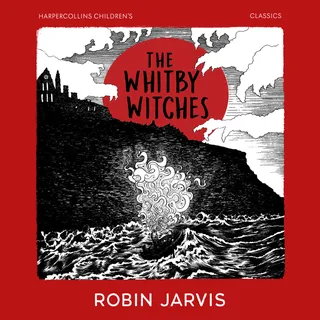
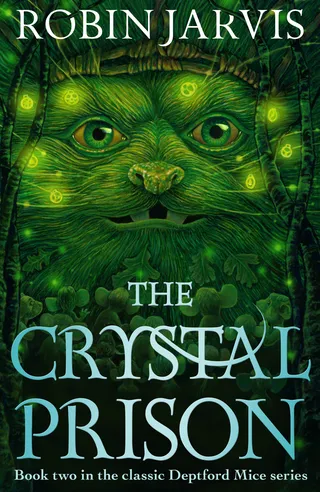
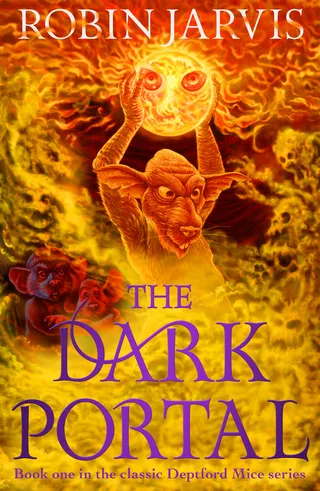
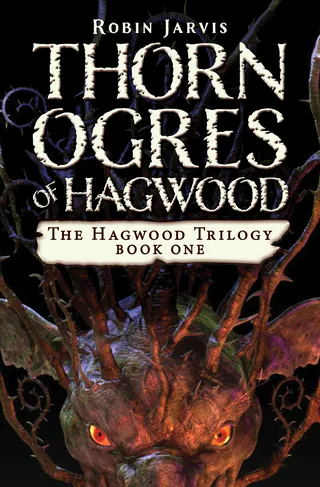
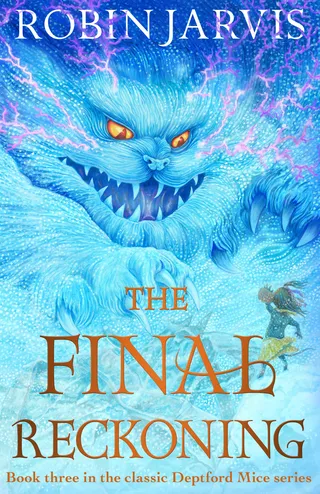
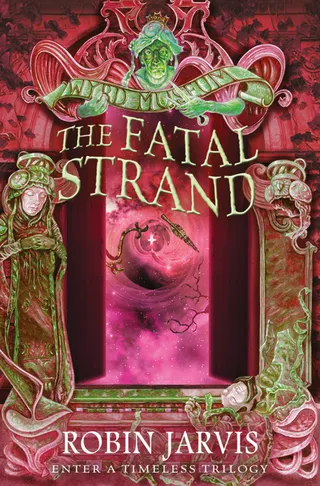
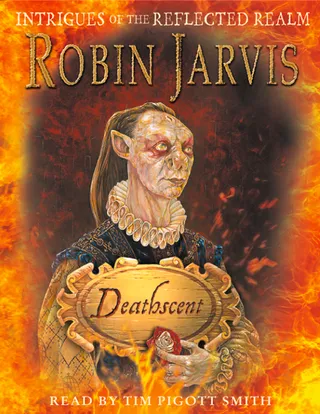
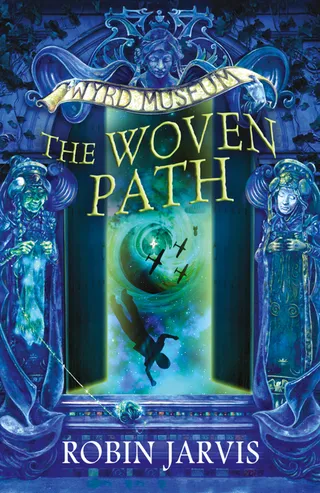
Robin Jarvis (b. 1963) spent most of his school years in art rooms. After a degree course in graphic design, he worked in television, making models and puppets. One evening, while doodling, he began inventing names and stories for his drawings, and thus began his writing career. His first book, The Depford Mice (1989), established Jarvis as a bestselling children’s author. Jarvis came up with the story for Thorn Ogres of Hagwood while on a forest hike, when he heard a racket up in the trees and saw two squirrels chasing each other. He suddenly thought that perhaps only one of them was a real squirrel and the other an imposter, and so the werling creatures were born. Jarvis has been shortlisted for numerous awards, and won the Lancashire Libraries Children’s Book of the Year Award. One of his trilogies, Tales from the Wyrd Museum, was on a list of books recommended by then–British Prime Minister Tony Blair for dads to read with their sons. He lives in Greenwich, London, and still makes model monsters, mostly on the computer.
More by Robin Jarvis


Why Readwise Books?
Readwise Books is an ebook & audiobook platform that automatically logs how much you and your friends read, making it fun and easy to read more. Learn more →