The Sagebrusher
Report an issue
Tell us what's wrong and we'll take a look.
Thanks – we got it. We'll review and follow up if needed.
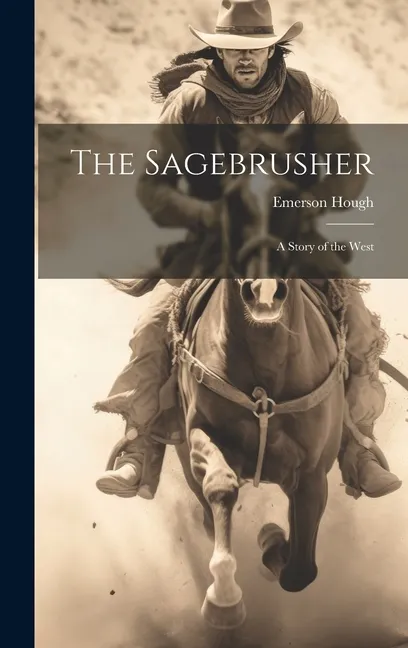
Sim, said Wid Gardner, as he cast a frowning glance around him, "take it one way with another, and I expect this is a leetle the dirtiest place in the Two-Forks Valley." The man accosted did no more than turn a mild blue eye toward the speaker and resume his whittling. He smiled faintly, with a sort of apology, as the other went on. "I'll say more'n that, Sim. It's the blamedest, dirtiest hole in the whole state of Montany-yes, or in the whole wide world. Lookit!" He swept a hand around, indicating the interior of the single-room log cabin in which they sat.
Emerson Hough
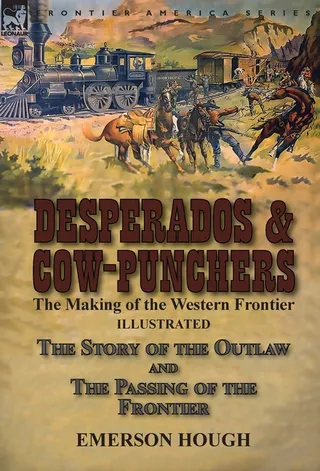
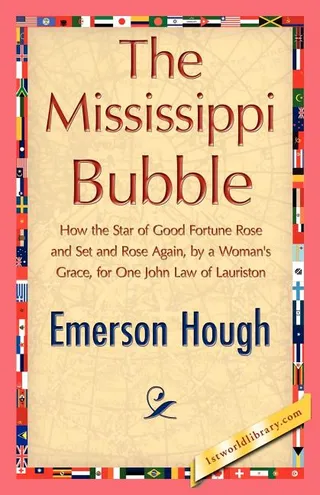
American writer Emerson Hough (1857 1923) was well-known for his large body of historical writing, essays, and novels, especially in the western fiction genre. Hough, who was born in Newton, Iowa, on June 28, 1857, was greatly impacted by the American West's scenery and people. He briefly practiced law after earning his law degree from the University of Iowa in 1880 before deciding to become a writer. Hough's early western-themed writings, such as "The Story of the Cowboy" (1897), launched his literary career and solidified his status as a western fiction author. His books "The Mississippi Bubble" (1902) and "The Covered Wagon" (1922), the latter of which was made into a popular silent film, won him significant praise. Hough wrote on the spirit of exploration, adventure, and hardy individuality of the American frontier throughout his life. His writings contributed to the romanticization of the West in American literature by frequently capturing the struggles and victories of settlers, cowboys, and pioneers.
More by Emerson Hough



Why Readwise Books?
Readwise Books is an ebook & audiobook platform that automatically logs how much you and your friends read, making it fun and easy to read more. Learn more →