Report an issue
Tell us what's wrong and we'll take a look.
Thanks – we got it. We'll review and follow up if needed.
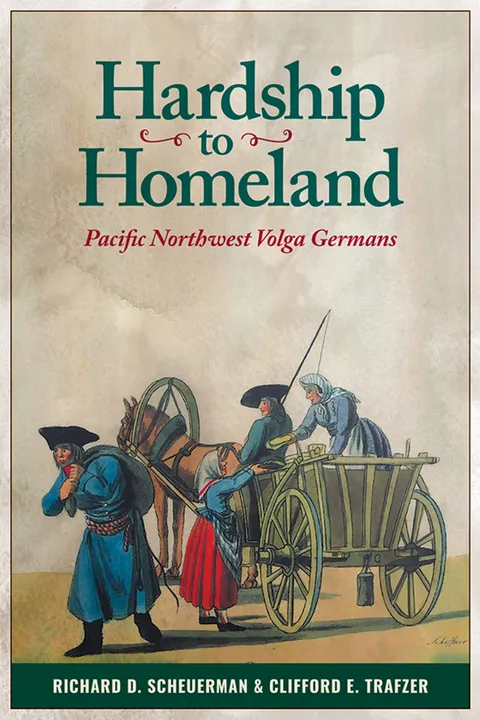
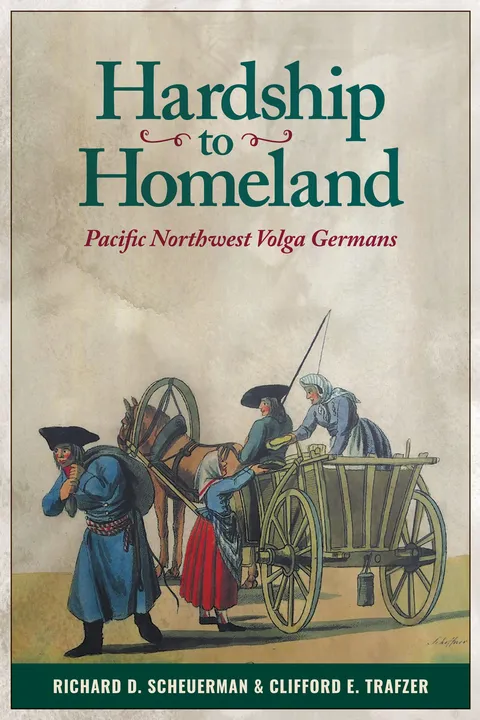
Hardship to Homeland recounts Volga Germans’ unique story in a saga that stretches from Germany to Russia and across the Atlantic. Burdened by war and debt, life was extremely difficult for impoverished European peasants until a former German princess came to power. Seeking to increase borderland population, provide a buffer against Ottoman Empire incursions, and bring agricultural ingenuity to her country, Russian empress Catherine II issued a remarkable 1763 manifesto inviting Europeans to immigrate. Their passage paid, colonists would become Russian citizens, yet retain their language and culture. For the next four years, some 27,000 settlers came--mostly from Hesse and the Palatinate--founding 104 communities along both banks of the Volga River near Saratov and introducing numerous agricultural innovations.
But the Russian Senate revoked the original settlement terms in 1871. Facing poor economic conditions and a forced Russian army draft, 100,000 Volga Germans joined other immigrant waves to the New World. After a decade of hardship in the Midwest, some began moving to the Pacific Northwest, and their westward movement was one of the region’s largest single ethnic group migrations. From outposts in Washington State they spread throughout the Columbia Basin, along the coast, and into northern Idaho, Oregon, British Columbia, and Alberta, transforming their new homelands into centers of western productivity and significantly influencing North American religion, politics, and social development.
Hardship to Homeland is a revised and expanded reprint of The Volga Germans: Pioneers of the Northwest, published in 1985 and long out of print. This edition offers a new introduction as well as Volga German folk stories from the Pacific Northwest, collected and retold by Richard D. Scheuerman, with illustrations by Jim Gerlitz.Richard D Scheuerman
Retired Seattle Pacific University Associate Professor Dr. Richard D. Scheuerman grew up on a small Palouse Country farm between Endicott and St. John, Washington. He holds a Ph.D. in Educational Leadership from Gonzaga University, an M.A. in History from Pacific Lutheran University, and a B.A. in History and Education from Washington State University. The co-author of more than ten books on Pacific Northwest history, he has received the Washington State Historical Society's Robert Gray Medal, the Washington Governor's Award for Excellence in Teaching, a Schneidmiller Foundation grant, and the University of California-Riverside Rupert Costo Medallion for Research in Native American History.
More by Richard D Scheuerman
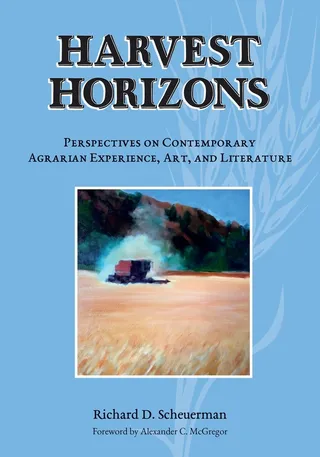
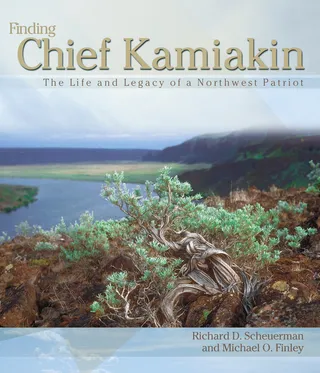
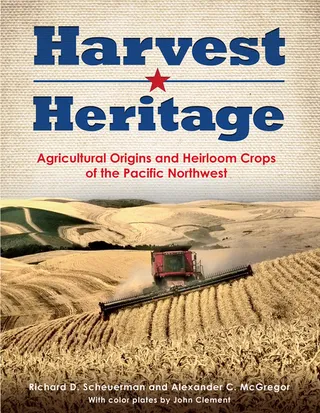
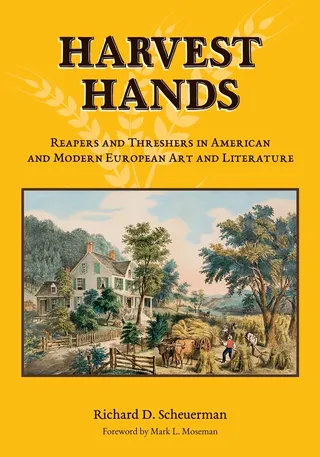
Clifford Trafzer
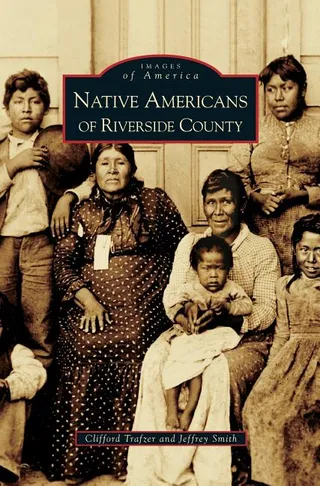
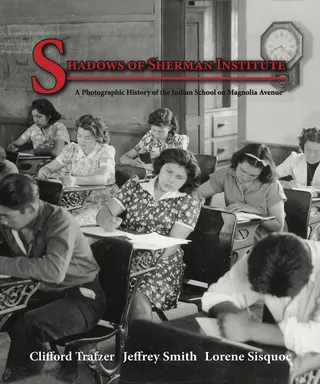
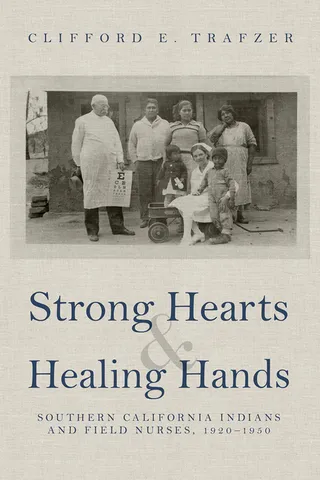
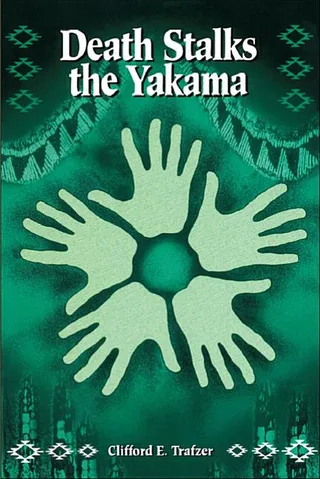
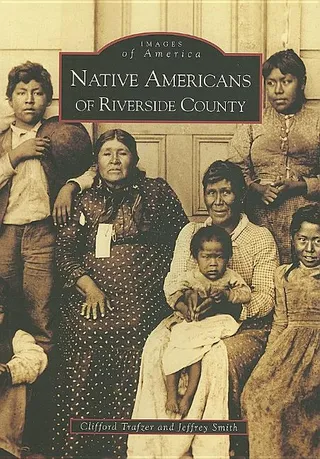
Author Clifford Trafzer, a professor of American Indian history at UCR, has written books including Native Universe, Renegade Tribe, Death Stalks the Yakama, and Chemehuevi People. Jeffrey Smith, a history instructor at California State University, San Be
More by Clifford Trafzer


Why Readwise Books?
Readwise Books is an ebook & audiobook platform that automatically logs how much you and your friends read, making it fun and easy to read more. Learn more →