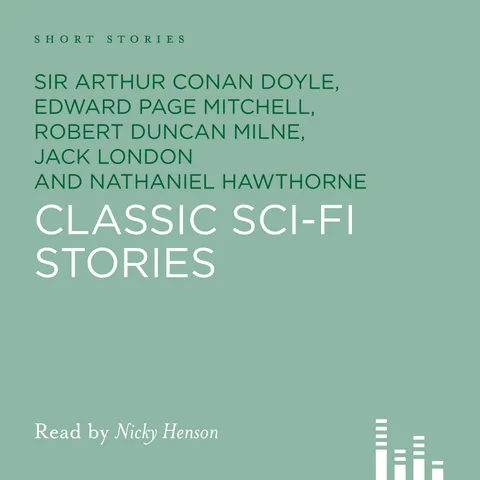
Classic Sci-Fi Stories
Report an issue
Tell us what's wrong and we'll take a look.
Thanks – we got it. We'll review and follow up if needed.
This is science fiction at its literate best with every story a little gem.
A clock that reverses the order of history, a potion that prolongs youth, a machine that disintegrates matter, the prospect of the earth burning to a crisp from the heat of the sun and the effects of the absence of gravity; all this and more can be found in this superb collection of unabridged classic science fiction stories. Read by Nicky Henson
Stories included:
The Disintegration Machine by Sir Arthur Conan Doyle
The Clock That Went Backward by Edward Page Mitchell
Into the Sun by Robert Duncan Milne
Dr. Heidegger's Experiment by Nathaniel Hawthorne
A Thousand Deaths by Jack London
A Tale of Negative Gravity by Frank R. Stockton
Arthur Conan Doyle
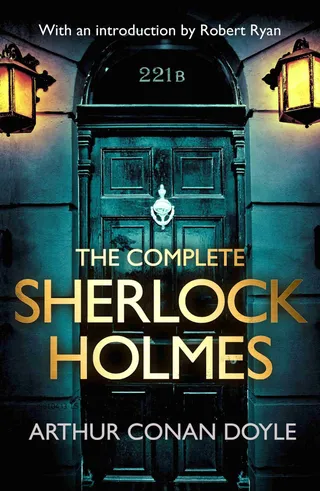
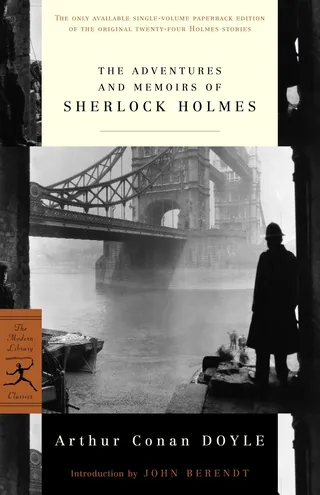
Arthur Conan Doyle was born in 1859. He trained to be a doctor at Edinburgh University and eventually set up a medical practice in Southsea. During the quiet periods between patients, he turned his hand to writing, producing historical novels such as Micah Clarke and adventure yarns including The Lost World, as well as four novels and fifty-six stories involving his most celebrated creations, Sherlock Holmes and Dr Watson. Doyle was knighted in 1902. In later life he devoted much of his time to his belief in Spiritualism, using his writing and celebrity as a means of providing funds to support activities in this field. He died in 1930.
More by Arthur Conan Doyle
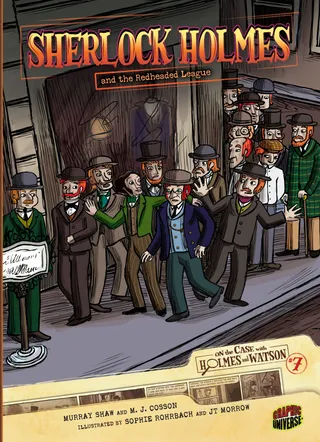
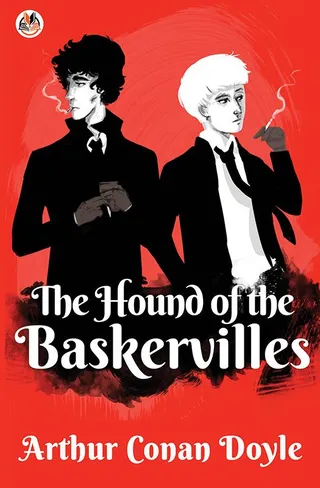
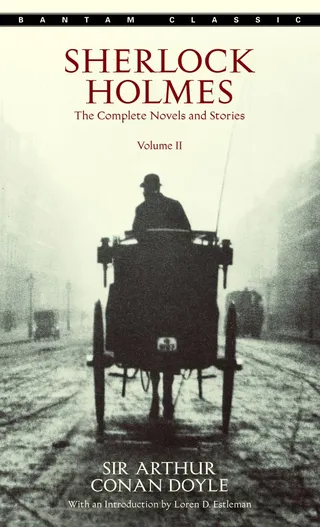


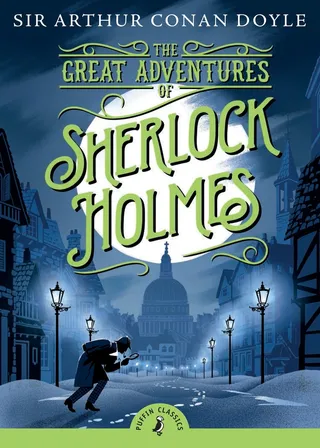

Nathaniel Hawthorne
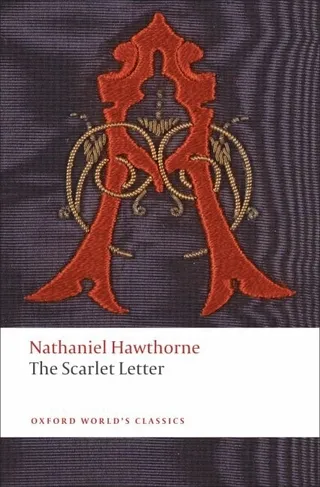
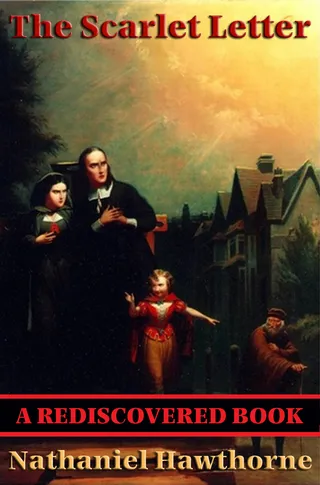
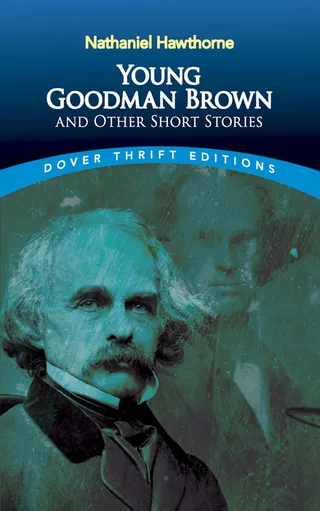
Born in 1804, Nathaniel Hawthorne is known for his historical tales and novels about American colonial society. After publishing The Scarlet Letter in 1850, its status as an instant bestseller allowed him to earn a living as a novelist. Full of dark romanticism, psychological complexity, symbolism, and cautionary tales, his work is still popular today. He has earned a place in history as one of the most distinguished American writers of the nineteenth century.
More by Nathaniel Hawthorne










Why Readwise Books?
Readwise Books is an ebook & audiobook platform that automatically logs how much you and your friends read, making it fun and easy to read more. Learn more →