Report an issue
Tell us what's wrong and we'll take a look.
Thanks – we got it. We'll review and follow up if needed.
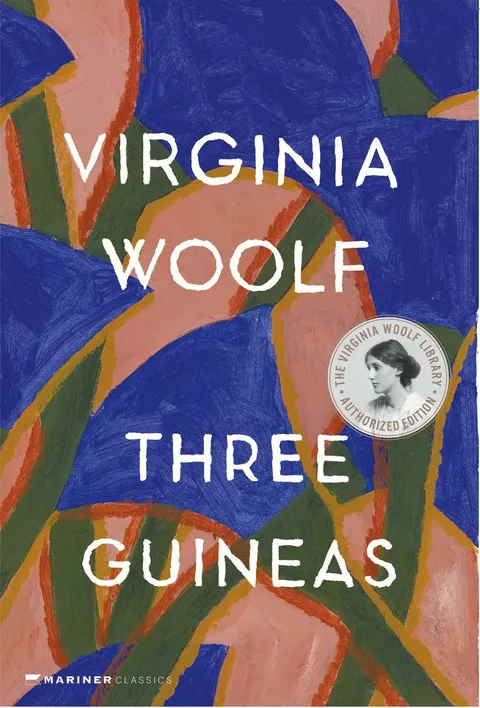
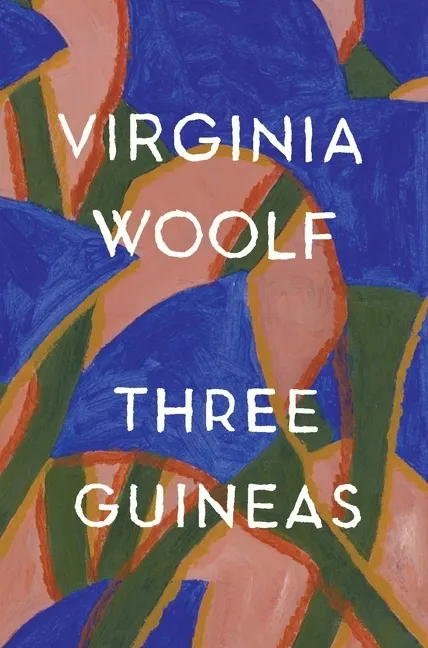
Setting out to answer the question "How are we to prevent war?" Virginia Woolf argues that the inequalities between women and men must first be addressed. Framing her arguments in the form of a letter, Woolf wittily ponders to whom--among the many who have requested it--she will donate a guinea. As she works out her reasons for which causes she will support, Woolf articulates a vision of peace and political culture as radical now as it was when first published on the eve of the Second World War. A founding text of cultural theory, Three Guineas can also help us understand the twenty-first-century realities of endless war justified by "unreal loyalties."
"Witty, scornful, deeply serious...If you are a woman, or anti-war, or both, read it."--The New Yorker
Virginia Woolf
Virginia Woolf (1882–1941), an English modernist, has been heralded as one of the greatest female writers of all time. In 1915, she published her first novel, The Voyage Out, which became known for its peculiar narrative perspectives and free-association prose. She followed this up with several famous novels such as Mrs. Dalloway and Jacob’s Room, as well as the feminist essay A Room of One’s Own. Woolf suffered from depression and committed suicide in 1941.
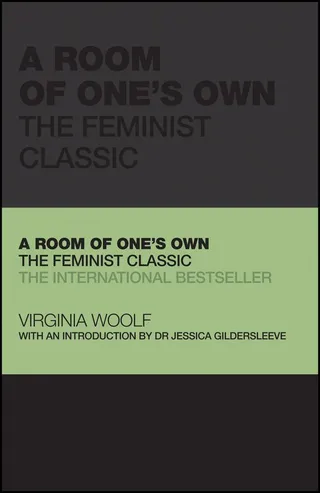
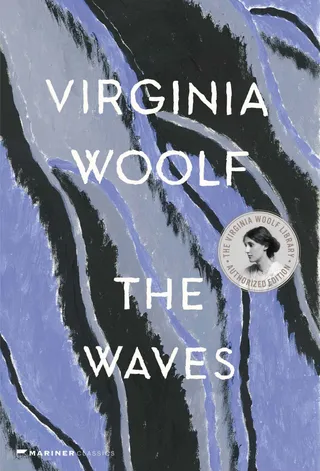
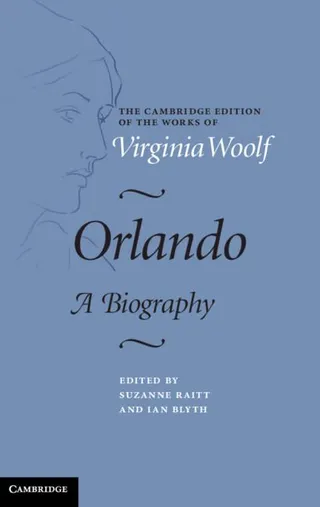
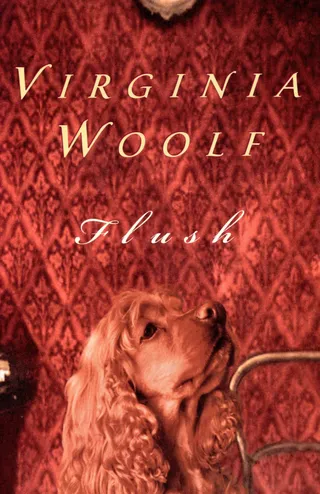
More by Virginia Woolf

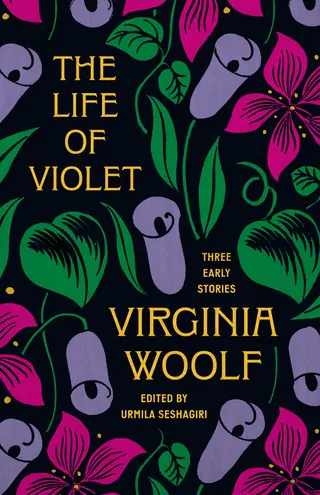
Mark Hussey
Mark Hussey is Professor of English at Pace University, USA. He is editor of the Cambridge edition of Virginia Woolf's Between the Acts (2011) and author of Virginia Woolf A to Z: The Essential Reference to Her Life and Writings (1996).
More by Mark Hussey




Why Readwise Books?
Readwise Books is an ebook & audiobook platform that automatically logs how much you and your friends read, making it fun and easy to read more. Learn more →