Report an issue
Tell us what's wrong and we'll take a look.
Thanks – we got it. We'll review and follow up if needed.
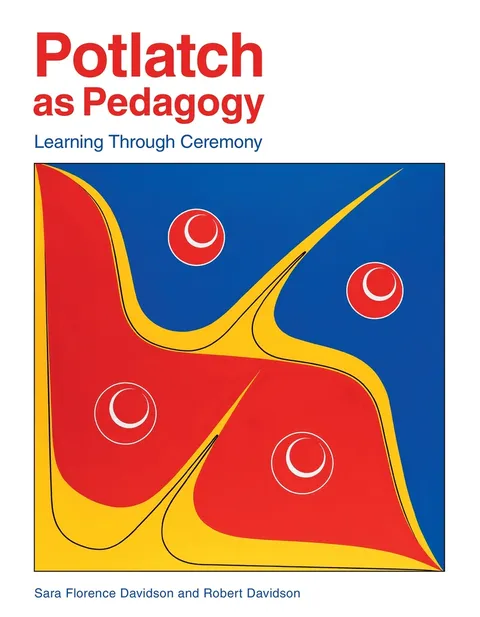
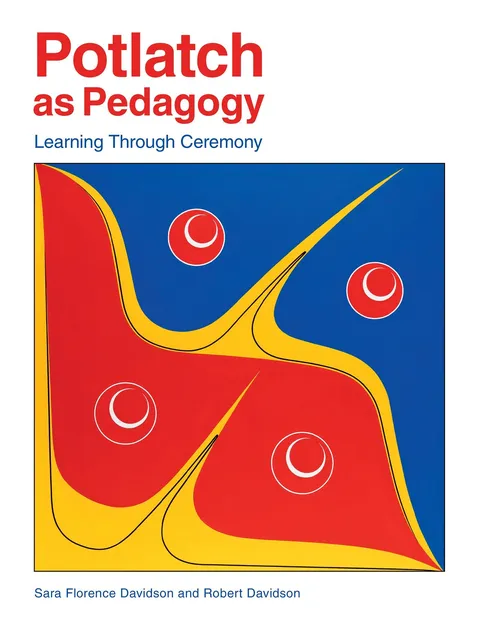
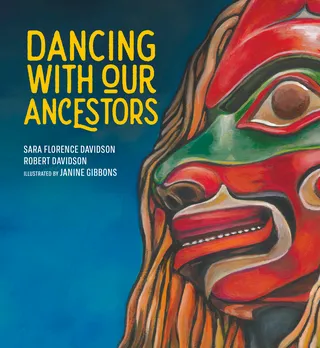
In 1884, the Canadian government enacted a ban on the potlatch, the foundational ceremony of the Haida people. The tradition, which determined social structure, transmitted cultural knowledge, and redistributed wealth, was seen as a cultural impediment to the government’s aim of assimilation.
The tradition did not die, however; the knowledge of the ceremony was kept alive by the Elders through other events until the ban was lifted. In 1969, a potlatch was held. The occasion: the raising of a totem pole carved by Robert Davidson, the first the community had seen in close to 80 years. From then on, the community publicly reclaimed, from the Elders who remained to share it, the knowledge that has almost been lost.
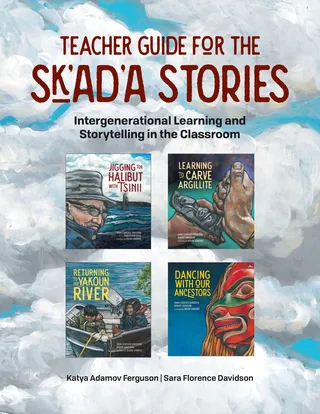
Sara Florence Davidson, Robert’s daughter, would become an educator. Over the course of her own education, she came to see how the traditions of the Haida practiced by her father—holistic, built on relationships, practical, and continuous—could be integrated into contemporary educational practices. From this realization came the roots for this book.
Sara Davidson
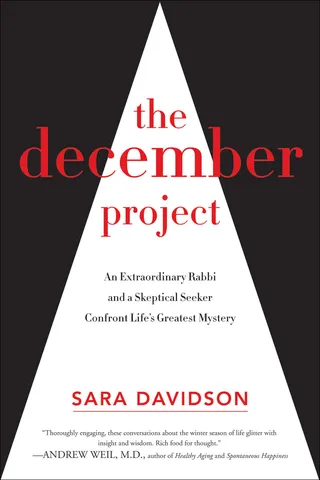
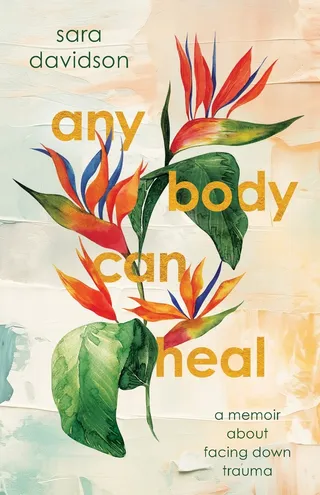
Sara Davidson is the New York Times bestselling author of eight books, including Loose Change: Three Women of the Sixties; Joan: Forty Years of Life, Loss, and Friendship with Joan Didion; and Leap! She has written for the New York Times Magazine, Newsweek, Harper's, The Atlantic, Esquire, and Rolling Stone. Davidson lives in Boulder, Colorado.
Half the author's proceeds go to support the Reb Zalman Legacy Project.
More by Sara Davidson






Why Readwise Books?
Readwise Books is an ebook & audiobook platform that automatically logs how much you and your friends read, making it fun and easy to read more. Learn more →