Report an issue
Tell us what's wrong and we'll take a look.
Thanks – we got it. We'll review and follow up if needed.
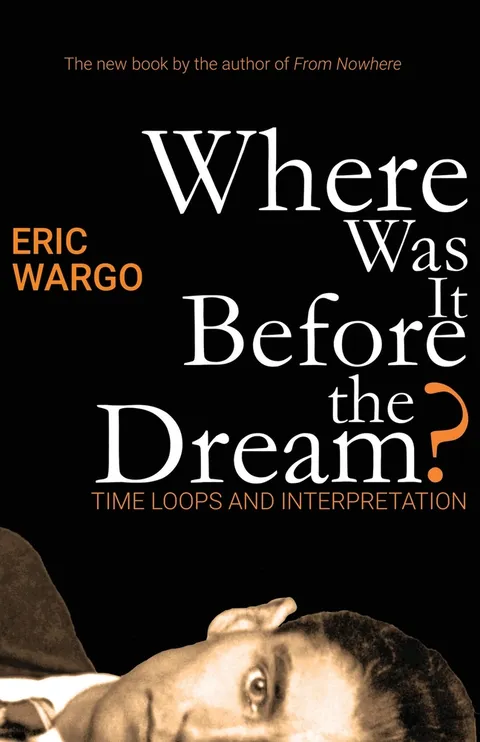
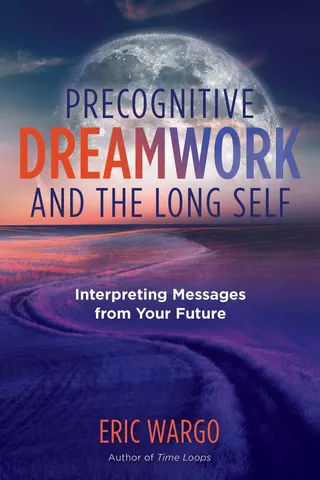
This is a book about a mind-bending new way of interpreting imaginative literature.
Writers often draw on dreams for their inspiration, and those dreams are often precognitive, foreshadowing upheavals in the writer's future. It means that literature may often be prophetic, and that standard critical approaches focused solely on an author's prior influences or present life context are inadequate to fully understand the miracle of literary creation.
This exercise in "psychic deconstruction" examines the works and lives of six imaginative (and in most cases, dream-inspired) writers: Samuel Taylor Coleridge, Mary Shelley, J. R. R. Tolkien, Stanislaw Lem, Joan Lindsay, and Franz Kafka. Wargo shows that some of their greatest masterpieces-Coleridge's Kubla Khan and Tolkien's The Hobbit, for instance, as well as Kafka's The Metamorphosis and The Trial and Lindsay's beloved Australian classic, Picnic at Hanging Rock-were premonitions of how the author would look back upon their work or career in hindsight: with longing, curiosity, regret, or often some mix of emotions. The most dazzling and original inventions of the literary imagination, from the monster in Shelley's Frankenstein to the magical beings and objects of Middle Earth or the inscrutable intelligences in Lem's novels about alien contact, like Solaris, are really strange, biographical time loops preserved in amber.
Eric Wargo
Eric Wargo has a Ph.D. in anthropology from Emory University and works as a professional science writer and editor in Washington, D.C. He is the author of the acclaimed book Time Loops. In his spare time, Wargo writes about science fiction, consciousness, and parapsychology at his popular blog, The Nightshirt.
More by Eric Wargo


Why Readwise Books?
Readwise Books is an ebook & audiobook platform that automatically logs how much you and your friends read, making it fun and easy to read more. Learn more →