Report an issue
Tell us what's wrong and we'll take a look.
Thanks – we got it. We'll review and follow up if needed.
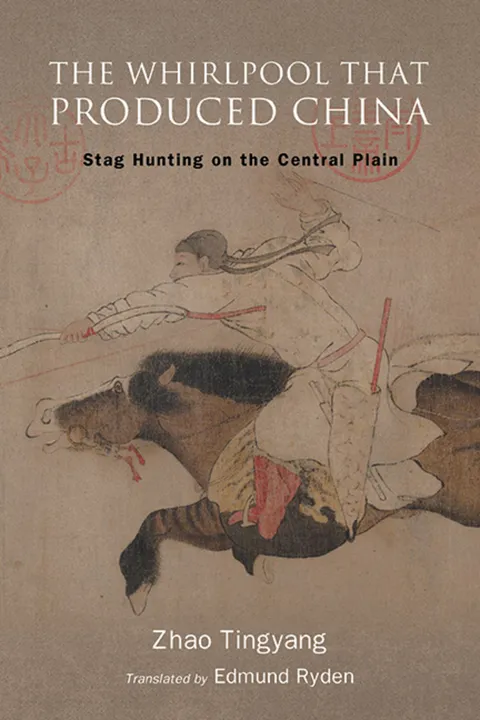
Provides a philosophical, cultural, and historical answer to the question: Where did China come from?
In The Whirlpool That Produced China, Tingyang Zhao offers a philosophical interpretation of China's historicity, explaining how the expansion of China was not due to the lures of expansionist behavior but to the offerings of the surrounding contenders as they were constantly being pulled into a whirlpool of growth and amalgamation. The peoples surrounding China on all four sides sought to win the greatest material benefits and greatest spiritual resources by shaping their ways of thinking and living around the evolving core culture of the central plains. Zhao also investigates how the tianxia vision of world order was able to dissolve the fierce currents of contention and create out of them the inclusive model of many cultures and many peoples with many forms of governance. He explains these reasons for why China became China by weaving together ontology with game theory methodology: the "stag hunt." Ultimately, Zhao addresses the question of how ancient China became such an irresistible attraction-a stag-to its vital periphery that once a population and territory was drawn into the game, or the whirlpool, it was difficult if not impossible to withdraw.
Tingyang Zhao
Zhao Tingyang is a philosopher of political theory, metaphysics, and philosophy of history. His known theories include tianxia as a philosophy of world order, the ontology of coexistence, human rights as credit rights, and the whirlpool power of China.
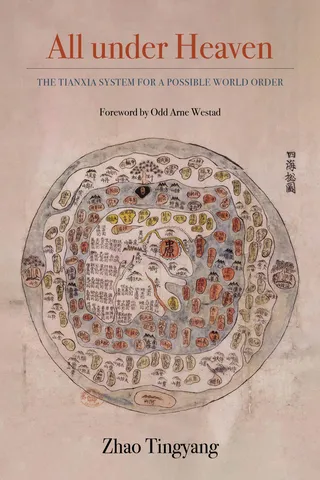
More by Tingyang Zhao


Why Readwise Books?
Readwise Books is an ebook & audiobook platform that automatically logs how much you and your friends read, making it fun and easy to read more. Learn more →