Report an issue
Tell us what's wrong and we'll take a look.
Thanks – we got it. We'll review and follow up if needed.
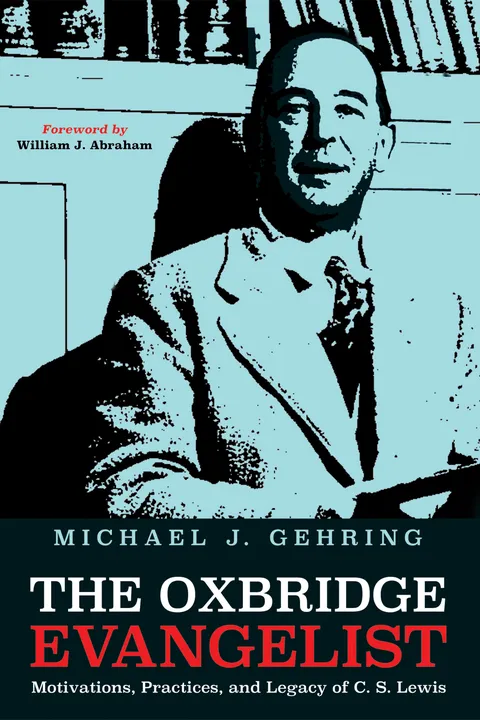
In The Oxbridge Evangelist: Motivations, Practices, and Legacy of C. S. Lewis, Michael Gehring examines the evangelistic practices of one of the most significant lay evangelists of the twentieth century. In the early 1930s not many who knew Lewis would have guessed that he would become such a significant evangelist. He has left an evangelistic legacy that has influenced millions across the world. Yet Lewis scholarship has not given sufficient attention to this crucial aspect of his legacy. This work examines Lewis's loss and recovery of faith, and it shows how his experience heightened his own awareness of the loss of the Christian faith in England. Because of his ability to identify with others, Lewis engaged in the work of evangelism with uncanny skill. This work required singular courage on his part; it cost him dearly professionally and in his relationships. Gehring critically explores Lewis's motivations, practices, and legacy of evangelism. In doing so he provides penetrating insight for those interested in the theory and practice of evangelism in a culture that too readily leaves it to the crazies of the Christian tradition or relegates it to the margins of church life.
Michael J. Gehring
Michael J. Gehring, a United Methodist Elder, serves in the Western North Carolina Conference. He is also an Adjunct Professor of Pastoral Theology at Hood Theological Seminary. His publications include The Oxbridge Evangelist: Motivations, Practices, and Legacy of C. S. Lewis (2017), As the Broken White Lines Become One: A Spiritual Travelogue (2018), and coeditor of The Logic of Evangelism Revisited (2019).
More by Michael J. Gehring




Why Readwise Books?
Readwise Books is an ebook & audiobook platform that automatically logs how much you and your friends read, making it fun and easy to read more. Learn more →