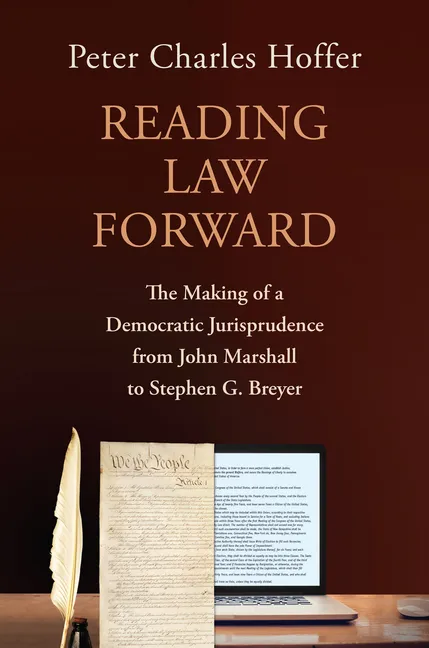
Reading Law Forward
The Making of a Democratic Jurisprudence from John Marshall to Stephen G. Breyer
Report an issue
Tell us what's wrong and we'll take a look.
Thanks – we got it. We'll review and follow up if needed.
In the current legal climate where "everyone is an originalist," conventional wisdom suggests that judges merely find law, rather than make it. Orthodox common-law jurisprudence makes fidelity to the past the central goal and criterion. By contrast, the alternative approach, "reading the law forward"--what some call judicial pragmatism or consequentialism--is viewed as heretical. Rather than mount a theoretical defense of a forward-thinking jurisprudence, legal historian Peter Charles Hoffer offers an empirical study of how this approach to constitutional interpretation actually leads to better law. Reading Law Forward looks at seven judges who exemplify this alternative jurisprudence: John Marshall, Joseph Story, Lemuel Shaw, Louis D. Brandeis, Benjamin Cardozo, William O. Douglas, and Stephen G. Breyer.
"In the hands of America's leading judges, a jurisprudence of reading law forward enabled courts to respond to the challenges of changing conditions. It kept law fresh. It promoted and still promotes the growth of a democratic society," Hoffer convincingly argues.
Peter Charles Hoffer
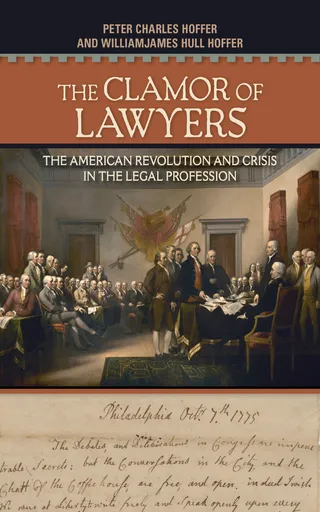
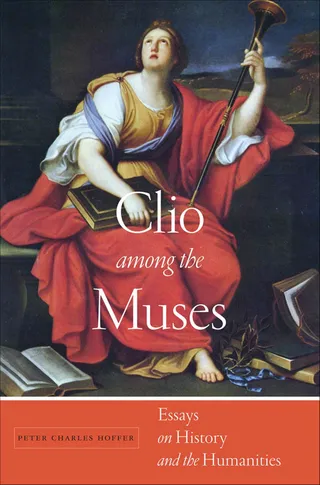
Peter Charles Hoffer is Distinguished Research Professor of History at the University of Georgia. He has authored and co-authored more than twenty books, including Clio Among the Muses: Essays on History and the Humanities; The Historians' Paradox: The Study of History in Our Time; and The Clamor of Lawyers: The American Revolution and the Crisis in the Legal Profession.
More by Peter Charles Hoffer



Why Readwise Books?
Readwise Books is an ebook & audiobook platform that automatically logs how much you and your friends read, making it fun and easy to read more. Learn more →