Report an issue
Tell us what's wrong and we'll take a look.
Thanks – we got it. We'll review and follow up if needed.
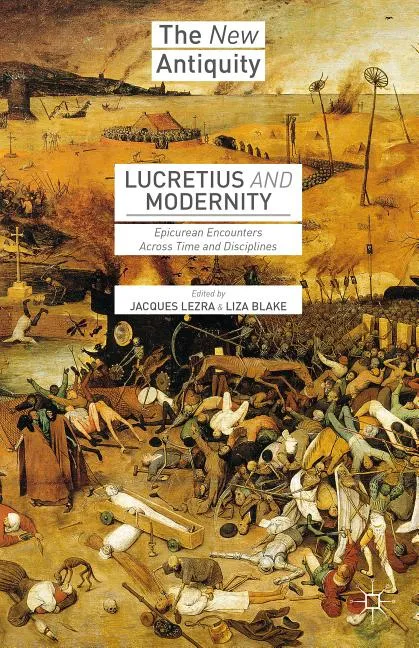
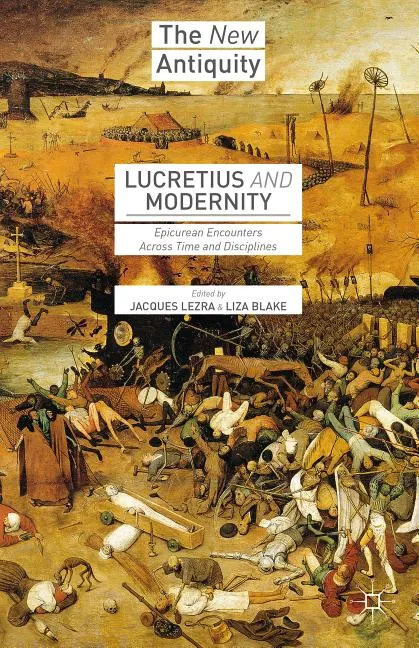
Lucretius's long shadow falls across the disciplines of literary history and criticism, philosophy, religious studies, classics, political philosophy, and the history of science. The best recent example is Stephen Greenblatt's popular account of the Roman poet's De Rerum Natura (On the Nature of Things) rediscovery by Poggio Bracciolini, and of its reception in early modernity, winner of both a Pulitzer Prize and National Book Award. Despite the poem's newfound influence and visibility, very little cross-disciplinary conversation has taken place. This edited collection brings together essays by distinguished scholars to examine the relationship between Lucretius and modernity. Key questions weave this book's ideas and arguments together: What is the relation between literary form and philosophical argument? How does the text of De rerum natura allow itself to be used, at different historical moments and to different ends? What counts as reason for Lucretius? Together, these essays present a nuanced, skeptical, passionate, historically sensitive, and complicated account of what is at stake when we claim Lucretius for modernity.
Jacques Lezra
Jacques Lezra is Distinguished Professor in the Departments of English and Hispanic Studies at the University of California, Riverside. His most recent publications are República salvaje (2019), On the Nature of Marx’s Things (2018), Untranslating Machines: A Genealogy for the Ends of Global Thought (2017), and Contra todos los fueros de la Muerte (2016).


Why Readwise Books?
Readwise Books is an ebook & audiobook platform that automatically logs how much you and your friends read, making it fun and easy to read more. Learn more →