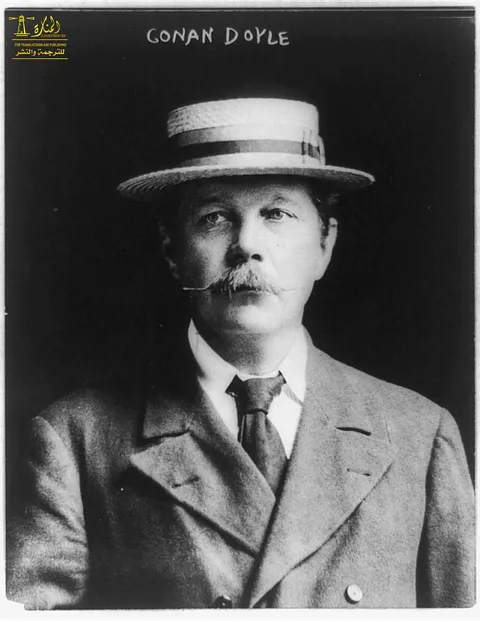
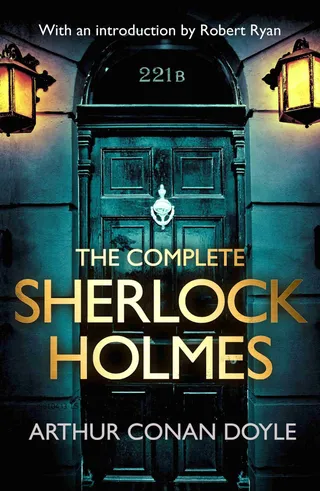
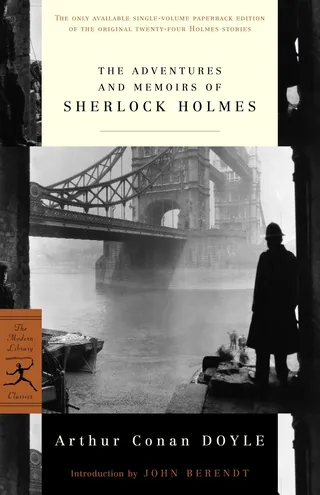
Complete works of Sir Arthur Conan Doyle
Report an issue
Tell us what's wrong and we'll take a look.
Thanks – we got it. We'll review and follow up if needed.
Arthur Conan Doyle, in full Sir Arthur Ignatius Conan Doyle, (born May 22, 1859, Edinburgh, Scotland—died July 7, 1930, Crowborough, Sussex, England), Scottish writer best known for his creation of the detective Sherlock Holmes—one of the most vivid and enduring characters in English fiction.
Conan Doyle, the second of Charles Altamont and Mary Foley Doyle’s 10 children, began seven years of Jesuit education in Lancashire, England, in 1868. After an additional year of schooling in Feldkirch, Austria, Conan Doyle returned to Edinburgh. Through the influence of Dr. Bryan Charles Waller, his mother’s lodger, he prepared for entry into the University of Edinburgh’s Medical School. He received Bachelor of Medicine and Master of Surgery qualifications from Edinburgh in 1881 and an M.D. in 1885 upon completing his thesis, “An Essay upon the Vasomotor Changes in Tabes Dorsalis.”
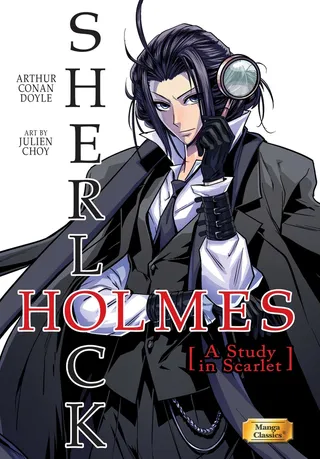
While a medical student, Conan Doyle was deeply impressed by the skill of his professor, Dr. Joseph Bell, in observing the most minute detail regarding a patient’s condition. This master of diagnostic deduction became the model for Conan Doyle’s literary creation, Sherlock Holmes, who first appeared in A Study in Scarlet, a novel-length story published in Beeton’s Christmas Annual of 1887. Other aspects of Conan Doyle’s medical education and experiences appear in his semiautobiographical novels, The Firm of Girdlestone (1890) and The Stark Munro Letters (1895), and in the collection of medical short stories Round the Red Lamp (1894). (See also Sherlock Holmes: Pioneer in Forensic Science.) Conan Doyle’s creation of the logical, cold, calculating Holmes, the “world’s first and only consulting detective,” sharply contrasted with the paranormal beliefs Conan Doyle addressed in a short novel of this period, The Mystery of Cloomber (1889). Conan Doyle’s early interest in both scientifically supportable evidence and certain paranormal phenomena exemplified the complex diametrically opposing beliefs he struggled with throughout his life.
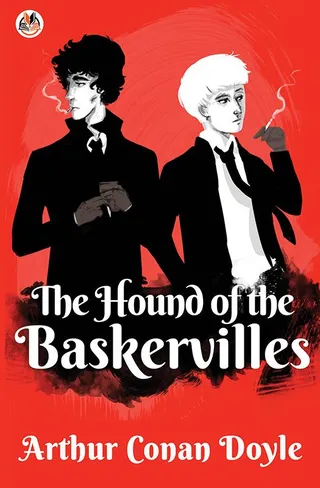
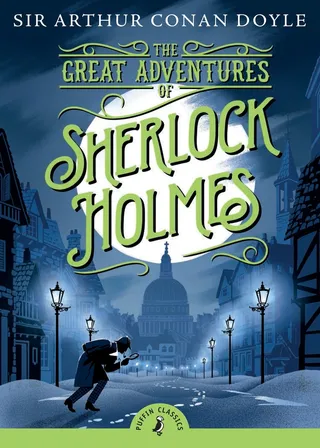
Driven by public clamour, Conan Doyle continued writing Sherlock Holmes adventures through 1926. His short stories were collected in several volumes, and he also wrote novels (e.g., The Hound of the Baskervilles, serialized 1901–02) that feature Holmes and his assistant, Dr. Watson. Conan Doyle, however, claimed the success of Holmes overshadowed the merit he believed his other historical fiction deserved, most notably his tale of 14th-century chivalry, The White Company (1891), its companion piece, Sir Nigel (1906), and his adventures of the Napoleonic war hero Brigadier Gerard and the 19th-century skeptical scientist Professor George Edward Challenger.
When his passions ran high, Conan Doyle also turned to nonfiction. His works included military writings, The Great Boer War (1900) and The British Campaign in France and Flanders, 6 vol. (1916–20), and subjects such as the Belgian atrocities in the Congo during Leopold II’s reign, in The Crime of the Congo (1909), as well as his involvement in the actual criminal cases of George Edalji and Oscar Slater.
Anthony Martinez
ANTHONY MARTINEZ is a graduate from the College of Biblical Studies in Houston, Texas with a major in biblical counseling, which trained him in handling psychological and mental disorders such bipolar disorder, multiple personality disorders, schizophrenia, and anxiety disorders. As a preacher and Sunday-school teacher, his counseling comes out with his teachings, and it is through the context of Scripture that he learned to treat these types of disorders. Anthony is a husband to his wife of twenty-six years, and he is father to a blended family of three children. He is a member of Second Baptist in Fulshear, Texas.
More by Anthony Martinez



Arthur Conan Doyle
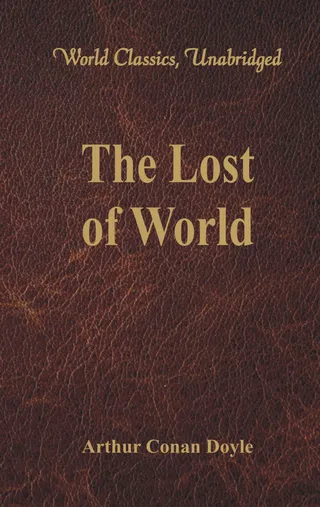
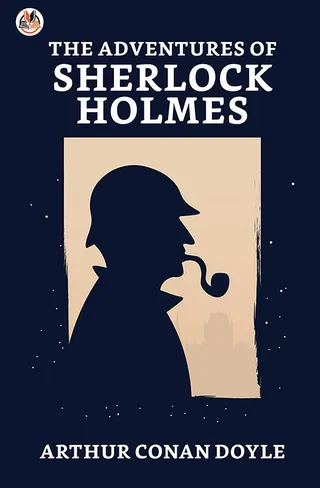
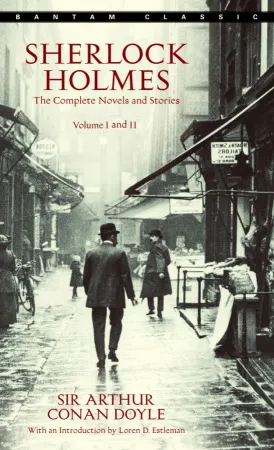
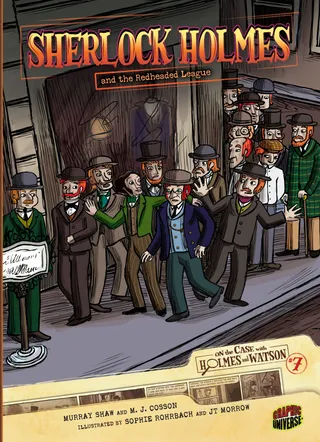
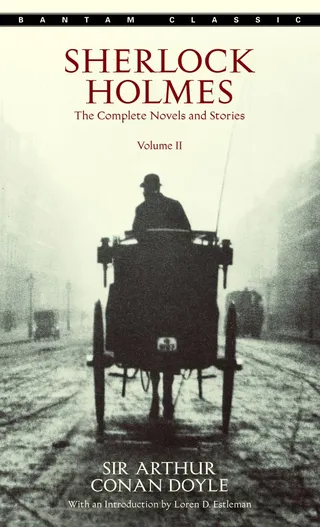
Arthur Conan Doyle was born in 1859. He trained to be a doctor at Edinburgh University and eventually set up a medical practice in Southsea. During the quiet periods between patients, he turned his hand to writing, producing historical novels such as Micah Clarke and adventure yarns including The Lost World, as well as four novels and fifty-six stories involving his most celebrated creations, Sherlock Holmes and Dr Watson. Doyle was knighted in 1902. In later life he devoted much of his time to his belief in Spiritualism, using his writing and celebrity as a means of providing funds to support activities in this field. He died in 1930.
More by Arthur Conan Doyle


Why Readwise Books?
Readwise Books is an ebook & audiobook platform that automatically logs how much you and your friends read, making it fun and easy to read more. Learn more →