Report an issue
Tell us what's wrong and we'll take a look.
Thanks – we got it. We'll review and follow up if needed.
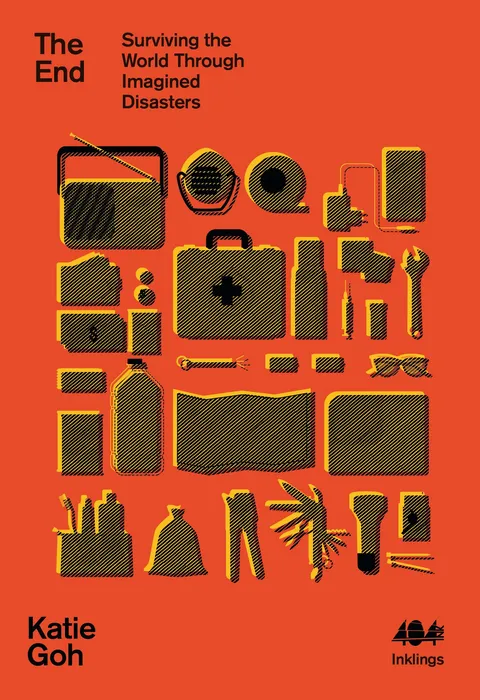
Throughout history, apocalypse fiction has explored social injustice through fantasy, sci-fi and religious imagery, but what can we learn from it? Why do we escape very real disaster via dystopia? Why do we fantasise about the end of the world?
The word “apocalypse” has roots in ancient Greek, with apo (“off”) and kalýptein (“cover”) combining to form apokálypsis, meaning to uncover or reveal. In considering apocalypse fiction across culture and its role in how we manage, manifest and imagine social, economic and political crises, Goh navigates what this genre reveals about our contemporary anxieties, and why we turn to disaster time and again.
From blockbusters like War of the Worlds to The Handmaid’s Tale and far beyond, we venture through global pandemics to the climate crisis, seeking real answers in the midst of our fictional destruction.
Let’s journey to the end.
Katie Goh
Katie Goh is a writer and editor. Foreign Fruit, her first work of narrative non-fiction, won Scotland's 2025 National Book Award for Debut Non-Fiction and her book of essays The End: Surviving the World Through Imagined Disasters was shortlisted for the 2022 Kavya Prize. Her award-nominated essays, journalism and criticism have appeared in publications including Port, the Guardian, Gutter, Wasafiri, i-D, Dazed and gal-dem, and she is an editor for Extra Teeth literary magazine. She grew up in the north of Ireland and lives in Edinburgh.
katiegoh.co.uk
More by Katie Goh


Why Readwise Books?
Readwise Books is an ebook & audiobook platform that automatically logs how much you and your friends read, making it fun and easy to read more. Learn more →