
Our Little Lady
Report an issue
Tell us what's wrong and we'll take a look.
Thanks – we got it. We'll review and follow up if needed.
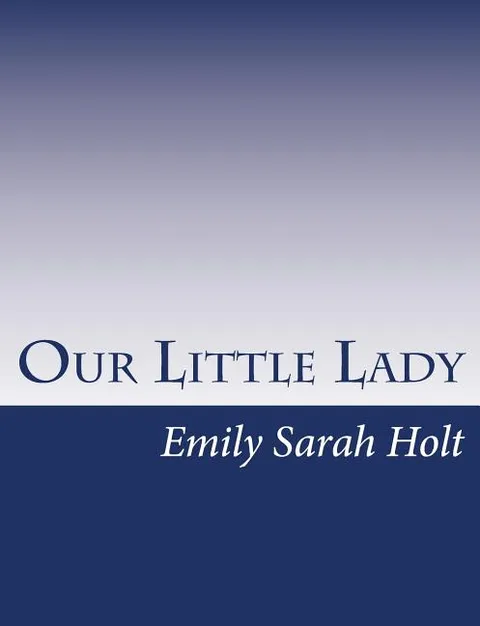
Our Little Lady follows the experiences of a nursery-maid at the Royal Palace. Through her perspective, the story reveals the challenges of life in the Middle Ages, particularly the complexities of caring for a royal princess who is deaf and mute. The narrative paints a vivid picture of 13th-century Lincoln, from the Cathedral to the everyday struggles of the people, offering a glimpse into the societal norms and harsh realities of the time. The nursery-maid reflects on her role in tending to the princess, whose inability to pray is a source of sorrow, despite her own unique ways of communicating. The story explores the burden of social rank, faith, and personal emotions, contrasting royal luxury with the difficulties of the era. The early chapters set the stage for deeper connections and exploration of how the characters navigate their lives amid the strictures of their society. Through this, readers are introduced to a world of both privilege and hardship, where personal struggles and royal duties intertwine in a complex historical context.
Emily Sarah Holt
Emily Sarah Holt was an English author who lived from 1836 to 1893. She was born on April 25, 1836, in Stubbylee, Bacup, Lancashire. She was the oldest daughter of John Holt and Judith Mason of Greens, whose husband was a judge for Lancashire and the West Riding. She is said to have gone to school at Oxford. She got sick in late 1893 while she was in Harrogate and went to go live with her brother in Balham, London. She died there on Christmas Day. An obelisk marks the spot where she was buried in the Church of St. Saviour's, Bacup. Holt had written more than fifty books, most of them for kids. The BML catalogue lists 52 of Holt's books as historical stories, which is what most of her work is. Protestantism is a theme in Holt's work.
More by Emily Sarah Holt


Why Readwise Books?
Readwise Books is an ebook & audiobook platform that automatically logs how much you and your friends read, making it fun and easy to read more. Learn more →