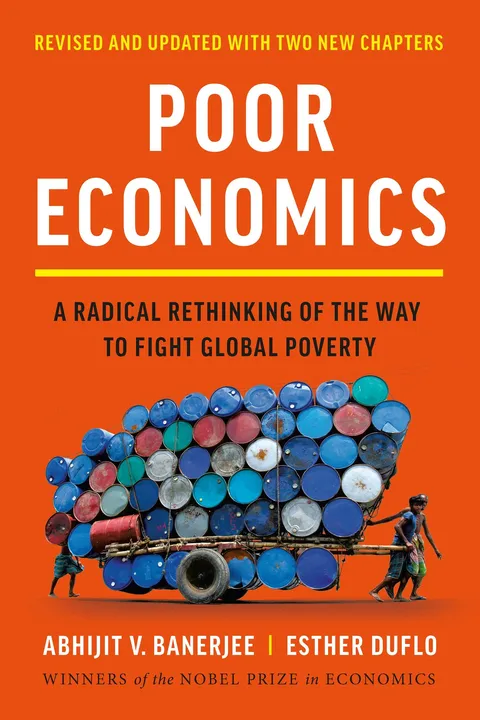
Poor Economics
A Radical Rethinking of the Way to Fight Global Poverty
Report an issue
Tell us what's wrong and we'll take a look.
Thanks – we got it. We'll review and follow up if needed.
In this new edition of their classic work, the winners of the Nobel Prize in Economics upend the most common assumptions about how economics works, providing a “rich and humane” (Financial Times) examination of how poor people actually live
Why do the poor borrow to save? Why do they miss out on free lifesaving immunizations but pay for unnecessary drugs? Why do children from poor families attend school but fail to learn anything?
In Poor Economics, Abhijit V. Banerjee and Esther Duflo, two Nobel Prize–winning MIT professors, answer these questions based on years of field research from around the world. Together, they investigate what the lives and choices of the poor tell us about how to fight global poverty, from why microfinance is useful without being the miracle some hoped it would be to why the poor don’t want health insurance. Throughout, they reveal that even as many magic bullets of yesterday have ended up as today’s failed ideas, there is a path forward through this challenge.
Updated with significant new material based on insights from the last decade of research, Poor Economics is a radical and hopeful rethinking of the economics of poverty and an intimate view of the life of the poor around the world.
Abhijit V Banerjee
Abhijit V. Banerjee, best-selling co-author of Poor Economics and Good Economics for Hard Times, received the 2019 Nobel Prize (Economic Sciences). He lives in Zurich.
More by Abhijit V Banerjee
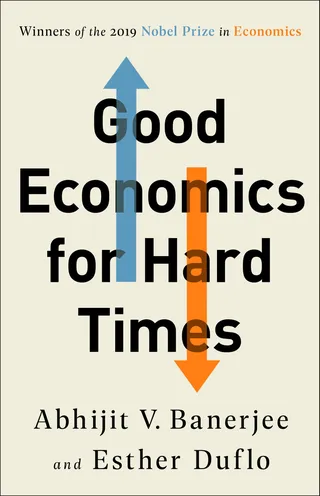
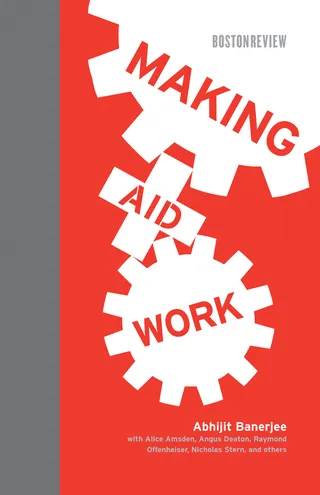
Esther Duflo
Esther Duflo, best-selling co-author of Poor Economics and Good Economics for Hard Times, received the 2019 Nobel Prize (Economic Sciences). She lives in Zurich.
More by Esther Duflo


Why Readwise Books?
Readwise Books is an ebook & audiobook platform that automatically logs how much you and your friends read, making it fun and easy to read more. Learn more →