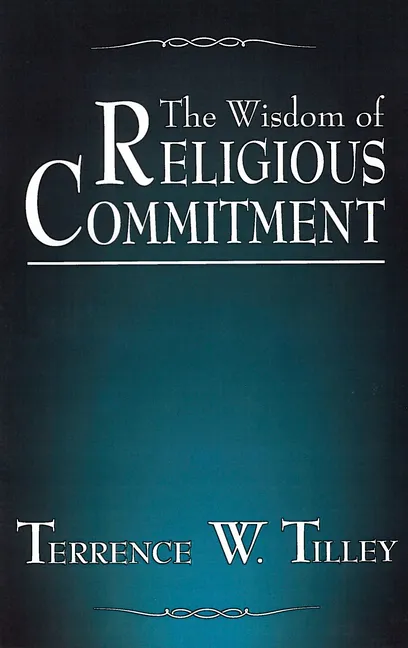
The Wisdom of Religious Commitment
Report an issue
Tell us what's wrong and we'll take a look.
Thanks – we got it. We'll review and follow up if needed.
By exploring a practical, rather than propositional, understanding of religious belief, this book provides a new construct through which to view philosophy of religion. Terrence W. Tilley shifts the focus of debate from the justification of rational belief to the exercise of wisdom in making or maintaining a commitment to religious practices. It is through practices, Tilley concludes, that religious belief is formed.
After analyzing the strengths and limitations of the modern approaches, Tilley applies the concept of wisdom to the process of making a religious commitment. Wisdom, as explored by Aristotle, St. Thomas Aquinas, and John Henry Newman, may be thought of as the bridge between intellectual and moral virtues. Roughly, it can be described as the ability to put intellect into action in a context. Because wisdom is a virtue requiring concrete display, the book discusses the wisdom of commitment to specific religious practices of a range of traditions. These examples demonstrate the issues and complexities involved in the wisdom of making a religious commitment. This important challenge to contemporary philosophy of religion will be of special interest to students and teachers of theology and philosophy of religion.
Terrence W Tilley
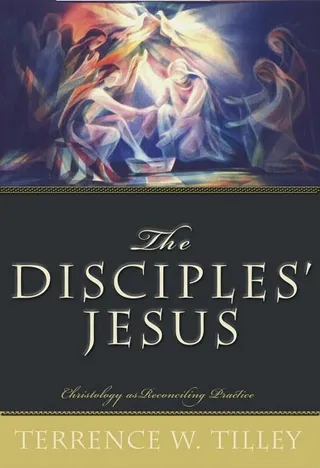
Terrence W. Tilley is Professor of Theology and Chair of the Department at Fordham University. His other books include Talking of God, Story Theology, The Evils of Theodicy, Inventing Catholic Tradition, History, Theology and Faith, and The Disciples' Jesus: Christology as Reconciling Practice.
More by Terrence W Tilley



Why Readwise Books?
Readwise Books is an ebook & audiobook platform that automatically logs how much you and your friends read, making it fun and easy to read more. Learn more →