Report an issue
Tell us what's wrong and we'll take a look.
Thanks – we got it. We'll review and follow up if needed.
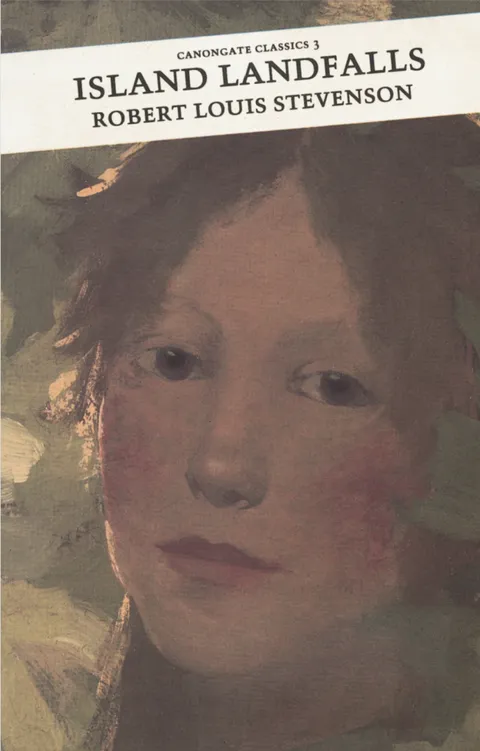
Ill health drove Robert Louis Stevenson from Scotland; the urge for new and adventurous places drew him to the Pacific. There were those at home who would have been happier to see him purely as a spinner of the picturesque, but Stevenson could not close his eyes to the impact of colonialism, the 'stir-about of epochs and races, barbarisms and civilizations, virtues and crimes'.
This collection sets three of his imaginative works -The Bottle Imp, The Isle of Voices, and The Beach of Falesa - within the social and political contexts of Stevenson's letters and essays from the South Seas. Island ambience, the clash of cultures, moral ambiguities, all are there, and so too is Stevenson's swift narrative control, giving a true modernity to his prose.
Robert Louis Stevenson
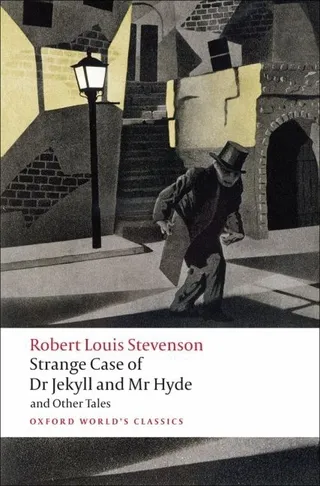
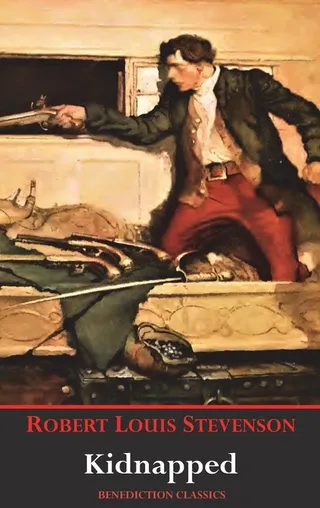
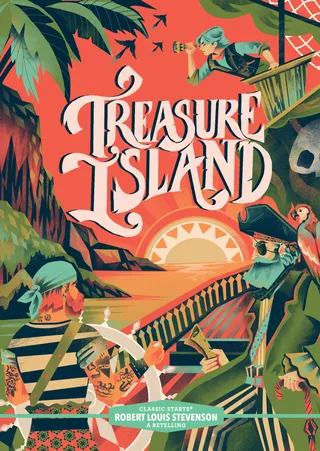
Robert Louis Stevenson was born in Edinburgh in 1850, the only son of an engineer, Thomas Stevenson. Despite a lifetime of poor health, Stevenson was a keen traveller, and his first book An Inland Voyage (1878) recounted a canoe tour of France and Belgium. In 1880, he married an American divorcee, Fanny Osbourne, and there followed Stevenson's most productive period, in which he wrote, amongst other books, Treasure Island (1883), The Strange Case of Dr Jekyll and Mr Hyde, and Kidnapped (both 1886). In 1888, Stevenson left Britain in search of a more salubrious climate, settling in Samoa, where he died in 1894.
More by Robert Louis Stevenson















Why Readwise Books?
Readwise Books is an ebook & audiobook platform that automatically logs how much you and your friends read, making it fun and easy to read more. Learn more →