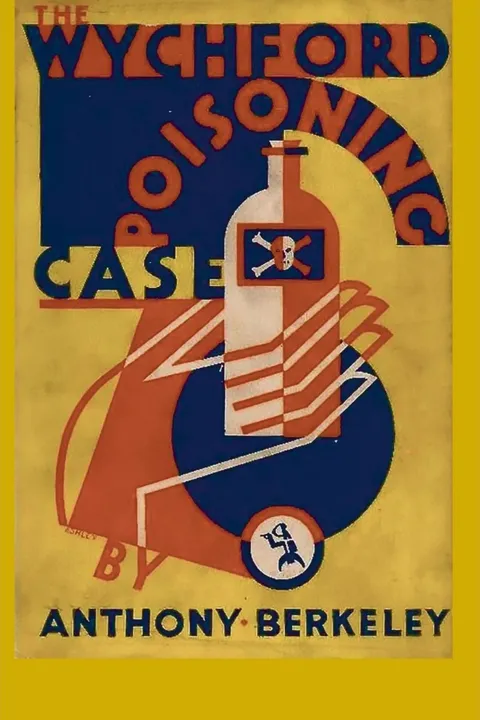
The Wychford Poisoning Case
Report an issue
Tell us what's wrong and we'll take a look.
Thanks – we got it. We'll review and follow up if needed.
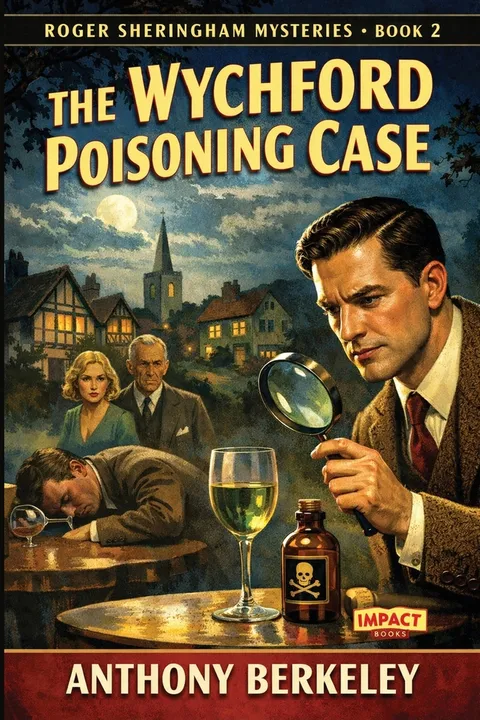
Berkeley, like his contemporaries Agatha Christie and Dorothy L. Sayers, "were fascinated by murder in real life," according to Martin Edwards, who makes another observation. True crime tales provided them with inspiration and motivation. (four) The Wychford Poisoning Case drew inspiration from the case of Florence Maybrick, who faced accusations of poisoning her husband, James Maybrick, and ultimately proved guilty of the crime. Both Edwards and Tony Medawar have mentioned this fact. Sheringham also alludes to numerous other true crime cases involving Edith Thompson and Frederick Bywaters, Frederick Seddon, Hawley Harvey Crippen, William Palmer, Edward William Pritchard, George Henry Lamson, Herbert Rowse Armstrong, Catherine Wilson, Maria van der Linden-Swanenburg (referred to in the novel as "Van de Leyden"), Marie Jeanneret (a Swiss nurse found guilty of murdering six persons and attempting to murder two others by poison), Steinie Morrison, Oscar Slater, Constance Kent, Alfred John Monson, and Madeleine Smith.
The Wychford Poisoning Case was dedicated to fellow crime writer E. M. Delafield.
Anthony Berkeley
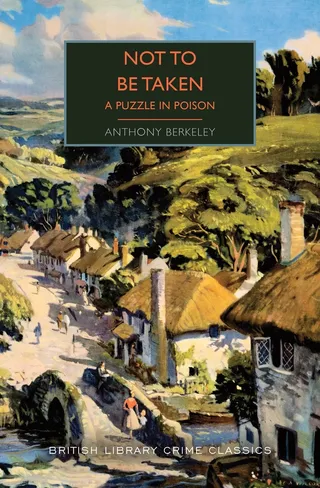
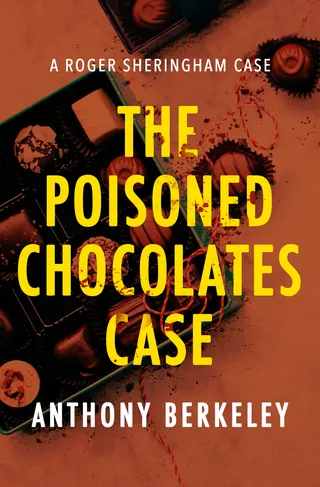
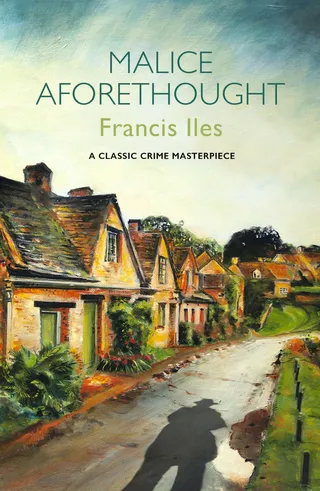
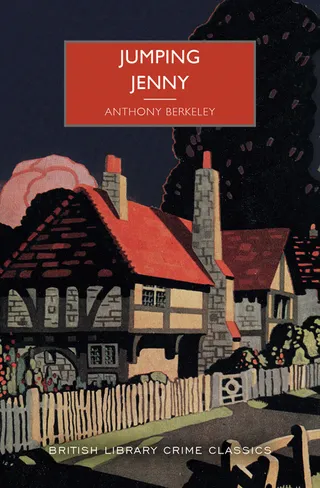
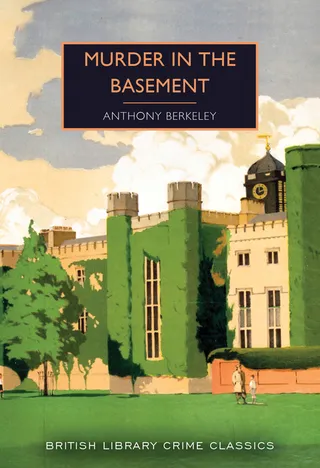
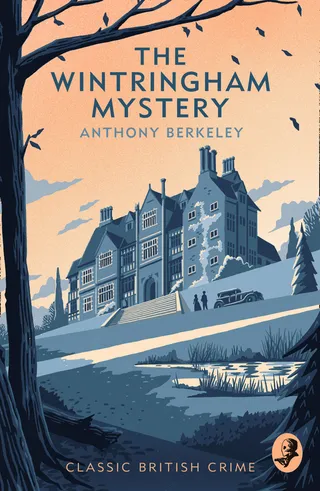
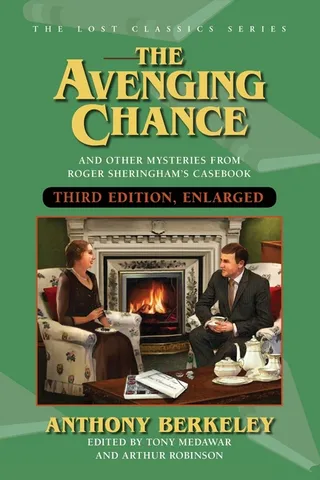
Anthony Berkeley (1893-1971) was the pen name of Anthony Berkeley Cox, an English writer who also published crime novels as Francis Iles. Born in Watford, he served in the First World War and began his literary career writing humorous pieces for periodicals. He brought that experience to detective fiction, where a joke could expose the confidence with which an investigator had mistaken a good story for a satisfactory explanation.The Layton Court Mystery (1925) introduced Roger Sheringham, an amateur detective with a willingness to test an idea and a capacity to be wrong about it. In The Poisoned Chocolates Case (1929), Berkeley places Sheringham in a group of people trying to explain the same death. A familiar form of detective story usually brings many scattered observations together in one solution. Berkeley uses the time it takes to hear several solutions to make a reader attend to the choices each investigator has made while putting the observations in order.Berkeley helped found the Detection Club, a gathering of British crime writers whose members included Dorothy L. Sayers and Agatha Christie. The club offered opportunities to think about and play with the conventions that had become familiar to mystery readers. The Crimes Circle in The Poisoned Chocolates Case has its own fictional purposes, but readers can see why a writer interested in conversation between people with different methods would want to give his investigators a room of their own.Under the name Francis Iles, Berkeley published Malice Aforethought (1931) and Before the Fact (1932). These books put the reader closer to the motives and uncertainties of people involved in a crime than a conventional inquiry might allow. He later wrote criticism and reviews, continuing to consider how mysteries worked after his own period of writing novels had largely ended. His different approaches remain easy to see side by side. A Sheringham book can let the reader test a case and discover how readily it falls apart. An Iles novel can make a person uneasy about how much they already know. In both, Berkeley takes an interest in the moment when the terms on which a reader is following the story begin to change.
More by Anthony Berkeley


Why Readwise Books?
Readwise Books is an ebook & audiobook platform that automatically logs how much you and your friends read, making it fun and easy to read more. Learn more →