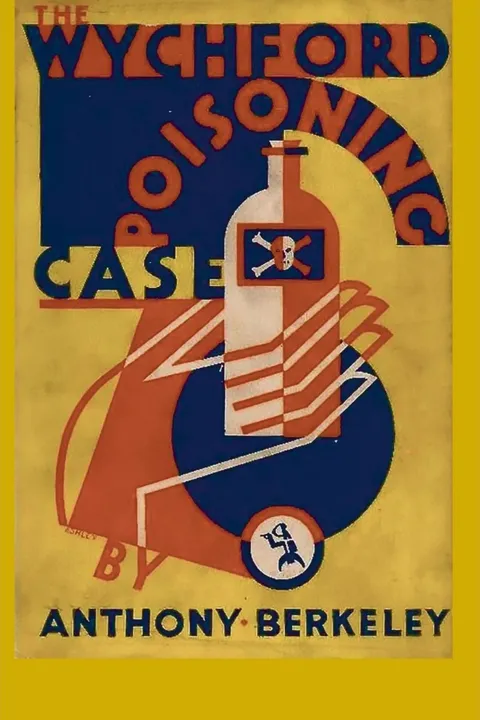
The Wychford Poisoning Case
Report an issue
Tell us what's wrong and we'll take a look.
Thanks – we got it. We'll review and follow up if needed.
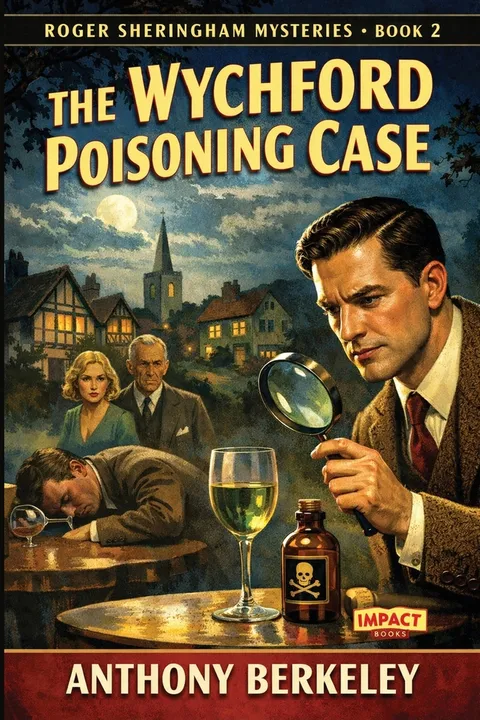
Berkeley, like his contemporaries Agatha Christie and Dorothy L. Sayers, "were fascinated by murder in real life," according to Martin Edwards, who makes another observation. True crime tales provided them with inspiration and motivation. (four) The Wychford Poisoning Case drew inspiration from the case of Florence Maybrick, who faced accusations of poisoning her husband, James Maybrick, and ultimately proved guilty of the crime. Both Edwards and Tony Medawar have mentioned this fact. Sheringham also alludes to numerous other true crime cases involving Edith Thompson and Frederick Bywaters, Frederick Seddon, Hawley Harvey Crippen, William Palmer, Edward William Pritchard, George Henry Lamson, Herbert Rowse Armstrong, Catherine Wilson, Maria van der Linden-Swanenburg (referred to in the novel as "Van de Leyden"), Marie Jeanneret (a Swiss nurse found guilty of murdering six persons and attempting to murder two others by poison), Steinie Morrison, Oscar Slater, Constance Kent, Alfred John Monson, and Madeleine Smith.
The Wychford Poisoning Case was dedicated to fellow crime writer E. M. Delafield.
Anthony Berkeley
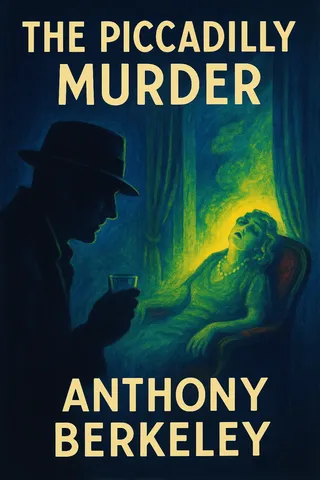
Anthony Berkeley (1893-1971) was a pioneering figure in the Golden Age of detective fiction and a founding member of the Detection Club. Known for his witty prose, ingenious plotting, and psychological depth, Berkeley's mysteries - including The Piccadilly Murder - challenged conventional whodunit structure and delighted readers with clever twists and engaging characters. His work remains essential reading for fans of classic British crime fiction.
More by Anthony Berkeley


Why Readwise Books?
Readwise Books is an ebook & audiobook platform that automatically logs how much you and your friends read, making it fun and easy to read more. Learn more →