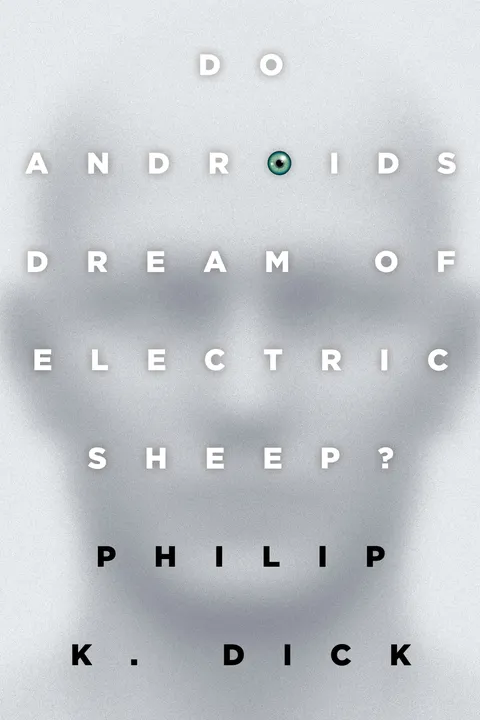
Do Androids Dream of Electric Sheep?
The inspiration for the films Blade Runner and Blade Runner 2049
Report an issue
Tell us what's wrong and we'll take a look.
Thanks – we got it. We'll review and follow up if needed.
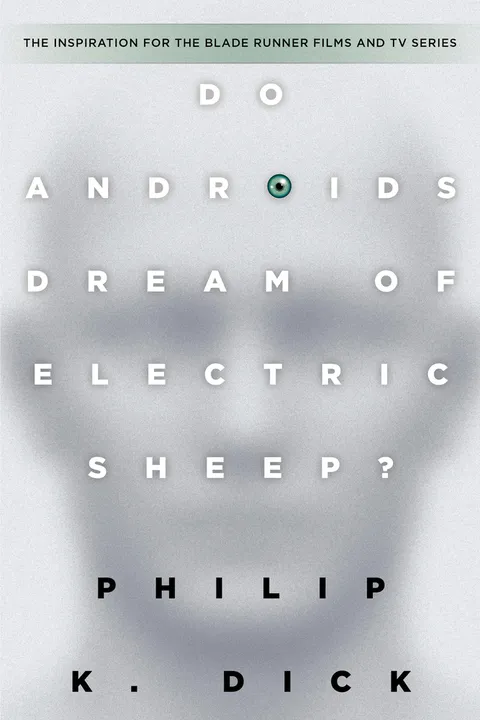
A masterpiece ahead of its time, a prescient rendering of a dark future, and the inspiration for the blockbuster film Blade Runner
By 2021, the World War has killed millions, driving entire species into extinction and sending mankind off-planet. Those who remain covet any living creature, and for people who can’t afford one, companies built incredibly realistic simulacra: horses, birds, cats, sheep. They’ve even built humans. Immigrants to Mars receive androids so sophisticated they are indistinguishable from true men or women. Fearful of the havoc these artificial humans can wreak, the government bans them from Earth. Driven into hiding, unauthorized androids live among human beings, undetected. Rick Deckard, an officially sanctioned bounty hunter, is commissioned to find rogue androids and “retire” them. But when cornered, androids fight back—with lethal force.
Praise for Philip K. Dick
“The most consistently brilliant science fiction writer in the world.”—John Brunner
“A kind of pulp-fiction Kafka, a prophet.”—The New York Times
“[Philip K. Dick] sees all the sparkling—and terrifying—possibilities . . . that other authors shy away from.”—Rolling Stone
Philip K. Dick
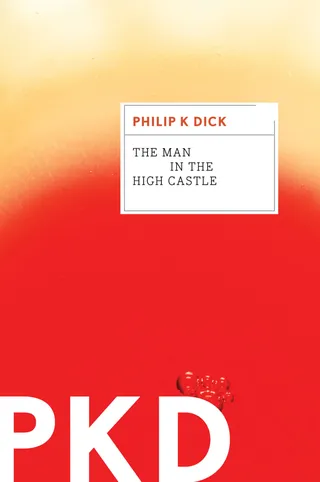
Philip K Dick was born in Chicago in 1928 and lived most of his life in California. He attended college for a year at Berkeley. Apart from writing, his main interest was music. He won the Hugo Award for his classic novel of alternative history, ‘The Man in the High Castle’ (1962). He was married five times and had three children. He died in March 1982.
More by Philip K. Dick






Why Readwise Books?
Readwise Books is an ebook & audiobook platform that automatically logs how much you and your friends read, making it fun and easy to read more. Learn more →