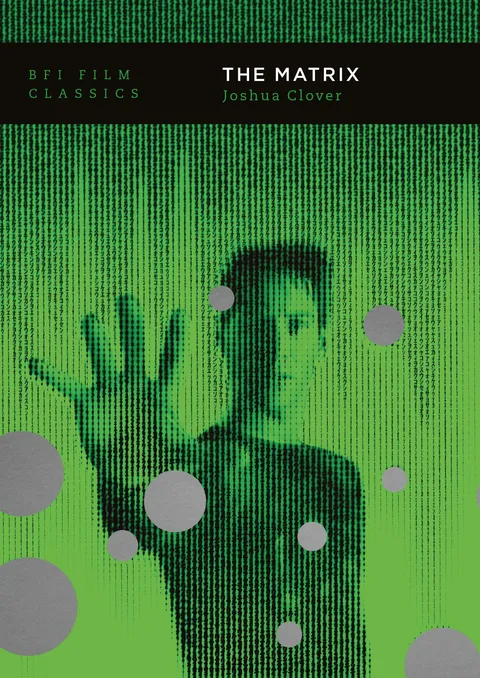
The Matrix
Report an issue
Tell us what's wrong and we'll take a look.
Thanks – we got it. We'll review and follow up if needed.
The Matrix (1999), directed by the Wachowski sisters and produced by Joel Silver, was a true end-of-the-millennium movie, a statement of the American zeitgeist, and, as the original film in a blockbusting franchise, a prognosis for the future of big-budget Hollywood film-making.
Starring Keanu Reeves as Neo, a computer programmer transformed into a messianic freedom fighter, The Matrix blends science fiction with conspiracy thriller conventions and outlandish martial arts created with groundbreaking digital techniques. A box-office triumph, the film was no populist confection: its blatant allusions to highbrow contemporary philosophy added to its appeal as a mystery to be decoded.
In this compelling study, Joshua Clover undertakes the task of decoding the film. Examining The Matrix's digital effects and how they were achieved, he shows how the film represents a melding of cinema and video games (the greatest commercial threat to have faced Hollywood since the advent of television) and achieves a hybrid kind of immersive entertainment. He also unpacks the movie's references to philosophy, showing how The Matrix ultimately expresses the crisis American culture faced at the end of the 1990s.
Joshua Clover
Joshua Clover is a communist. He is also a professor of literature and critical theory at the University of California Davis. A widely published essayist, poet, and cultural theorist, his most recent books are�Red Epic and 1989: Bob Dylan Didn't Have This to Sing About.
More by Joshua Clover







Why Readwise Books?
Readwise Books is an ebook & audiobook platform that automatically logs how much you and your friends read, making it fun and easy to read more. Learn more →