Report an issue
Tell us what's wrong and we'll take a look.
Thanks – we got it. We'll review and follow up if needed.
A BEST BOOK OF 2021 FOR THE GUARDIAN * FINANCIAL TIMES * TIMES LITERARY SUPPLEMENT * MINNEAPOLIS STAR TRIBUNE * THE TIMES
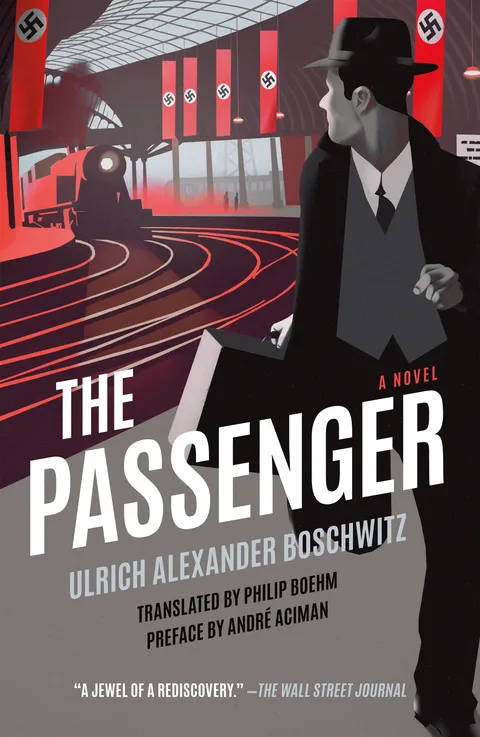
Hailed as a remarkable literary discovery, a lost novel of heart-stopping intensity and harrowing absurdity about flight and persecution in 1930s Germany
Berlin, November 1938. Jewish shops have been ransacked and looted, synagogues destroyed. As storm troopers pound on his door, Otto Silbermann, a respected businessman who fought for Germany in the Great War, is forced to sneak out the back of his own home. Turned away from establishments he had long patronized, and fearful of being exposed as a Jew despite his Aryan looks, he boards a train.
And then another. And another . . . until his flight becomes a frantic odyssey across Germany, as he searches first for information, then for help, and finally for escape. His travels bring him face-to-face with waiters and conductors, officials and fellow outcasts, seductive women and vicious thieves, a few of whom disapprove of the regime while the rest embrace it wholeheartedly.
Clinging to his existence as it was just days before, Silbermann refuses to believe what is happening even as he is beset by opportunists, betrayed by associates, and bereft of family, friends, and fortune. As his world collapses around him, he is forced to concede that his nightmare is all too real.
Twenty-three-year-old Ulrich Boschwitz wrote The Passenger at breakneck speed in 1938, fresh in the wake of the Kristallnacht pogroms, and his prose flies at the same pace. Taut, immediate, infused with acerbic Kafkaesque humor, The Passenger is an indelible portrait of a man and a society careening out of control.
Ulrich Alexander Boschwitz
Ulrich Alexander Boschwitz was born in Berlin in 1915. He fled Germany in 1935 and wrote his novels while studying at the Sorbonne in Paris. In 1939, he settled in England, but after the war broke out, England interned him as an “enemy alien”—despite his Jewish background—and shipped him to Australia. In 1942, Boschwitz was allowed to return to England, but his ship was torpedoed by a German submarine, and he was killed at the age of twenty-seven.
More by Ulrich Alexander Boschwitz
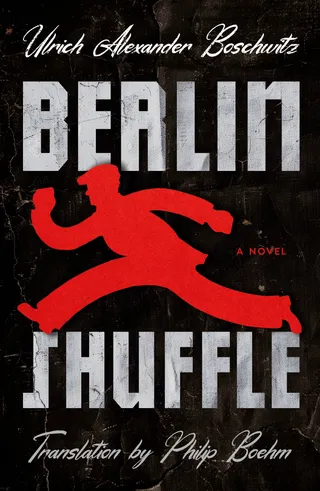
Philip Boehm
Translated by
Philip Boehm has translated more than thirty novels and plays by German and Polish writers, including Herta M�ller, Franz Kafka and Hanna Krall. Nonfiction translations include A Woman in Berlin by Anonymous and Words to Outlive Us, a collection of eyewitness accounts from the Warsaw Ghetto. For these translations he has received numerous awards including fellowships from the NEA and the John Simon Guggenheim Memorial Foundation. He also works as a theater director and playwright: works for the stage include Alma en venta, Mixtitlan, and Return of the Bedbug. He is the founding Artistic Director of Upstream Theater in St. Louis, which in 2010 was awarded a National Theatre Company grant by the American Theatre Wing (Founder of the Tonys).


Why Readwise Books?
Readwise Books is an ebook & audiobook platform that automatically logs how much you and your friends read, making it fun and easy to read more. Learn more →