Report an issue
Tell us what's wrong and we'll take a look.
Thanks – we got it. We'll review and follow up if needed.
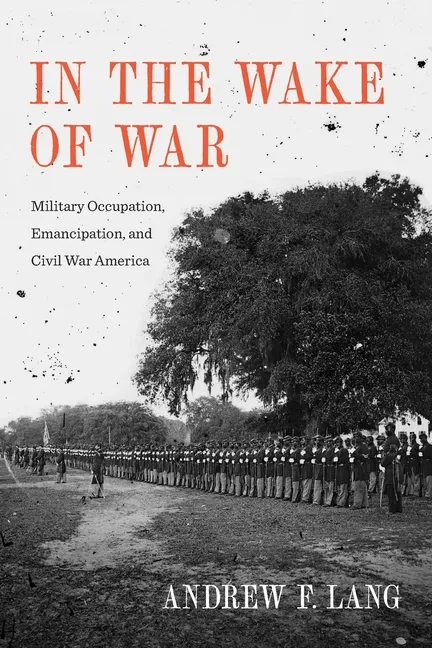
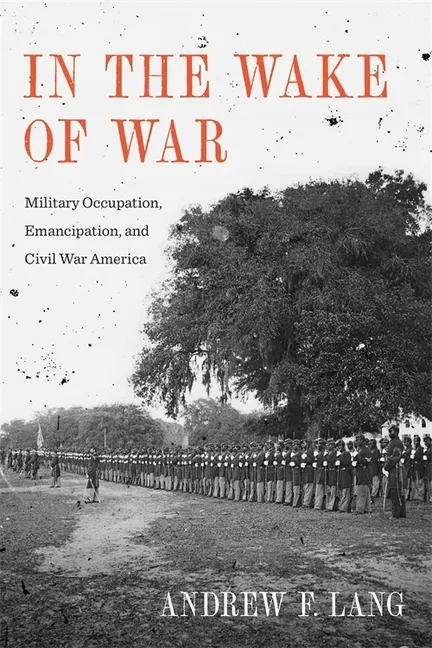
The Civil War era marked the dawn of American wars of military occupation, inaugurating a tradition that persisted through the late nineteenth and early twentieth centuries and that continues to the present. In the Wake of War traces how volunteer and even professional soldiers found themselves tasked with the unprecedented project of wartime and peacetime military occupation, initiating a national debate about the changing nature of American military practice that continued into Reconstruction.
In the Mexican-American War and the Civil War, citizen-soldiers confronted the complicated challenges of invading, occupying, and subduing hostile peoples and nations. Drawing on firsthand accounts from soldiers in United States occupation forces, Andrew F. Lang shows that many white volunteers equated their martial responsibilities with those of standing armies, which were viewed as corrupting institutions hostile to the republican military ethos. With the advent of emancipation came the enlistment of African American troops into Union armies, facilitating an extraordinary change in how provisional soldiers interpreted military occupation. Black soldiers, many of whom had been formerly enslaved, garrisoned regions defeated by Union armies and embraced occupation as a tool for destabilizing the South’s long-standing racial hierarchy. Ultimately, Lang argues, traditional fears about the army’s role in peacetime society, grounded in suspicions of standing military forces and heated by a growing ambivalence about racial equality, governed the trials of Reconstruction.
Focusing on how U.S. soldiers—white and black, volunteer and regular—enacted and critiqued their unprecedented duties behind the lines during the Civil War era, In the Wake of War reveals the dynamic, often problematic conditions of military occupation.
Andrew Lang
Andrew Lang brought ancient tales and myths to life with charm, curiosity, and literary skill. Born in 1844 in Scotland, he became a prolific writer, translator, and collector of folklore from around the world. A deep fascination with storytelling and cultural tradition shaped his philosophy, celebrating the shared imagination of humanity.Myth, legend, and narrative unity define the heart of his work. In collections such as The Blue Fairy Book and the wider Fairy Books series, he gathered stories from many cultures into cohesive and engaging volumes. Fluid storytelling reveals how timeless themes of courage, magic, and transformation connect people across different places and eras.Enduring influence has made him a central figure in the preservation of folklore. Readers across generations have discovered classic fairy tales through his accessible and carefully curated collections. Today, his work remains widely read, valued for its richness, accessibility, and lasting contribution to literary tradition.
More by Andrew Lang








Why Readwise Books?
Readwise Books is an ebook & audiobook platform that automatically logs how much you and your friends read, making it fun and easy to read more. Learn more →