Report an issue
Tell us what's wrong and we'll take a look.
Thanks – we got it. We'll review and follow up if needed.
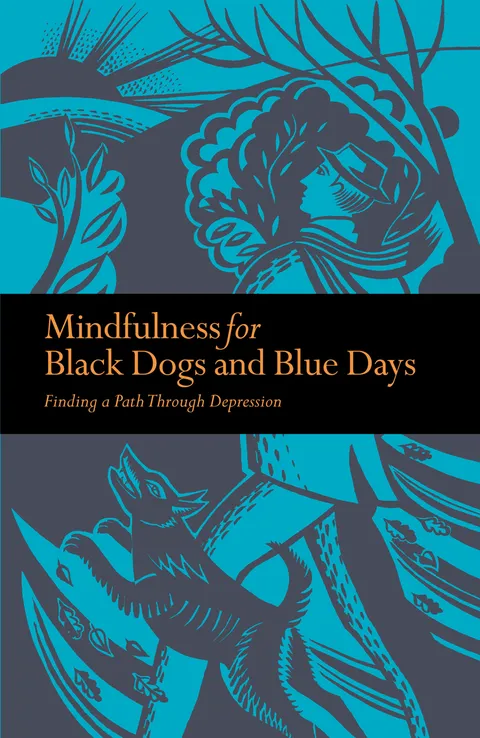
Navigate a way through depression by moving towards the freedom of clear, unelaborated awareness with help from a cognitive behavior psychotherapist. Richard Gilpin shares his ongoing journey with his "black dog" shedding light on this often misunderstood subject—and explores how the art and practice of mindfulness can help to train and mind that faithful companion. The book also includes short contributions from internationally recognized experts in the field of mindfulness. Though we may feel as though we have to win an invisible fight against our own black dogs, Richard Gilpin shows that compassion, acceptance, and mindful meditation can go a long way to helping us understand our feelings and cope better in our darkest days.
Richard Gilpin
English nonconformist preacher and doctor Richard Gilpin (1625-1700) was well known in the north. Isaac Gilpin of Strickland Ketel in the parish of Kendal, Westmorland, and Ann Tonstall, daughter of Ralph Tonstall of Coatham-Mundeville in County Durham, had their second child. He was born in Strickland and baptized in Kendal on October 23, 1625. He went to school at the University of Edinburgh and graduated with an MA on July 30, 1646. There, he first studied medicine and then religion. There is no record of the date or way of his appointment. He began his preaching in Lambeth and continued it at the Savoy as John Wilkins' assistant. When he came back to the north, he preached at Durham. William Morland was locked up in the house of Greystoke, Cumberland, in 1650. A well-known priest named West had been in charge for about two years before he died of consumption. Gilpin took over after him in 1652 or early 1653. There were four chapels in the parish of Greystoke, and Gilpin sent ministers to all of them. His parish was set up like a congregation, with a small group of communicants and a staff of deacons. Cumberland had not yet accepted the Presbyterian system.
More by Richard Gilpin


Why Readwise Books?
Readwise Books is an ebook & audiobook platform that automatically logs how much you and your friends read, making it fun and easy to read more. Learn more →