Report an issue
Tell us what's wrong and we'll take a look.
Thanks – we got it. We'll review and follow up if needed.
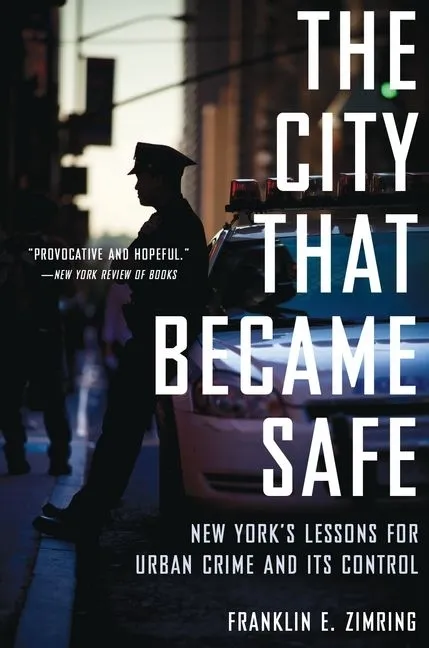
In The City That Became Safe, Franklin E. Zimring seeks out the New York difference through a comprehensive investigation into the city's falling crime rates. The usual understanding is that aggressive police created a zero-tolerance law enforcement regime that drove crime rates down. Is this political sound bite true-are the official statistics generated by the police accurate? Though zero-tolerance policing and quality-of-life were never a consistent part of the NYPD's strategy, Zimring shows the numbers are correct and argues that some combination of more cops, new tactics, and new management can take some credit for the decline. That the police can make a difference at all in preventing crime overturns decades of conventional wisdom from criminologists, but Zimring also points out what most experts have missed: the New York experience challenges the basic assumptions driving American crime- and drug-control policies.
New York has shown that crime rates can be greatly reduced without increasing prison populations. New York teaches that targeted harm reduction strategies can drastically cut down on drug related violence even if illegal drug use remains high. And New York has proven that epidemic levels of violent crime are not hard-wired into the populations or cultures of urban America. This careful and penetrating analysis of how the nation's largest city became safe rewrites the playbook on crime and its control for all big cities.
Franklin E Zimring
Franklin E. Zimring is William G. Simon Professor of Law at the University of California, Berkeley Law School. He is the author of several books, including The City That Became Safe: New York's Lessons for Urban Crime and Its Control and American Juvenile Justice.
More by Franklin E Zimring















Why Readwise Books?
Readwise Books is an ebook & audiobook platform that automatically logs how much you and your friends read, making it fun and easy to read more. Learn more →