Report an issue
Tell us what's wrong and we'll take a look.
Thanks – we got it. We'll review and follow up if needed.

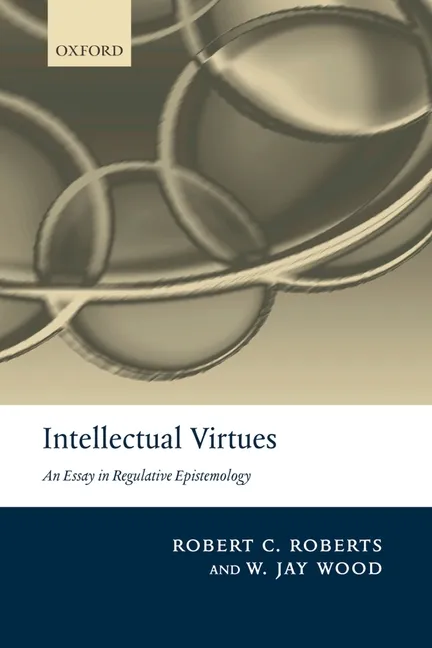
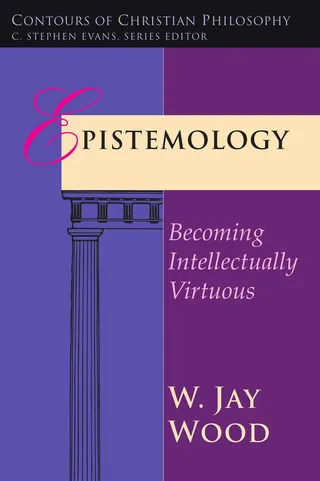
Standing on the shoulders of recent epistemologists--including William Alston, Alvin Plantinga, Ernest Sosa, and Linda Zagzebski--Roberts and Wood pursue epistemological questions by looking closely and deeply at particular traits of intellectual character such as love of knowledge, intellectual autonomy, intellectual generosity, and intellectual humility. Central to their vision is an account of intellectual goods that includes not just knowledge as properly grounded belief, but understanding and personal acquaintance, acquired and shared through the many social practices of actual intellectual life.
This approach to intellectual virtue infuses the discipline of epistemology with new life, and makes it interesting to people outside the circle of professional epistemologists. It is epistemology for the whole intellectual community, as Roberts and Wood carefully sketch the ways in which virtues that would have been categorized earlier as moral make for agents who can better acquire, refine, and communicate important kinds of knowledge.
Robert C Roberts
Roberts, Ph.D., is distinguished professor of ethics at Baylor University in Waco, Texas. He was formerly professor of philosophy and psychological studies at Wheaton College, where he worked on integration aspects of clinical psychology. Author of numerous books and articles, he is currently completing a volume on the moral psychology of emotions.
More by Robert C Roberts


W Jay Wood
W. Jay Wood (1954-2025) (Ph.D., Notre Dame) was Professor of Philosophy Emeritus at Wheaton College, Wheaton, Illinois.
More by W Jay Wood


Why Readwise Books?
Readwise Books is an ebook & audiobook platform that automatically logs how much you and your friends read, making it fun and easy to read more. Learn more →