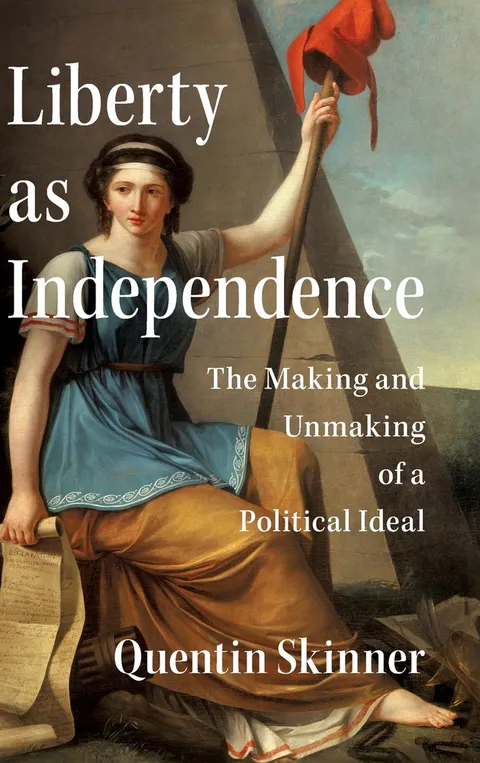
Liberty as Independence
Report an issue
Tell us what's wrong and we'll take a look.
Thanks – we got it. We'll review and follow up if needed.
What does liberty entail? How have concepts of liberty changed over time? And what are the global consequences? This book surveys the history of rival views of liberty from antiquity to modern times. Quentin Skinner traces the understanding of liberty as independence from the classical ideal to early modern Britain, culminating in the claims of the Whig oligarchy to have transformed this idea into reality. Yet, with the Whig vision of a free state and civil society undermined by the American Revolution of 1776, Skinner explores how claims that liberty was fulfilled by an absence of physical or coercive restraint came to prominence. Liberty as Independence examines new dimensions of these rival views, considering the connections between debates on liberty and debates on slavery, and demonstrating how these ideas were harnessed in feminist discussions surrounding limitations on the liberty of women. The concept of liberty is inherently global, and Skinner argues strongly for the reinstatement of the understanding of liberty as independence.
Quentin Skinner
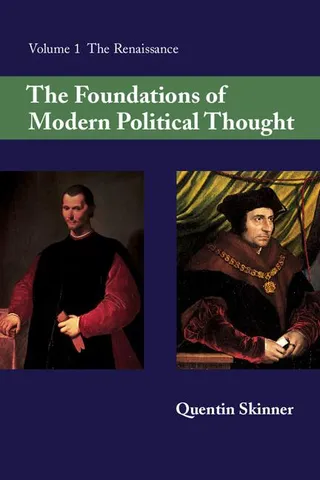
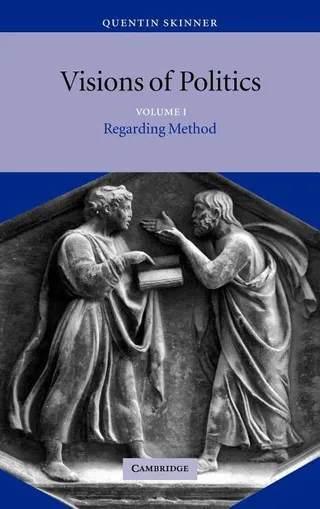
Quentin Skinner is Barber Beaumont Professor of the Humanities at Queen Mary University of London. He was a Fellow at the Institute for Advanced Study at Princeton University between 1974 and 1979 and Regius Professor of History at the University of Cambridge between 1996 and 2008. He is a Fellow of the British Academy and a foreign member of many other national academies, including the Academia Europea, the American Academy and the Accademia Nazionale dei Lincei. His scholarship, which is available in more than two dozen languages, has won him many awards, including the Wolfson History Prize, the Bielefeld Wissenschaftspreis and a Balzan Prize. He has been the recipient of honorary degrees from numerous leading universities, including Athens, Chicago, Harvard and Oxford. His two-volume study, The Foundations of Modern Political Thought (Cambridge, 1979), was listed by The Times Literary Supplement in 1996 as one of the hundred most influential books published since World War II. His other books include Reason and Rhetoric in the Philosophy of Hobbes (Cambridge, 1996), Liberty before Liberalism (Cambridge, 1997), Machiavelli (2000), Hobbes and Republican Liberty (Cambridge, 2008), Forensic Shakespeare (2014), From Humanism to Hobbes (Cambridge, 2018) and a three-volume collection of essays, Visions of Politics (Cambridge, 2002).
More by Quentin Skinner


Why Readwise Books?
Readwise Books is an ebook & audiobook platform that automatically logs how much you and your friends read, making it fun and easy to read more. Learn more →