Report an issue
Tell us what's wrong and we'll take a look.
Thanks – we got it. We'll review and follow up if needed.
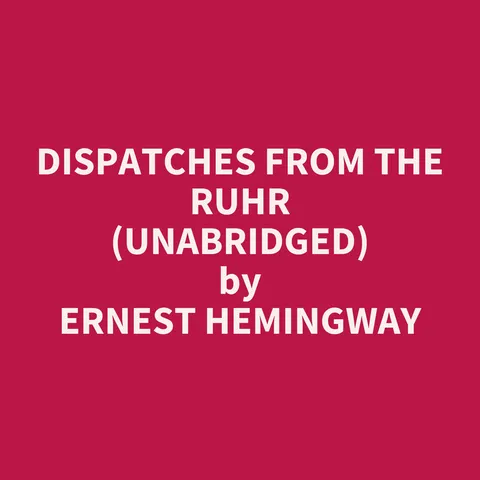
Before finding celebrity as an author, including his 1954 Nobel Prize, Ernest M. Hemingway honed his craft as a journeyman reporter. In the spring of 1923, as a special correspondent for the Toronto Star, he travelled to the occupied Ruhr Valley where he produced a series of 10 articles, collected here as Dispatches from the Ruhr. In them, he explores the French political system and its role in the decision to occupy the Ruhr Valley militarily, in an effort to collect on unsustainable war reparations. In addition, he examines the suffering of its ordinary citizens, as conditions there led to a progressive loss of confidence in the Weimar Republic; its economic collapse under the weight of hyper-inflation; and, ultimately, to the rise of Nazism. It is worth reading as both a case study on the unintended consequences of military occupation and a master class in the development of Hemingway’s characteristic prose style.
Ernest Hemingway
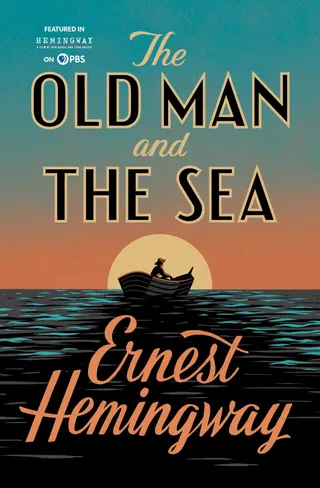
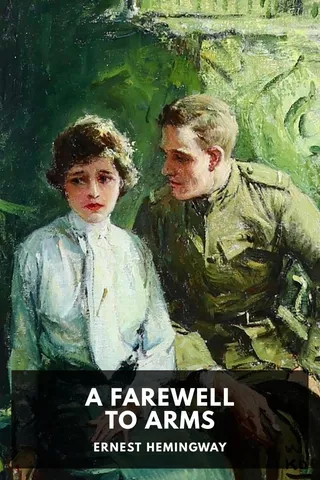
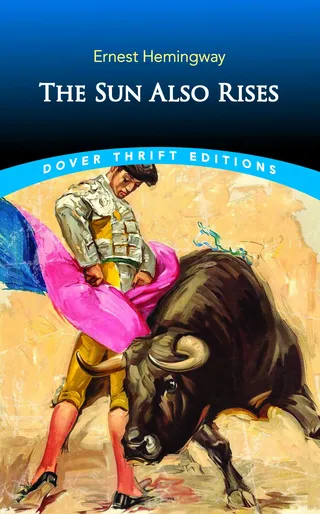
Ernest Hemingway is regarded as one of the most influential writers of the twentieth century. He was awarded the Pulitzer Prize in 1953 and the Nobel Prize in Literature in 1954. Some of his best-known works include For Whom the Bell Tolls, The Sun Also Rises, The Old Man and the Sea, and A Farewell to Arms. Hemingway passed away in July 1961.
More by Ernest Hemingway




Why Readwise Books?
Readwise Books is an ebook & audiobook platform that automatically logs how much you and your friends read, making it fun and easy to read more. Learn more →