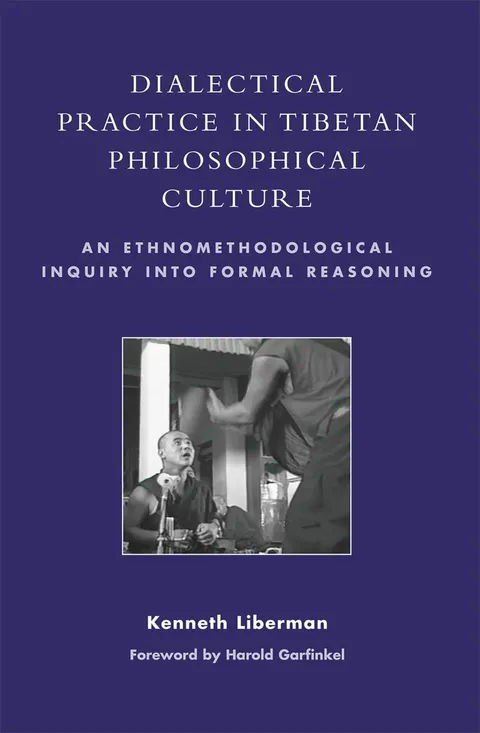
Dialectical Practice in Tibetan Philosophical Culture
An Ethnomethodological Inquiry into Formal Reasoning
Report an issue
Tell us what's wrong and we'll take a look.
Thanks – we got it. We'll review and follow up if needed.
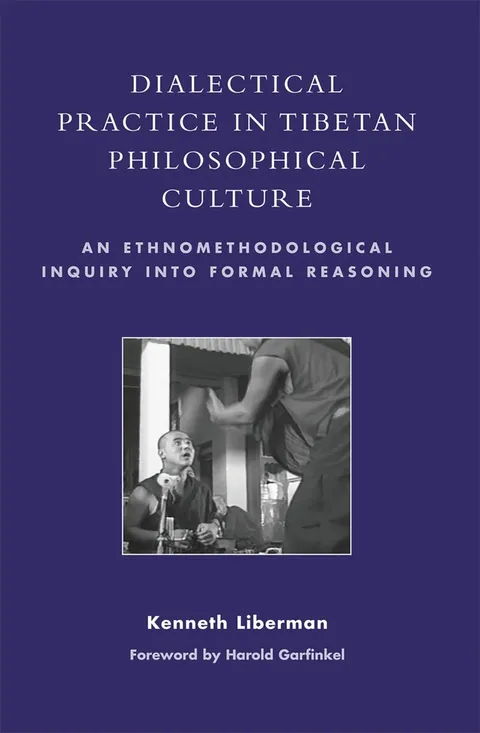
Tibetan Buddhist scholar-monks have long engaged in face-to-face public philosophical debates. This original study challenges Orientalist text-based scholarship, which has overlooked these lived practices of Tibetan dialectics. Kenneth Liberman brings these dynamic disputations to life for the modern reader through a richly detailed, turn-by-turn analysis of the monks' formal philosophical reasoning. He argues that Tibetan Buddhists deliberately organize their debates into formal structures that both empower and constrain thinking, skillfully using logic as an interactional tool to organize their reflections. During his three years in residence at Tibetan monastic universities, Liberman observed and videotaped the monks' debates. He then transcribed, translated, and analyzed them using multimedia software and ethnomethodological techniques, which enabled him to scrutinize the local methods that Tibetan debaters use to keep their philosophical inquiries alive. His study shows the monks rely on such indigenous dialectical methods as extending an opponent's position to its absurd consequences, 'pulling the rug out' from under an opponent, and other lively strategies. This careful investigation of the formal philosophical work of Tibetan scholars is a pathbreaking analysis of an important classical tradition.
Kenneth Liberman
Kenneth Liberman is Professor Emeritus of Sociology at the University of Oregon. His many books include More Studies in Ethnomethodology, also published by SUNY Press.
More by Kenneth Liberman


Why Readwise Books?
Readwise Books is an ebook & audiobook platform that automatically logs how much you and your friends read, making it fun and easy to read more. Learn more →