Report an issue
Tell us what's wrong and we'll take a look.
Thanks – we got it. We'll review and follow up if needed.
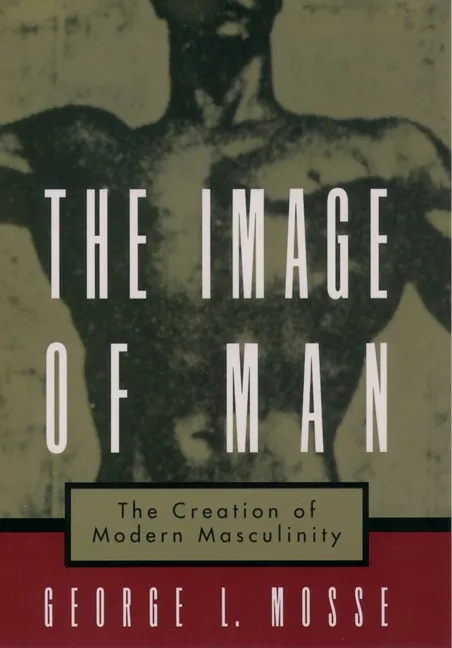
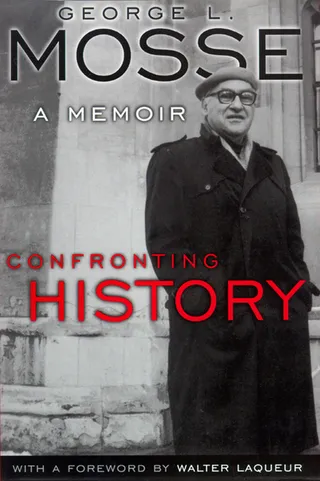
What does it mean to be a man? What does it mean to be manly? How has our notion of masculinity changed over the years? In this book, noted historian George L. Mosse provides the first historical account of the masculine stereotype in modern Western culture, tracing the evolution of the idea of manliness to reveal how it came to embody physical beauty, courage, moral restraint, and a strong will. This stereotype, he finds, originated in the tumultuous changes of the eighteenth century, as Europe's dominant aristocrats grudgingly yielded to the rise of the professional, bureaucratic, and commercial middle classes. Mosse reveals how the new bourgeoisie, faced with a bewildering, rapidly industrialized world, latched onto the knightly ideal of chivalry. He also shows how the rise of universal conscription created a "soldierly man" as an ideal type. In bringing his examination up to the present, Mosse studies the key historical roles of the so-called "fairer sex" (women) and "unmanly men" (Jews and homosexuals) in defining and maintaining the male stereotype, and considers the possible erosion of that stereotype in our own time.
George L Mosse
George L. Mosse (1918-99) was a legendary scholar, teacher, and mentor. A refugee from Nazi Germany, in 1955 he joined the Department of History at the University of Wisconsin-Madison, where he was both influential and popular. Mosse was an early leader in the study of modern European cultural and intellectual history, the study of fascism, and the history of sexuality and masculinity. Over his career, he authored more than two dozen books.
More by George L Mosse












Why Readwise Books?
Readwise Books is an ebook & audiobook platform that automatically logs how much you and your friends read, making it fun and easy to read more. Learn more →