Report an issue
Tell us what's wrong and we'll take a look.
Thanks – we got it. We'll review and follow up if needed.
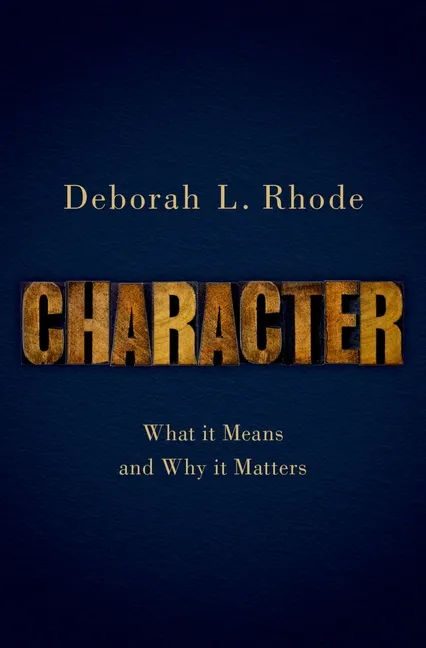
After first exploring the history of the concept over time, Deborah Rhode turns her focus to the institutions that have traditionally fostered good character: families, schools, youth organizations, civic groups, and political organizations. However, as we have increasingly de-emphasized the subject-a trend that is most evident in our politics-our awareness of its shaping influence has waned. Indeed, we often focus on the wrong things when it comes to fostering good character. For instance, almost a third of the workforce is covered by licensing laws requiring good moral character, even occupations where the need for screening is not self-evident: florist, fortune teller, and frog farmers. Character also plays a pivotal role in the criminal justice system, in defining guilt, punishment, and eligibility for parole. All too often, these legal requirements are idiosyncratic, inequitable, and subject to race and class bias. Millions of Americans who have convictions for minor offenses are excluded from a vast range of occupations and benefits without evidence that such exclusion serves the public interest. We can do better, she stresses, and outlines a powerful program for reform.
Rhode punctuates the book through a series of portraits of exemplary individuals whose good character made them who they were: Ida B. Wells, Jane Addams, Martin Luther King, Mother Teresa, Nelson Mandela, Albert Schweitzer, and Thurgood Marshall. All of these individuals had flaws, but through their commitments to both social justice and helping the less fortunate, they all demonstrate the power and importance of strong character.






Why Readwise Books?
Readwise Books is an ebook & audiobook platform that automatically logs how much you and your friends read, making it fun and easy to read more. Learn more →