Report an issue
Tell us what's wrong and we'll take a look.
Thanks – we got it. We'll review and follow up if needed.
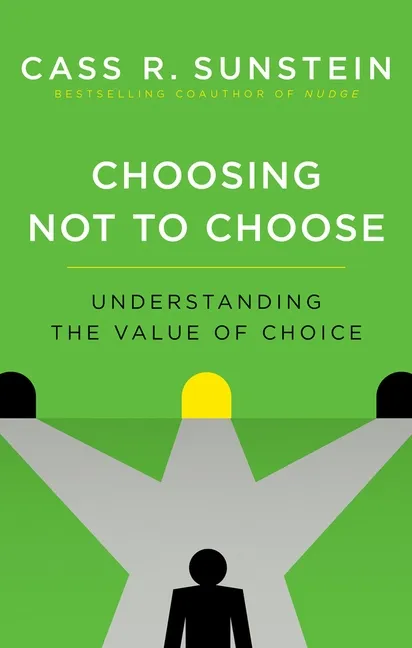
Choice can also be a burden. Our cognitive capacity to research and make the best decisions is limited, so every active choice comes at a cost. In modern life the requirement to make active choices can often be overwhelming. So, across broad areas of our lives, from health plans to energy suppliers, many of us choose not to choose. By following our default options, we save ourselves the costs of making active choices. By setting those options, governments and corporations dictate the outcomes for when we decide by default. This is among the most significant ways in which they effect social change, yet we are just beginning to understand the power and impact of default rules. Many central questions remain unanswered: When should governments set such defaults, and when should they insist on active choices? How should such defaults be made? What makes some defaults successful while others fail?
Cass R. Sunstein has long been at the forefront of developing public policy and regulation to use government power to encourage people to make better decisions. In this major new book, Choosing Not to Choose, he presents his most complete argument yet for how we should understand the value of choice, and when and how we should enable people to choose not to choose.
The onset of big data gives corporations and governments the power to make ever more sophisticated decisions on our behalf, defaulting us to buy the goods we predictably want, or vote for the parties and policies we predictably support. As consumers we are starting to embrace the benefits this can bring. But should we? What will be the long-term effects of limiting our active choices on our agency? And can such personalized defaults be imported from the marketplace to politics and the law? Confronting the challenging future of data-driven decision-making, Sunstein presents a manifesto for how personalized defaults should be used to enhance, rather than restrict, our freedom and well-being.
Cass R Sunstein
Cass R. Sunstein is the Robert Walmsley University Professor at Harvard and the founder and director of the Program on Behavioral Economics and Public Policy at Harvard Law School. He is the author of hundreds of articles and dozens of books, including Impeachment: A Citizen's Guide, Nudge (with Richard Thaler), Law and Leviathan (with Adrian Vermeule), How to Interpret the Constitution, On Freedom, and Can It Happen Here? Authoritarianism in America. He is a recipient of the Holberg Prize, sometimes described as the equivalent of the Nobel Prize for the humanities and social sciences.
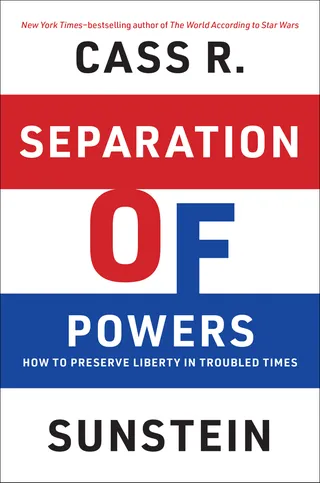
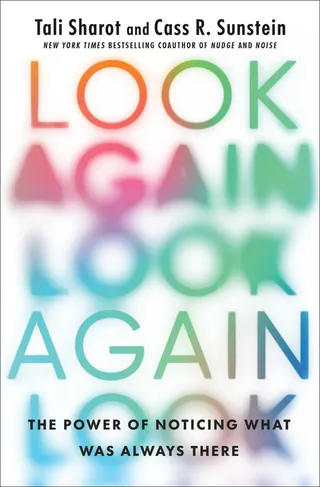
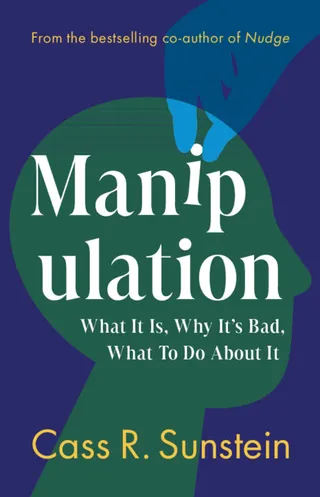
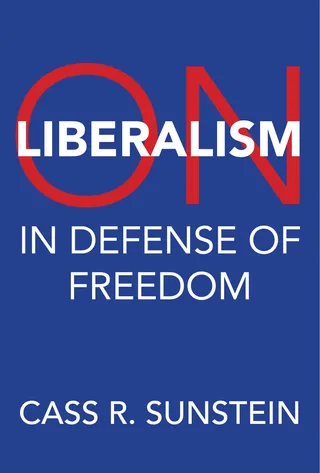
More by Cass R Sunstein


Why Readwise Books?
Readwise Books is an ebook & audiobook platform that automatically logs how much you and your friends read, making it fun and easy to read more. Learn more →