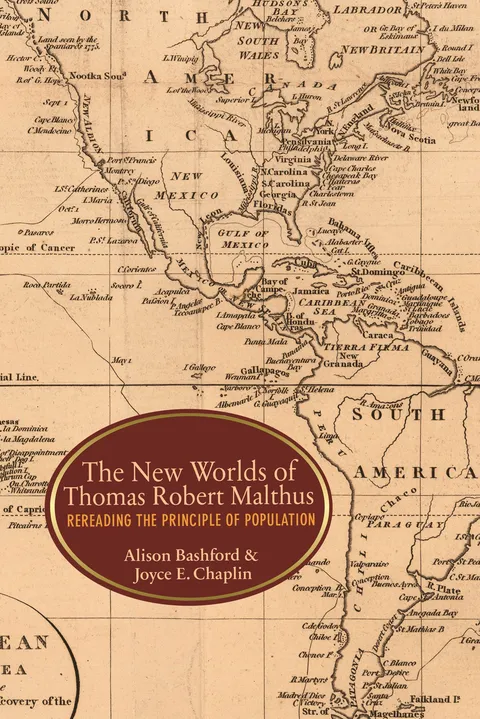
The New Worlds of Thomas Robert Malthus
Rereading the Principle of Population
Report an issue
Tell us what's wrong and we'll take a look.
Thanks – we got it. We'll review and follow up if needed.
An ambitious global history that fundamentally alters our understanding of Malthus
The New Worlds of Thomas Robert Malthus is a sweeping global and intellectual history that radically recasts our understanding of Malthus's Essay on the Principle of Population, the most famous book on population ever written or ever likely to be. Malthus's Essay is also persistently misunderstood. First published anonymously in 1798, the Essay systematically argues that population growth tends to outpace its means of subsistence unless kept in check by factors such as disease, famine, or war, or else by lowering the birth rate through such means as sexual abstinence.
Challenging the widely held notion that Malthus's Essay was a product of the British and European context in which it was written, Alison Bashford and Joyce Chaplin demonstrate that it was the new world, as well as the old, that fundamentally shaped Malthus's ideas. They explore what the Atlantic and Pacific new worlds—from the Americas and the Caribbean to New Zealand and Tahiti—meant to Malthus, and how he treated them in his Essay. Bashford and Chaplin reveal how Malthus, long vilified as the scourge of the English poor, drew from his principle of population to conclude that the extermination of native populations by European settlers was unjust.
Elegantly written and forcefully argued, The New Worlds of Thomas Robert Malthus relocates Malthus's Essay from the British economic and social context that has dominated its reputation to the colonial and global history that inspired its genesis.
Alison Bashford
Alison Bashford is Scientia Professor in History and director of the Laureate Centre for History & Population at the University of New South Wales. She is Honorary Fellow of Jesus College, Cambridge. Her celebrated books connect the history of science, global history, and environmental history into new assessments of the modern world, from the eighteenth to the twentieth centuries.
More by Alison Bashford
Joyce E. Chaplin
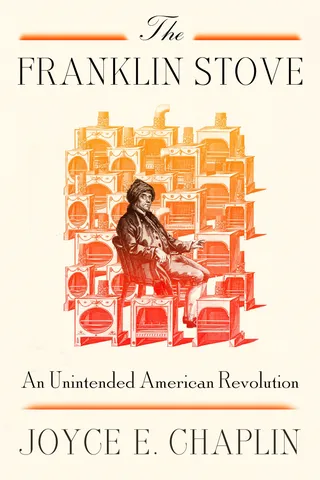
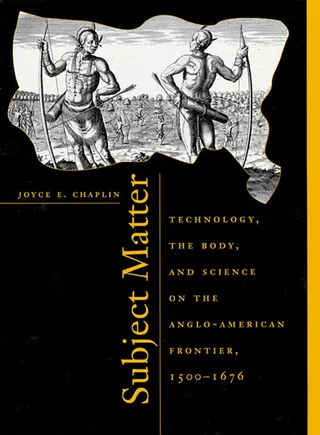
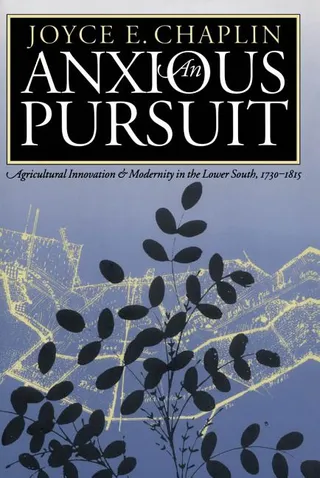
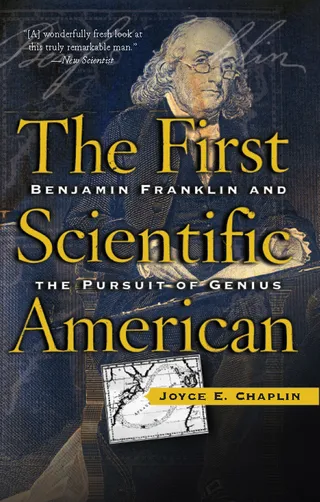
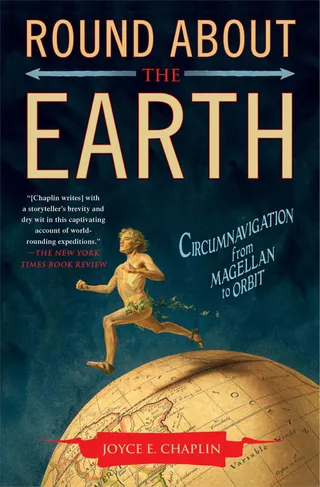
Joyce E. Chaplin is the James Duncan Phillips Professor of History at Harvard University. She is the author of books including Subject Matter, Benjamin Franklin's Political Arithmetic, An Anxious Pursuit, and The First Scientific American, which was a finalist for the Los Angeles Times Book Prize and winner of the Annibel Jenkins Prize of American Society for Eighteenth-Century Studies.
More by Joyce E. Chaplin


Why Readwise Books?
Readwise Books is an ebook & audiobook platform that automatically logs how much you and your friends read, making it fun and easy to read more. Learn more →