Report an issue
Tell us what's wrong and we'll take a look.
Thanks – we got it. We'll review and follow up if needed.
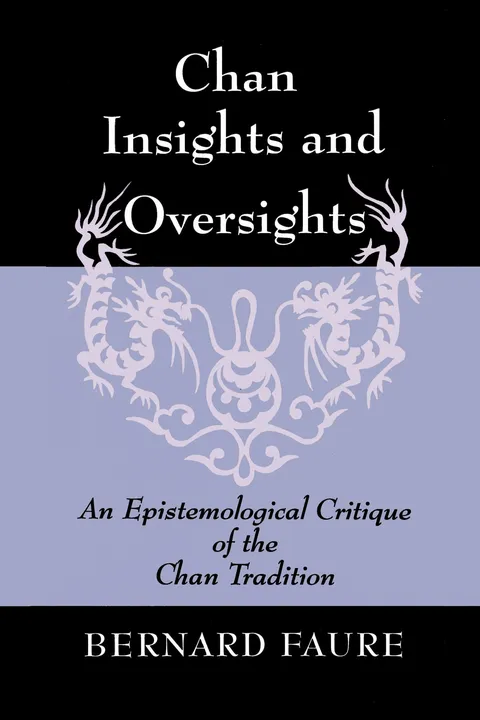
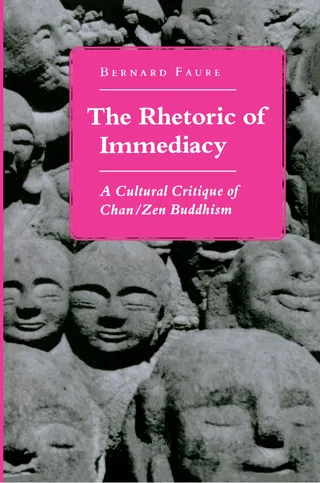
For many people attracted to Eastern religions (particularly Zen Buddhism), Asia seems the source of all wisdom. As Bernard Faure examines the study of Chan/Zen from the standpoint of postmodern human sciences and literary criticism, he challenges this inversion of traditional "Orientalist" discourse: whether the Other is caricatured or idealized, ethnocentric premises marginalize important parts of Chan thought. Questioning the assumptions of "Easterners" as well, including those of the charismatic D. T. Suzuki, Faure demonstrates how both West and East have come to overlook significant components of a complex and elusive tradition. Throughout the book Faure reveals surprising hidden agendas in the modern enterprise of Chan studies and in Chan itself. After describing how Jesuit missionaries brought Chan to the West, he shows how the prejudices they engendered were influenced by the sectarian constraints of Sino-Japanese discourse. He then assesses structural, hermeneutical, and performative ways of looking at Chan, analyzes the relationship of Chan and local religion, and discusses Chan concepts of temporality, language, writing, and the self. Read alone or with its companion volume, The Rhetoric of Immediacy, this work offers a critical introduction not only to Chinese and Japanese Buddhism but also to "theory" in the human sciences.
Bernard Faure
Bernard Faure is Emeritus Kao Professor in Japanese Religion at Columbia University and Emeritus George Edwin Burnell Professor of Religious Studies at Stanford University.
More by Bernard Faure


Why Readwise Books?
Readwise Books is an ebook & audiobook platform that automatically logs how much you and your friends read, making it fun and easy to read more. Learn more →