
Report an issue
Tell us what's wrong and we'll take a look.
Thanks – we got it. We'll review and follow up if needed.
Chronic stress exposure and its pathological body-related consequences have been studied for decades. Data consistently support the hypothesis that being exposed to severe and/or long-lasting stressors heightens the risk for developing a mental or a physical disease, which can be summarized as an overall increased vulnerability to adverse health conditions. Notably, the reported stress-related health consequences differ in their characteristics and include physiological states associated with a suppressed immune defense and anti-inflammatory environment (exemplified e.g. by an increased susceptibility to infections), likewise such as states of a pathological overactive immune system (exemplified e.g. by autoimmune diseases). According to preliminary theories, one pathway of stress exposure entering the body is via the hypothalamus pituitary adrenal (HPA) axis, which is well documented for creating an endocrine stress response. The endocrine stress response adapts the organism to the confrontation with a stressor. Additionally, the immune system provides an immunologic stress response to support the organism's integrity in anticipation of potential physical consequences (e.g. injury). The HPA axis and the immune system are interactive systems which are in reciprocal communication with each other, constantly sending messages created for instance by the HPA axis effector hormone cortisol and by molecules derived from the immune system. The initially health-supporting endocrine and immunologic stress responses are hypothesized to result in health-challenging alterations in the face of severely adverse and/or chronic stressors, which suggests that stress exposure cannot only enter but also remain in the body.
Bachman
In his 'lifetime', Richard Bachman published five novels. A sixth, THE REGULATORS, was published after he died of pseudonym cancer (a relatively painless way to go) in 1985. He developed a cult following both before and after his death. Two of his novels (THINNER and THE RUNNING MAN) were made into motion pictures.
BLAZE--both brutal and sensitive--is his final legacy. The last of the Bachman novels, written in 1973 and published for the first time. Stephen King's 'dark half' may have saved the best for last.
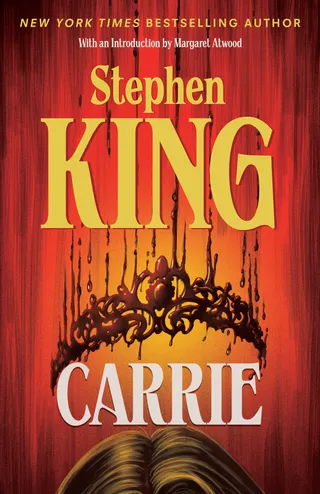
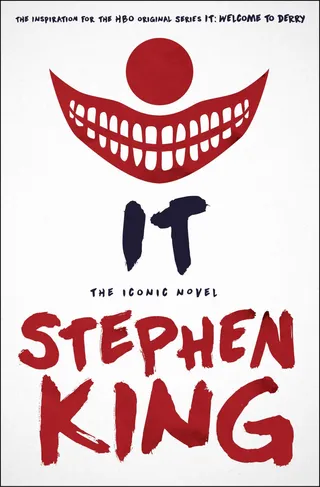
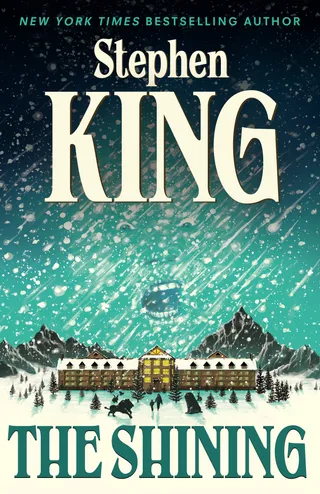
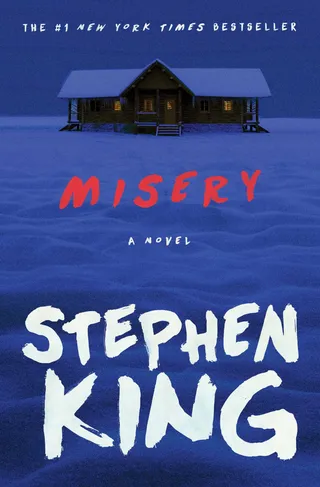
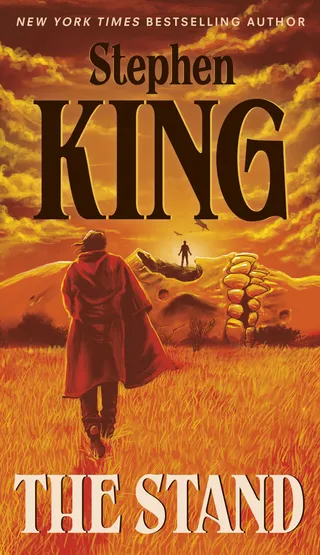
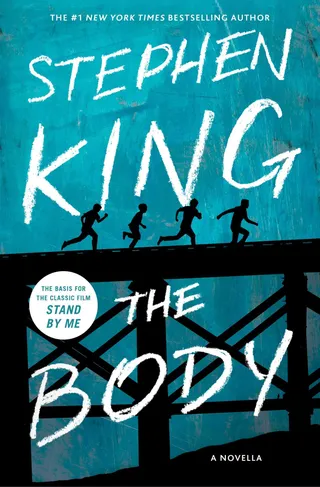
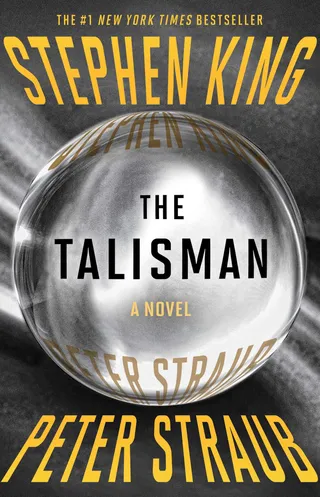
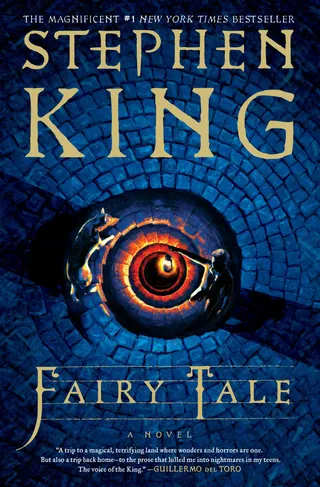
More by Bachman






Why Readwise Books?
Readwise Books is an ebook & audiobook platform that automatically logs how much you and your friends read, making it fun and easy to read more. Learn more →