Report an issue
Tell us what's wrong and we'll take a look.
Thanks – we got it. We'll review and follow up if needed.
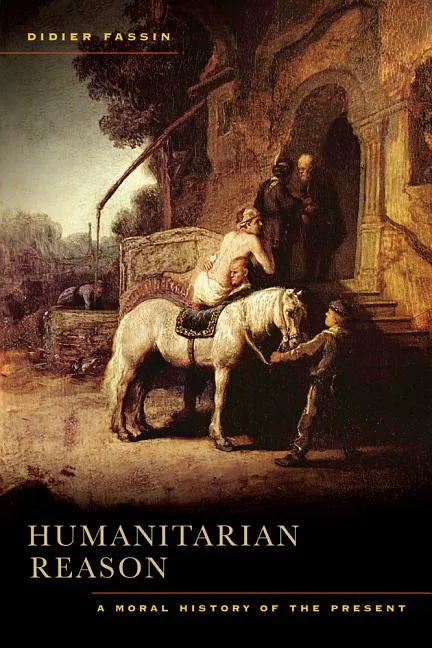
In the face of the world’s disorders, moral concerns have provided a powerful ground for developing international as well as local policies. Didier Fassin draws on case materials from France, South Africa, Venezuela, and Palestine to explore the meaning of humanitarianism in the contexts of immigration and asylum, disease and poverty, disaster and war. He traces and analyzes recent shifts in moral and political discourse and practices — what he terms "humanitarian reason"— and shows in vivid examples how humanitarianism is confronted by inequality and violence. Deftly illuminating the tensions and contradictions in humanitarian government, he reveals the ambiguities confronting states and organizations as they struggle to deal with the intolerable. His critique of humanitarian reason, respectful of the participants involved but lucid about the stakes they disregard, offers theoretical and empirical foundations for a political and moral anthropology.
Didier Fassin
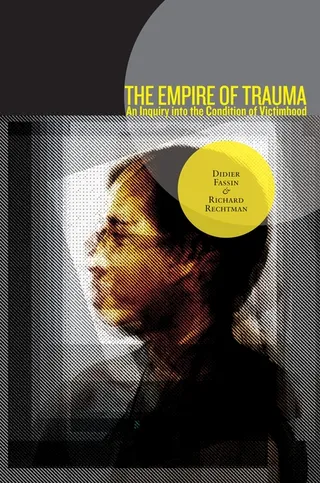
Didier Fassin is the James D. Wolfensohn Professor of Social Science at the Institute for Advanced Study in Princeton. He is the author of When Bodies Remember: Experiences of AIDS in South Africa (UC Press) and coauthor of The Empire of Trauma: An Inquiry into the Condition of Victimhood.
More by Didier Fassin







Why Readwise Books?
Readwise Books is an ebook & audiobook platform that automatically logs how much you and your friends read, making it fun and easy to read more. Learn more →