Report an issue
Tell us what's wrong and we'll take a look.
Thanks – we got it. We'll review and follow up if needed.
Selected by Choice magazine as an Outstanding Academic Title
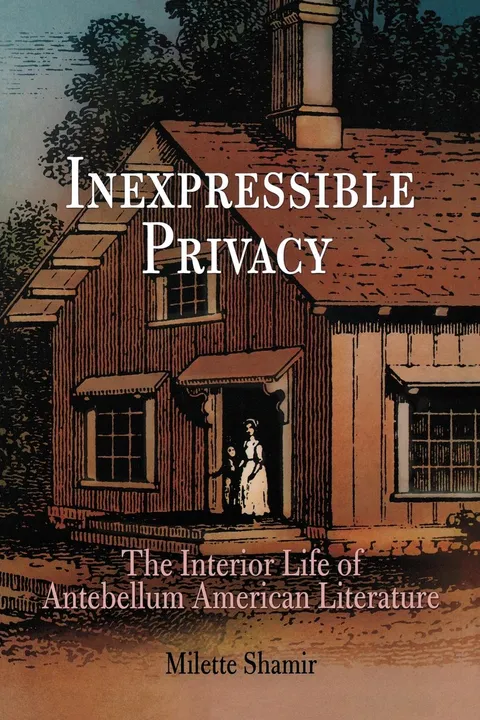
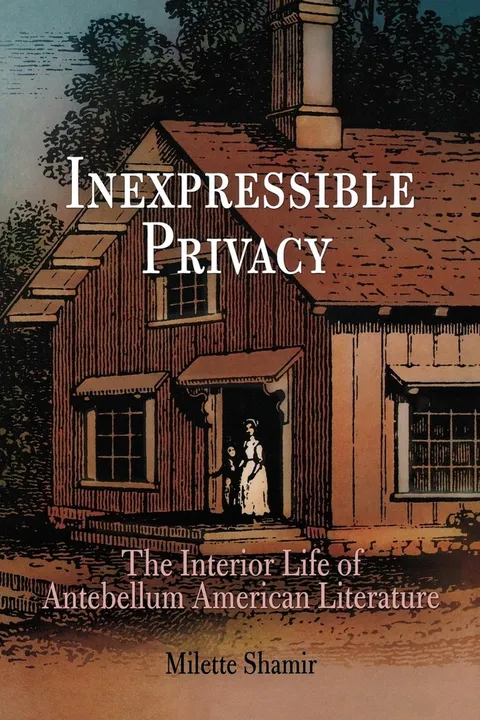
Few concepts are more widely discussed or more passionately invoked in American public culture than that of privacy. What these discussions have lacked, however, is a historically informed sense of privacy's genealogy in U.S. culture. Now, Milette Shamir traces this peculiarly American obsession back to the middle decades of the nineteenth century, when our modern understanding of privacy took hold.
Shamir explores how various discourses, as well as changes in the built environment, worked in tandem to seal, regulate, and sanctify private spaces, both domestic and subjective. She offers revelatory readings of texts by Nathaniel Hawthorne, Frederick Douglass, Herman Melville, Harriet Beecher Stowe, Henry David Thoreau, and other, less familiar antebellum writers and looks to a wide array of sources, including architectural blueprints for private homes, legal cases in which a "right to privacy" supplements and exceeds property rights, examples of political rhetoric vaunting the sacred inviolability of personal privacy, and conduct manuals prescribing new codes of behavior to protect against intrusion.


Why Readwise Books?
Readwise Books is an ebook & audiobook platform that automatically logs how much you and your friends read, making it fun and easy to read more. Learn more →