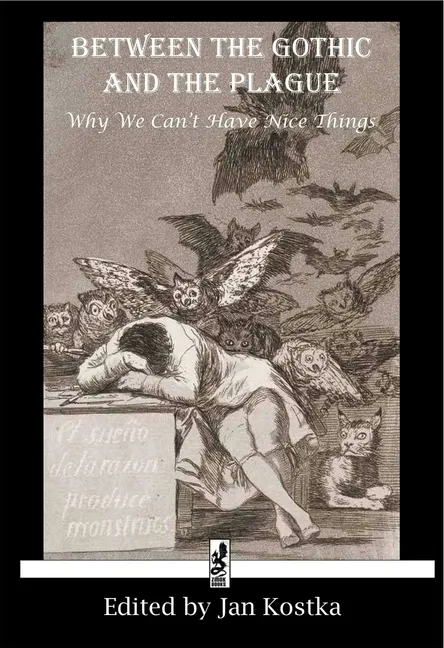
Between the Gothic and the Plague
Why we can't have nice things
Report an issue
Tell us what's wrong and we'll take a look.
Thanks – we got it. We'll review and follow up if needed.
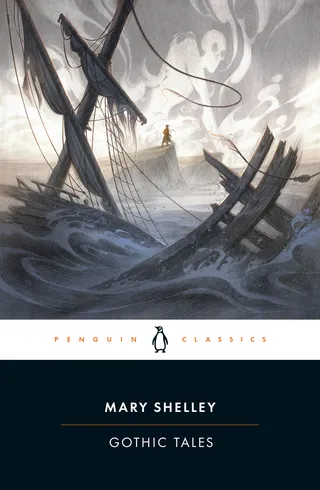
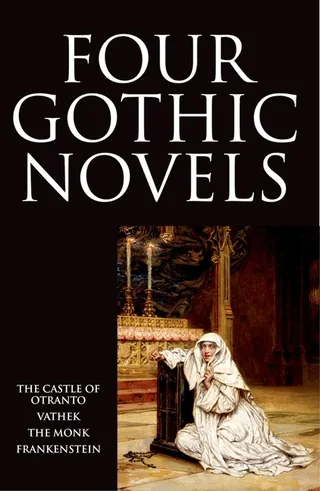
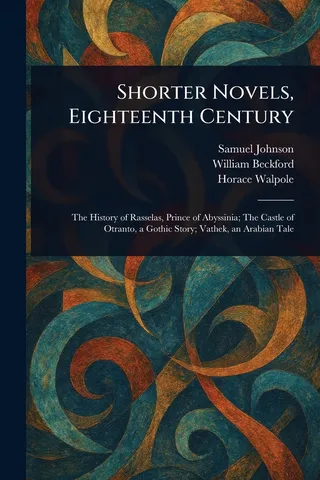
This volume contains five stories - some short, some long. Each that builds upon the heritage of the other. It starts with The Castle of Ontarato (1764) by Horace Walpole which is considered the first, "Gothic Novel"; Vathek, An Arabian Tale (1782) by William Beckford, was influenced by Walpole and Arabian Nights; The Last Man (1826) by Mary Shelley carries on the theme of the previous works, but could be viewed as one of the first science fiction post-apocalyptic novels; The Masque of the Red Death (1842) by Edgar Allen Poe also focuses on apocalyptic forces and society's efforts (or lack thereof) to deal with it. Finally, The Scarlet Plague (1912) by Jack London describes a world-wide pandemic that humanity cannot control. Even the cover illustration, The Sleep of Reason Produces Monsters, by Goya is influenced by the Gothic art and forms a sort of double-entendre of monsters made in our mind and by doing nothing.
Mary Shelley
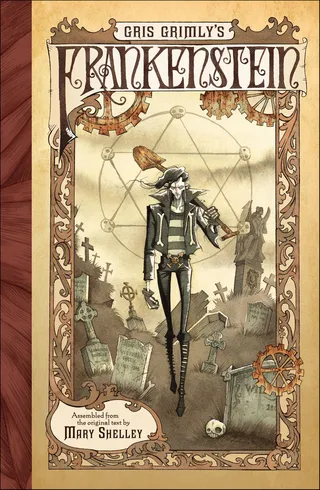
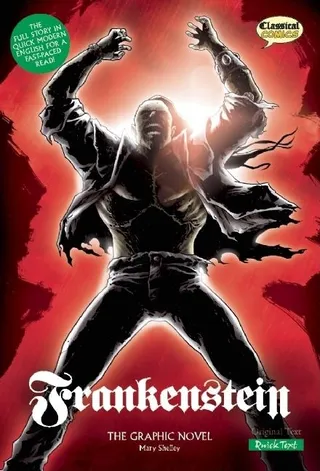
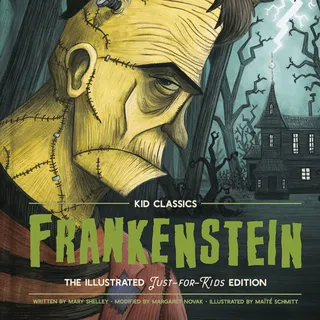
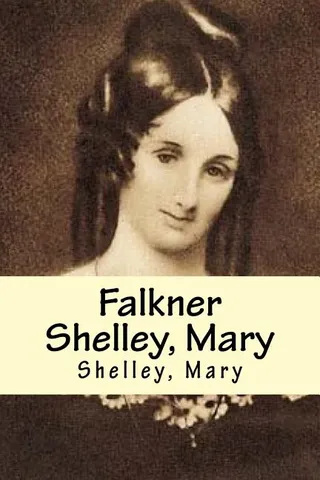
Mary Wollstonecraft Shelley was born on August 30, 1797, into a life of personal tragedy. In 1816, she married the poet Percy Bysshe Shelley, and that summer traveled with him and a host of other Romantic intellectuals to Geneva. Her greatest achievement was piecing together one of the most terrifying and renowned stories of all time: Frankenstein; or, The Modern Prometheus. Shelley said she conceived of Frankenstein in “a waking dream.” This vision was simply of a student kneeling before a corpse brought to life. Yet this tale of a mad creator and his abomination has inspired a multitude of storytellers and artists. She died on February 1, 1851.
More by Mary Shelley






















Why Readwise Books?
Readwise Books is an ebook & audiobook platform that automatically logs how much you and your friends read, making it fun and easy to read more. Learn more →