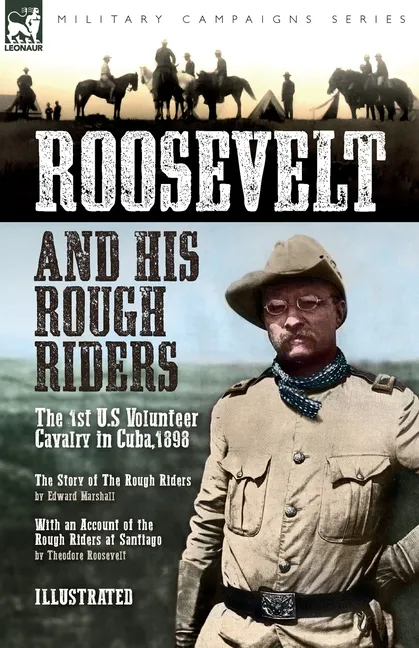
Roosevelt & His Rough Riders
The 1st U.S Volunteer Cavalry in Cuba,1898
Report an issue
Tell us what's wrong and we'll take a look.
Thanks – we got it. We'll review and follow up if needed.
The indelible deeds and actions of the men of the Volunteer Cavalry
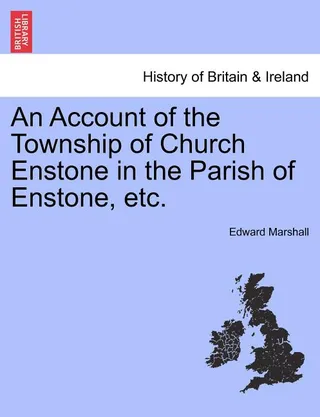
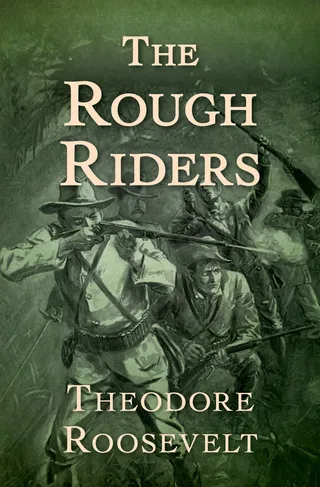
This account of the services of the famous, 'Rough Riders' was written by Edward Marshall, a journalist of the New York Journal who accompanied the Rough Riders into battle and, indeed, was seriously wounded and incapacitated in consequence. Raised in 1898 the regiment saw action in Cuba during The Spanish-American War, though as infantry. Theodore Roosevelt (originally second in command) became its famous commanding officer. As most readers interested in this subject are aware, the original plan for the regiment was to recruit frontiersmen from the Western states, but its ranks soon attracted volunteers from the Eastern states including members of high society who were also accomplished horsemen, fine shots and keen for combat. The Rough Riders saw their share of action, but are principally remembered for their dashing assault on San Juan Hill. The affair conjured an iconic image of the emergent United States of America as it entered the world stage of politics and power in the spirit of what had formed the nation. Theodore Roosevelt became an abiding national hero. This fascinating history of The Rough Riders is accompanied in this Leonaur edition by an account of their famous charge written by Roosevelt based on his own experiences.

Theodore Roosevelt
Theodore Roosevelt, commonly known as Teddy or T. R., was born on October 27, 1858, in New York City at the Theodore Roosevelt Birthplace National Historic Site. He served as the 26th president of the United States from September 14, 1901, to March 4, 1909. He was a member of the Republican Party, was known for his progressive policies, including trust-busting, conservation efforts, and the establishment of national parks. Before becoming president, Roosevelt had a long and varied political career. He served as the 33rd governor of New York, a position he held from 1899 to 1900. His leadership in New York helped catapult him to national prominence. He also served as vice president under McKinley from 1901 until becoming president. Roosevelt remained active in public life, running again for president in 1912 as a third-party candidate for the Progressive Party, although he did not win. He died on January 6, 1919, at the age of 60, at his home in Sagamore Hill National Historic Site in Cove Neck, New York. Roosevelt's legacy continues to be celebrated for his contributions to American politics, foreign policy, and conservation.
More by Theodore Roosevelt


Why Readwise Books?
Readwise Books is an ebook & audiobook platform that automatically logs how much you and your friends read, making it fun and easy to read more. Learn more →