Report an issue
Tell us what's wrong and we'll take a look.
Thanks – we got it. We'll review and follow up if needed.
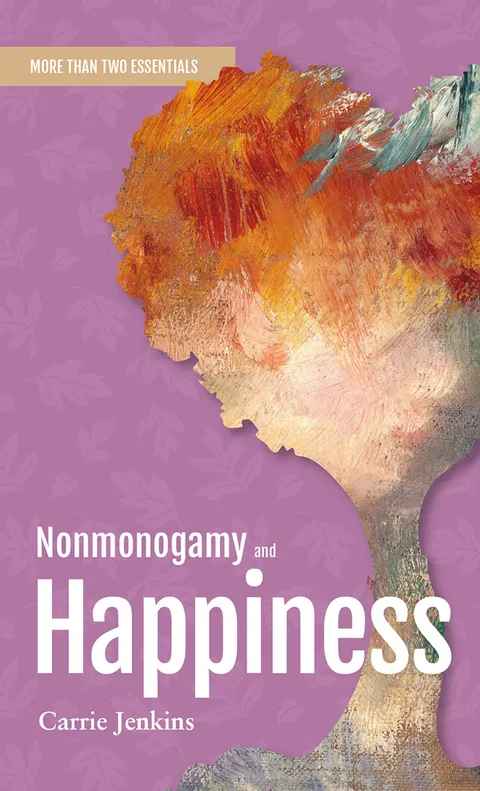
A philosophical exploration of what happiness is and the search for meaning in nonmonogamous relationships.
The love story we're all familiar with ends with " ... and they lived happily ever after." But how often do we hear a nonmonogamous love story with that ending? In all kinds of contexts, nonmonogamous happiness is erased. From the ubiquitous "friend who tried it once and it didn't end well" to Dan Savage's long-term jokes about never being invited to a polyamorous third wedding anniversary, we are repeatedly assured that nonmonogamy leads to misery.
In "real" love, we are taught to expect the opposite: to expect happiness. When we want to ask if someone's relationship is going well, we ask if they are "happy with" their partner. We might even ask whether their partner makes them happy. But what does love have to do with happiness?
Doesn't love have space to accommodate the full range of emotional experience? Carrie Jenkins thinks it does, or at least it can. She draws connections between the expectation that love will make us happy and the undue focus on positive emotions to the exclusion of "negative" ones. She argues that love--monogamous or otherwise--might better aim at being eudaimonic than at being happy, and that we have a better chance of achieving this if we are able to make relationship choices free from the prejudices and distortions that lead to an unduly rosy view of monogamy and an unduly miserable picture of the alternatives.
Carrie Jenkins
Carrie Jenkins is an award-winning philosopher, novelist, and poet. She is also professor of philosophy and Canada research chair at the University of British Columbia.
More by Carrie Jenkins




Why Readwise Books?
Readwise Books is an ebook & audiobook platform that automatically logs how much you and your friends read, making it fun and easy to read more. Learn more →